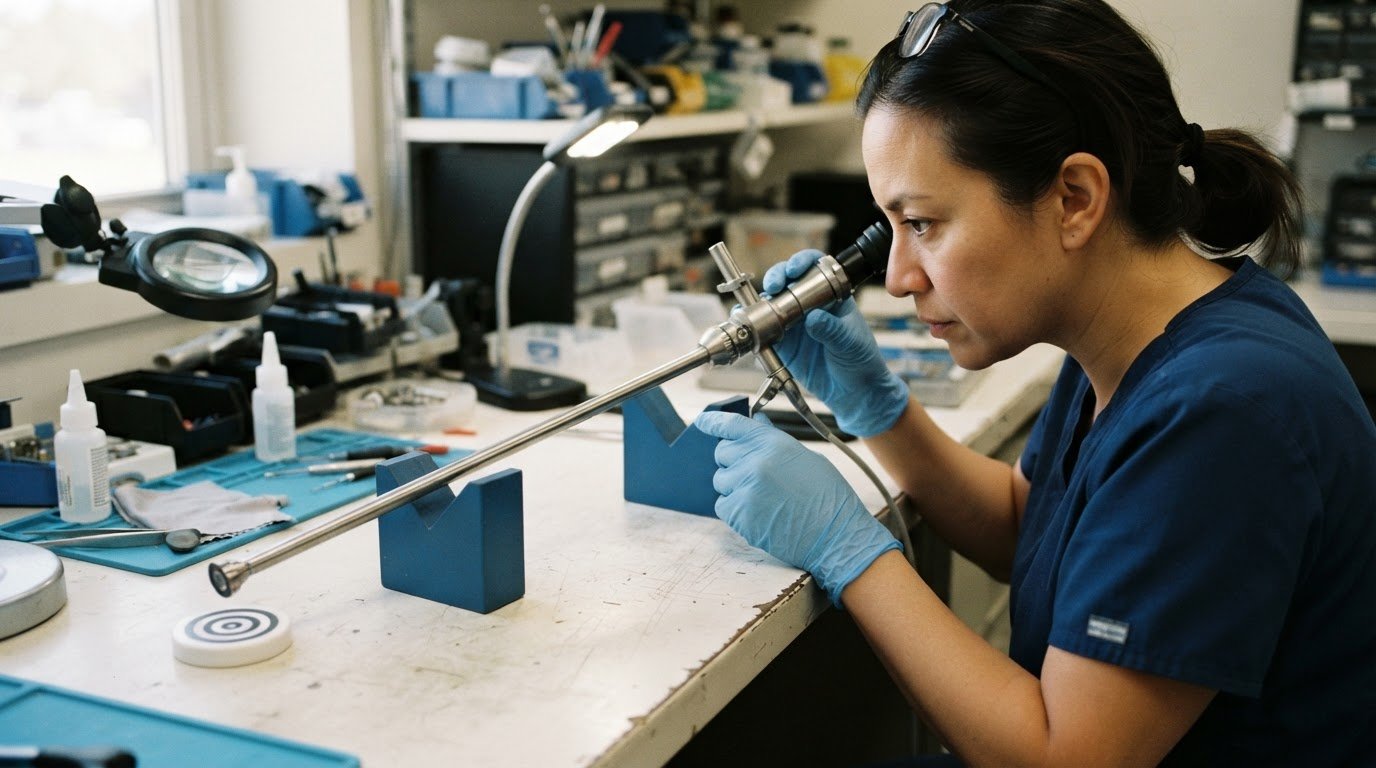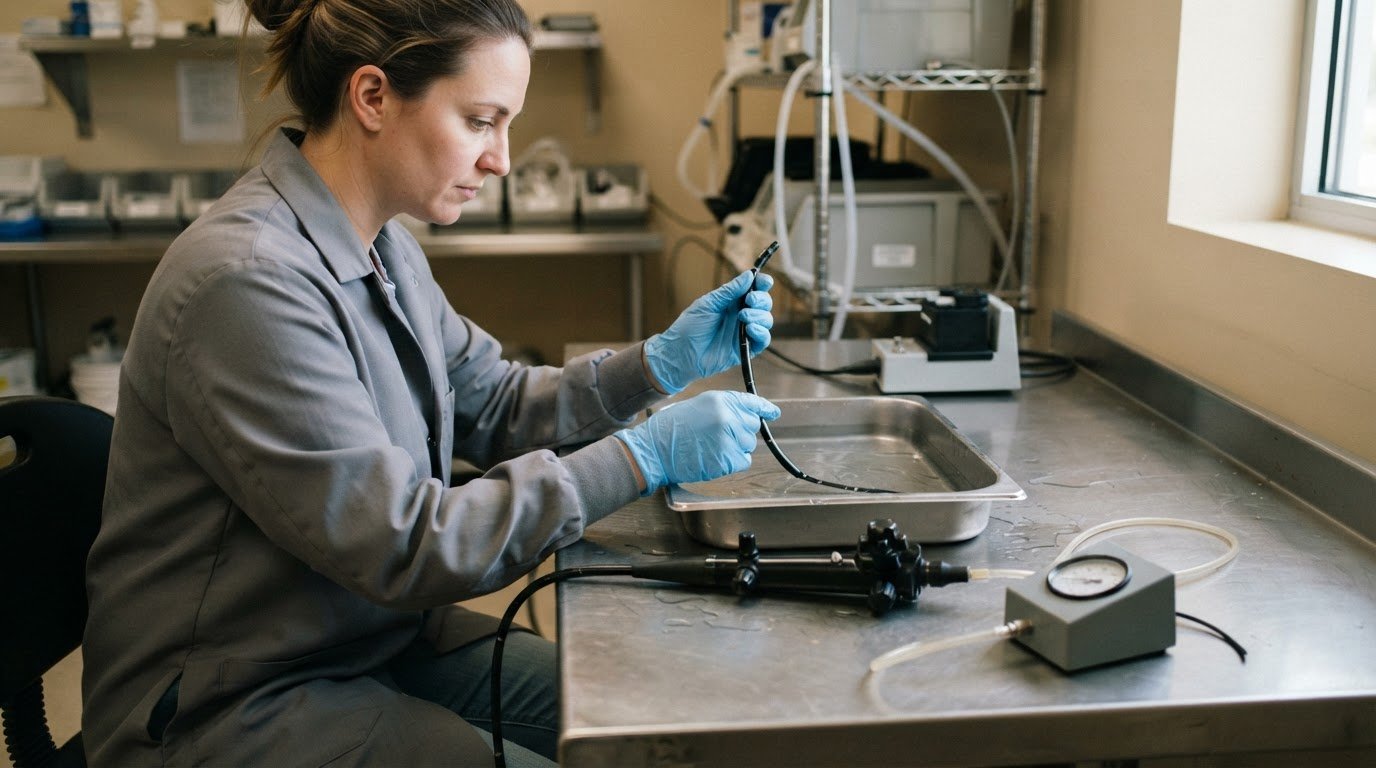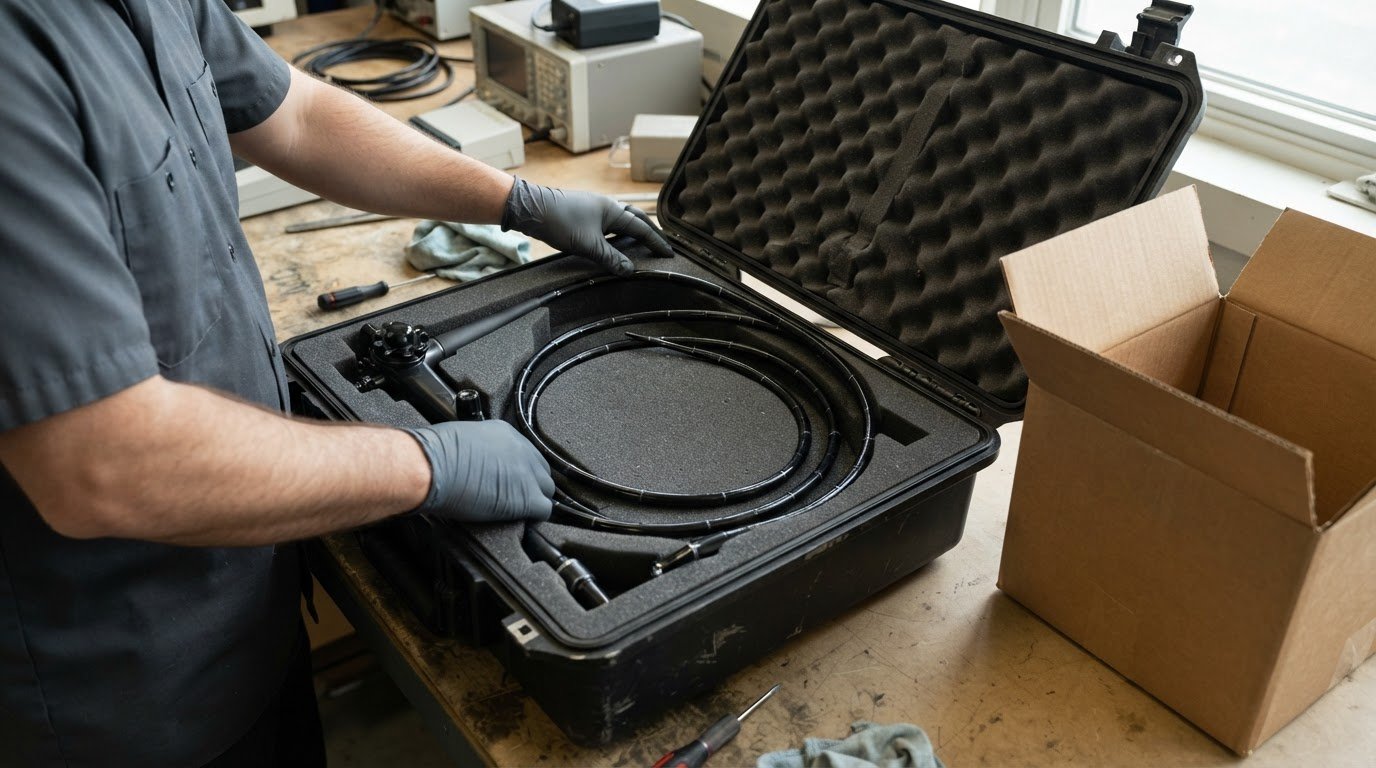

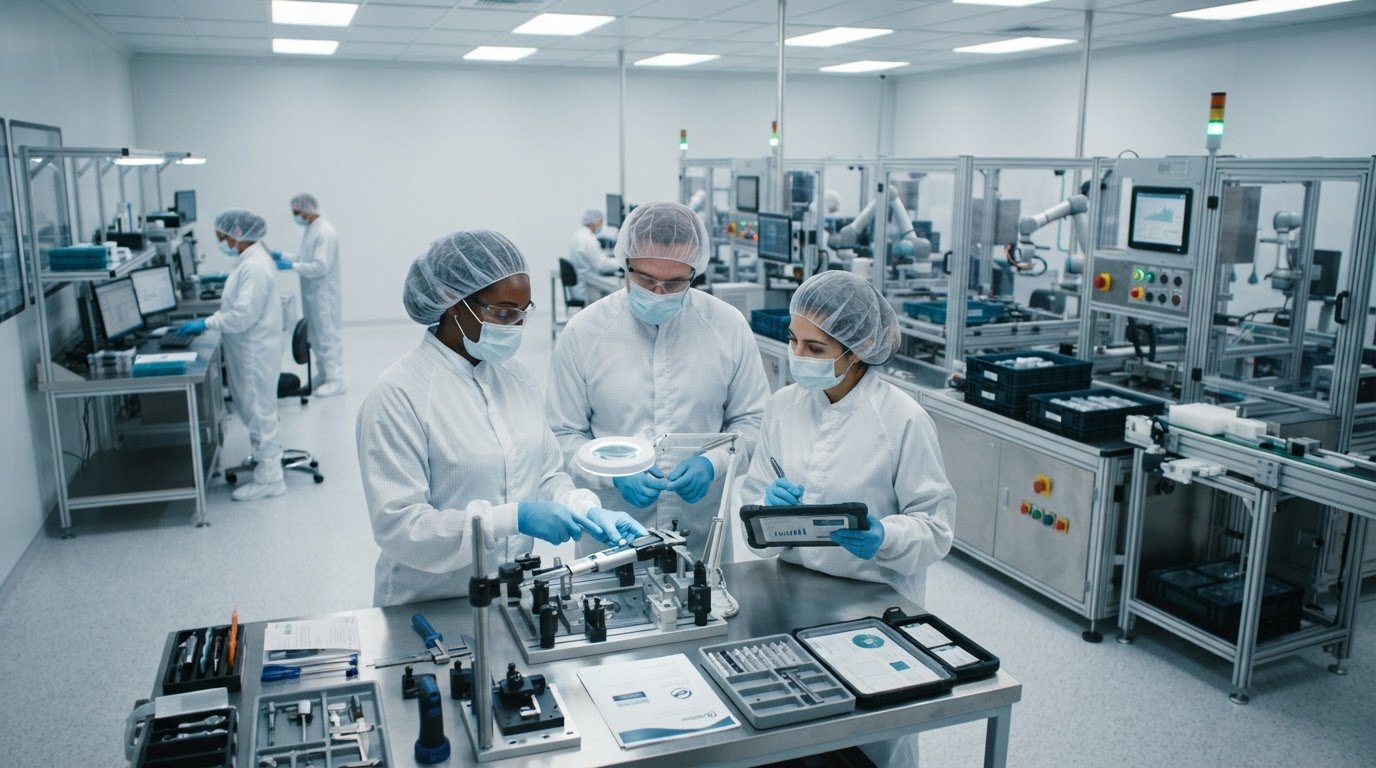
A successful pilot proves that a device can be built under pilot conditions. It does not prove that the process, suppliers, inspection methods, or assembly controls will remain repeatable as output rises. Scaling medical device production from pilot to volume requires more than adding capacity: each increase should be supported by verified evidence, not optimism.
Production changes can reveal weaknesses that a pilot run never exposed. Before raising output, teams need to know what to demonstrate, how to transfer process knowledge into controlled instructions, and how to maintain quality records as operations expand.
This article presents a readiness-gate framework for making those decisions. It explains how to establish evidence for process performance, supplier and inspection controls, and validated production changes; define monitoring and escalation criteria; and build a phased ramp plan. A connected CDMO approach can link engineering, process validation, assembly, and volume production. Capabilities such as IQ, OQ, and PQ, alongside real-time in-process measurement, can support disciplined scale-up.
Key Takeaways
- Use readiness gates to decide when production can increase. A successful pilot alone does not prove volume capability.
- Transfer the approved design and manufacturing knowledge into clear process steps, assigned ownership, and acceptance criteria.
- Build validation evidence around defined processes and intended operating conditions, with the project guiding what applies.
- Make scaling medical device production from pilot to volume measurable by tracking indicators such as yield, defects, cycle time, downtime, and inspection results.
- Connect engineering, manufacturing, inspection, and quality expertise to support needs ranging from cleanroom assembly to precision processing and device testing.
Why Medical Device Production Scale-Up Requires More Than a Successful Pilot
A pilot run can show that a device can be assembled and tested under limited conditions. Scale-up asks a different question: can the defined process produce conforming units repeatedly as demand rises, without relying on individual workarounds or undocumented knowledge? Scaling medical device production from pilot to volume is an evidence-led transition, not simply an increase in unit count.
The answer depends on the device and its manufacturing risks. A product with intricate components, sensitive assembly steps, or demanding inspection needs may require different controls from one with a simpler process. Intended demand matters too: assess the process, equipment, workforce, and suppliers against the production plan, rather than a universal definition of “high volume.” More units demonstrate higher output, not process maturity.
What does pilot-to-volume scale-up mean for a medical device?
A pilot is often designed to help teams learn. They refine work instructions, understand process behavior, and identify practical issues in a controlled run. Volume production requires those learnings to become a planned, repeatable operation with consistent outputs, traceable records, and capacity aligned to demand. The device’s intended use and classification help frame the context; the Medical Device overview provides a general introduction to these distinctions.
Production readiness means demonstrated repeatability across people, equipment, materials, and records. This definition keeps the decision focused on evidence from the whole system. A larger batch is not, by itself, proof that the condition has been met.
Why can a successful pilot still fail to predict volume performance?
Small runs can hide variation. Experienced operators may compensate for unclear instructions, adjust components by hand, or give a process extra attention that cannot be sustained at a higher production rate. At scale, equipment utilization rises, more operators may perform the same task, and supplier capacity or material consistency can become constraints. These are changes in operating conditions, not automatic evidence that the device design has failed.
Use early signals to trigger a controlled investigation. A shift in inspection results, recurring rework, longer cycle times, or interruptions in material supply can point to process, training, equipment, or supplier issues. Compare observations with defined acceptance criteria and documented process conditions. Identify the cause before deciding what action is appropriate. This helps prevent isolated deviations from being dismissed, while avoiding premature design changes when the cause lies elsewhere.
The focus here is operational transfer and ramp control. The practical question is whether teams can show that the approved process is understood, controlled, and capable of supporting the next planned increase. Establish readiness criteria before each increase, review the evidence at every gate, and assign clear ownership for unresolved issues. The following sections explain how to put those controls into practice.
How to Transfer a Medical Device Pilot into a Controlled Production Process
A production transfer turns an approved design and the knowledge gained during pilot runs into instructions a production team can execute consistently. It is a documented handoff, not just a folder of files. For scaling medical device production from pilot to volume, each critical step needs clear ownership, defined inputs and outputs, suitable equipment, and acceptance criteria that can be applied on the line.
Which records and instructions should move from pilot to production?
Assemble a controlled package that enables production staff to perform the work and quality teams to verify the result. Check that each item is current, approved, and consistent with the intended process. A practical package commonly includes:
- Approved design specifications, drawings, and the bill of materials, including applicable component revisions.
- Process flow and work instructions that identify step sequence, equipment, responsible roles, and required conditions.
- Inspection and test methods, acceptance criteria, and the records needed to document results.
- Traceability requirements for materials, components, in-process work, and finished devices, as applicable to the product.
- Approved supplier information and incoming inspection checks, plus packaging and sterilization steps where applicable.
Map each critical operation from input to output. For example, an assembly instruction should identify the incoming component or subassembly, the equipment and operator role, the completed output, and the criteria for acceptance. This mapping can expose a gap such as an inspection method recorded in engineering notes but not yet translated into a usable production instruction.
Production transfer is complete only when approved instructions and inspection methods are usable on the line. Confirm that operators can follow the released documents and that inspection personnel can apply the specified method and record results. This practical review tests whether the handoff works in the production environment, not just whether the documentation has been approved.
How should engineering teams control production changes?
Keep the approved design baseline distinct from proposed adjustments to components or processes. A change to a supplier, material, equipment setting, assembly sequence, or inspection method can affect other steps and records. Route proposals through the applicable change-control workflow so the rationale, impact, review, and disposition are documented before the revised method is used.
- Record the reason for the change and identify affected design or process documents.
- Assess potential effects on product risk, process controls, inspection, traceability, and downstream operations.
- Assign reviews to the relevant engineering, manufacturing, and quality owners.
- Define and document any required verification, then update approved instructions and records before implementation.
For complex assemblies or processes involving precision machining, laser processing, or cleanroom work, connecting engineering and manufacturing during transfer can help align technical intent with line-level instructions. Fong’s CDMO services bring development and manufacturing capabilities into the same production pathway. Teams planning a transfer can discuss production transfer requirements in the context of their device and process.
How Validation and Quality Evidence Support Medical Device Volume Production
Validation evidence helps establish whether a defined manufacturing process can achieve its intended results under specified operating conditions. During a volume ramp, it gives teams a basis for assessing process readiness and deciding whether controls are working as planned. The evidence should relate to the actual equipment, materials, methods, and process conditions in use, rather than serve as a generic approval record.
IQ, OQ, and PQ are commonly used qualification stages. Installation qualification checks that equipment and supporting systems are installed as intended. Operational qualification evaluates whether they operate within defined parameters. Performance qualification evaluates process performance under specified conditions. Applicability and scope depend on the process and project. Protocols should state the purpose, responsibilities, acceptance criteria, and records needed to evaluate results. For example, a process involving automated measurement may need evidence that the measurement system and operating conditions support the intended inspection method. Tailor validation plans to the process rather than copying them wholesale from another device or line.
How do IQ, OQ, and PQ relate to production readiness?
Qualification results support a ramp decision when teams review them against predetermined criteria and link them to the process they are intended to support. Document exceptions, assess their impact, and resolve or disposition them through applicable procedures before relying on the evidence. An ISO 13485 quality system provides a structure for controlled procedures and records. It does not, by itself, establish product-specific regulatory status or prove that every process is ready for increased output.
How do risk controls and CAPA support a stable ramp?
A process failure mode and effects analysis (PFMEA) can help teams identify how manufacturing steps might fail, evaluate potential effects, and prioritize controls. Its value lies in connecting each relevant risk to a prevention or detection control, an inspection or monitoring point where appropriate, and a documented response if results fall outside criteria. As ramp data accumulates, teams can assess whether actual deviations reveal gaps in the analysis or controls.
Record and investigate deviations under applicable procedures, with escalation assigned to responsible roles. Avoid informal fixes that change the process without review or leave no trace in the records. Corrective and preventive action (CAPA) should address the identified cause and include a defined way to assess effectiveness. That evidence helps determine whether the issue is contained, whether controls need revision, and whether the planned volume increase remains appropriate.
During scaling medical device production from pilot to volume, validation, risk management, and quality records should inform one connected decision: what has been demonstrated, what remains unresolved, and what evidence is needed before the next ramp step. For a broader view of quality and regulatory considerations, see the medical device manufacturing compliance guide. Product-specific regulatory obligations depend on the device and its applicable market requirements.
How to Ramp Medical Device Production Through Measured Volume Gates
A volume ramp is easier to control when output increases in planned stages, with a documented review before each new level. Define each gate before production begins: the evidence required to enter it, the measures reviewed during the run, who approves progression, and who owns escalation if a criterion is missed. Set stages and thresholds according to the device, process risks, and intended demand, rather than relying on a universal unit count or yield target.
Increase volume only when predefined quality and process criteria are met. This makes each step a decision supported by operating evidence, rather than a schedule-driven assumption. Scaling medical device production from pilot to volume also requires accounting for the resources needed to sustain performance.
Which signals should teams review before increasing output?
At each gate, compare current results with approved process parameters, acceptance criteria, and planned capacity. Review trends as well as individual exceptions: repeated rework or changing inspection results may warrant investigation even when separate lots meet acceptance criteria. No single indicator establishes readiness. Consider the combined picture across quality, production, and supply.
- Quality: Review acceptance results, nonconformances, defects, and rework by relevant process step or product characteristic.
- Process: Compare cycle time, downtime, and process observations with approved conditions and planned operating capacity.
- Supply: Assess material availability, incoming inspection results, and supplier performance against planned production requirements.
- People and equipment: Check staffing and training coverage, equipment availability, and whether inspection capacity can keep pace with output.
Choose indicators that connect to known risks and define how they will be reviewed. For example, a process with a critical inspection step needs evidence that the method and available inspection resources can support the proposed output. Stable production results are less informative if they depend on equipment availability or supplier performance that cannot sustain the next stage.
What should teams do when ramp data shows a deviation?
Respond through the approved quality procedure, not an informal adjustment. Contain or pause affected work as required, preserve relevant records, and investigate the deviation using documented evidence. Review process conditions, inspection findings, materials, equipment, and operator records as applicable. Do not change a setting or work instruction before assessing the cause and the potential impact of the change.
Progress only after authorized review and any required follow-up. Document the disposition, actions taken, and evidence needed to verify that the issue has been addressed. If criteria are not met, hold the gate and escalate to the assigned owner. If results support progression, record the decision and its basis. This creates a traceable ramp history and helps teams distinguish a contained exception from a recurring process signal.
Fong’s smart manufacturing lines use real-time monitoring and in-process measurement to support production control. Teams planning a measured ramp can discuss production scale-up requirements in relation to their process and readiness gates.
How a Full-Service CDMO Can Support Medical Device Production at Volume
A controlled ramp depends on more than production equipment. Engineering decisions, process validation, manufacturing execution, inspection, and quality records need to remain connected as a device moves from development into sustained production. A full-service CDMO can bring these functions into one project pathway, helping maintain continuity between the process developed by the team and the one operators use to build and inspect devices.
Integration works best when responsibilities are clear. The device owner and manufacturing team should align on document ownership, decision rights, communication paths, escalation routes, and the evidence required at each milestone. A shared project plan can connect engineering and process development with validation, capacity planning, production readiness, and ramp reviews. It should make dependencies visible, including when process changes require review before implementation.
Which manufacturing capabilities matter as a device moves to volume?
Select capabilities according to the device design and process requirements, not a generic checklist. Precision machining may support components with demanding geometric requirements; laser cutting, welding, soldering, or marking may suit particular component or assembly needs. Complex device assembly and Class 8 cleanroom assembly are relevant when the product and process call for those environments. Incorporate testing, packaging, and sterilization when they form part of the device program.
Production oversight also depends on how the process is monitored. Automated inspection, in-process testing, and measurement can provide structured observations at defined points. Smart manufacturing lines may combine real-time monitoring, robotic handling, and unmanned in-process measurement. Their value depends on selecting controls that fit the process, integrating them into work instructions, and reflecting them in quality records. They support oversight, but do not replace process validation or review of production evidence.
For a broader view of integrated engineering and manufacturing support, explore full-service medical device contract manufacturing. Connecting development, validation, cleanroom assembly, inspection, testing, and production within a coordinated program can help keep technical decisions visible across the manufacturing lifecycle.
What should an effective scale-up collaboration establish?
Start by documenting who owns each deliverable and decision. Agree on how design and process documents are reviewed, how issues are escalated, and how updates reach affected teams. Then align development, validation, capacity planning, and production milestones in one project plan, with review points tied to evidence rather than assumed readiness. This gives both teams a shared view of dependencies and unresolved risks as output increases.
In scaling medical device production from pilot to volume, integrated collaboration helps translate engineering intent into controlled production practice while keeping quality oversight connected to the ramp. Fong’s Engineering & Manufacturing supports medical device development and manufacturing across these lifecycle stages. Discuss your production scale-up requirements.
Plan the Next Production Step with Confidence
The move from pilot output to sustained production is an opportunity to align manufacturing plans with the device’s next stage of development. Set out the decisions your team needs to make, the evidence still required, and the roles responsible for each milestone. A focused discussion can help turn those priorities into a practical scale-up pathway tailored to your device and process.
Fong’s brings more than 40 years of medical manufacturing experience, supported by ISO 13485 quality systems, Class 8 cleanroom assembly capabilities, and smart manufacturing lines with real-time monitoring and automated in-process measurement. These capabilities can inform a production approach built around your program’s requirements. Discuss your medical device production scale-up requirements with the team and identify the next steps for scaling medical device production from pilot to volume. A disciplined plan gives your team a clear foundation for moving forward.
Frequently Asked Questions
Can pilot production use the same equipment as volume manufacturing?
Yes, if the equipment can support the planned throughput and operate within the process conditions established for the device. Confirm capacity under realistic scheduling, including changeovers, maintenance, and inspection demands. A pilot tool may produce acceptable units at low utilization but become a bottleneck under sustained use. If equipment, tooling, or operating conditions change, assess the impact on process performance and determine whether additional qualification or verification is appropriate.
How large should a medical device pilot run be before scaling?
There is no single pilot-run size that fits every device. Set the run scope according to process and product risks, the evidence needed to assess repeatability, and the variation expected across operators, materials, and equipment. For scaling medical device production from pilot to volume, a useful pilot should reveal more than whether units can be made. It should generate relevant process and inspection data to support a reasoned next-step decision.
Does increasing production volume automatically require a new FDA submission?
No, a higher unit count alone does not automatically mean a new FDA submission is required. The regulatory assessment depends on the device, its existing market pathway, and whether a change affects matters such as design, intended use, materials, or manufacturing. Document the change assessment and its rationale under applicable procedures, then evaluate relevant FDA requirements for that specific device. Do not assume that every production change has the same regulatory effect.
Can a production ramp be divided into multiple stages?
Yes. Teams can increase output in planned increments rather than moving directly from pilot conditions to the intended production rate. Increments might reflect a change in shift pattern, equipment utilization, or production schedule, provided the approach suits the process. Define what evidence will be reviewed after each increment and allow time to assess supply, staffing, and inspection workload. If a stage reveals a capacity constraint, adjust the next increase accordingly.
Should sterilization and packaging be included in scale-up planning?
Yes, when sterilization or packaging is part of the device program, plan for it as part of the production pathway. Consider how output changes affect packaging operations, sterilization capacity, handling, and the records needed to maintain traceability. A change in packaging materials or sterilization arrangements may also affect product or process assessments. Include the relevant teams and process steps early, so downstream operations are not treated as separate from manufacturing readiness.
How can supplier changes affect a pilot-to-volume production plan?
A supplier change can affect component consistency, incoming inspection, traceability, supply continuity, and downstream process performance. Even if a replacement component appears equivalent, its specifications, material characteristics, or production controls may differ. Record the proposed change, assess its effect on product and process risks, and follow applicable approval and verification procedures before using it in routine production. Include supplier capacity in the ramp plan, not just the quality of initial samples.