
Nearly 35% of endoscopes experience minor damage within the first 12 months of use, often leading to unplanned surgical delays and escalating operational costs. Understanding common endoscope damages and repair solutions is essential for maintaining a high-functioning endoscopy suite without the prohibitive expense of constant OEM replacements. You likely recognize that even a minor breach in the insertion tube or a subtle fluid ingress can compromise patient safety and disrupt entire clinical schedules.
This technical guide identifies critical failure points and demonstrates how precision engineering restores devices to original OEM specifications, ensuring your instruments meet rigorous FDA and CE requirements. We will examine the meticulous nuances of component restoration, from advanced laser welding to fiber-laser cutting. By leveraging CDMO-level expertise, your facility can lower the total cost of ownership and significantly extend the lifespan of expensive surgical inventory. The following analysis provides a structured roadmap for identifying mechanical vulnerabilities and implementing validated repair protocols that maintain the highest standards of clinical excellence and technical reliability.
Key Takeaways
- Identify common endoscope damages and repair solutions to prevent minor mechanical issues from escalating into catastrophic electronic failures.
- Understand how fluid ingress acts as the primary driver of system failure and why proactive seal validation is critical for long-term device stability.
- Discover the role of precision engineering and CDMO-level component replacement in restoring surgical instruments to original OEM specifications.
- Implement standardized handling and pre-cleaning protocols to minimize equipment downtime and lower the total cost of ownership for your facility.
- Evaluate the importance of ISO 13485 certified repair processes in maintaining rigorous compliance with FDA and CE safety requirements.
Common Endoscope Damages: Identifying Mechanical and Optical Failures
Identifying common endoscope damages and repair solutions begins with a meticulous assessment of the device’s physical and functional integrity. While many industry discussions prioritize flexible endoscopes, rigid surgical units also face significant structural risks. In rigid scopes, structural integrity loss in the shaft often manifests as subtle bending or torque damage that compromises optical alignment. Conversely, flexible scopes frequently exhibit distal tip damage, where scratches on the objective lens or cracked housing can lead to catastrophic fluid ingress. Research indicates that insertion tube damage is responsible for approximately 22% of failures, appearing as buckling, peeling, or “alligatoring” on the outer sheath. These physical defects don’t just affect handling; they create crevices that harbor bioburden, complicating sterilization and increasing patient risk.
Mechanical Stress and Structural Fatigue
The high-precision components within an endoscope are subject to cumulative fatigue from repetitive sterilization cycles. High-temperature autoclaving or aggressive chemical exposure alters polymer flexibility, making the outer sheath brittle and prone to cracking. Internally, the angulation system bears the brunt of mechanical wear. Angulation wires and pulleys experience stretching and fraying over time, resulting in a loss of tension or “play” in the control knobs. This degradation directly impacts the surgeon’s ability to navigate complex anatomical structures. For rigid instruments, the focus shifts to the stainless steel or specialized alloy shafts, which must maintain absolute straightness to protect the internal rod lenses from fracturing under lateral pressure.
Optical Path Obstructions
Visual clarity is the cornerstone of endoscopic procedures, yet the optical path is remarkably fragile. A comprehensive overview of endoscopes reveals the complexity of the fiber optic bundles used for light transmission. When these bundles are subjected to excessive bending, individual fibers break, appearing as black “pepper spots” in the field of view. Chemical exposure during reprocessing can also cause pitting on the objective lens, leading to image cloudiness or color distortion. Physical impacts, even minor drops, can misalign the CCD sensor or fracture rod lenses in rigid scopes. These optical failures require component-level intervention to restore the device to its original OEM performance standards. Understanding these vulnerabilities is the first step in implementing common endoscope damages and repair solutions that ensure surgical reliability and patient safety.
The Impact of Fluid Ingress and Seal Failure
Fluid ingress remains the most pervasive threat to instrument longevity, accounting for approximately 28% of all endoscope failures in the United States. Unlike superficial mechanical wear, moisture penetration targets the delicate internal architecture of the device, often leading to total system blackout. This catastrophic failure typically begins with the subtle degradation of O-rings and adhesive seals, which serve as the primary barriers between the external environment and sensitive electronic components. When these seals fail, the resulting internal corrosion of electrical contacts and image sensors transforms a manageable maintenance task into an expensive, major repair.
Mechanisms of Seal Degradation
The integrity of an endoscope’s sealing system is constantly challenged by the harsh environment of medical reprocessing. Adhesive seals and O-rings are subject to significant chemical stress from high-level disinfectants (HLD), which can cause polymers to become brittle or lose their elasticity over time. For steam-sterilizable scopes, thermal expansion during autoclave cycles creates differential pressure that can compromise even the most robust seals. Additionally, micro-cracks in laser welds, often invisible to the naked eye, provide a path for moisture penetration. Adhering to a rigorous endoscope reprocessing policy is essential to mitigate these chemical and thermal stressors before they lead to structural failure.
Consequences of Internal Moisture
Once moisture enters the internal cavity, the consequences are severe and often irreversible without component-level refurbishment. The presence of moisture creates several critical failure points:
- Electronic Failure: Short-circuiting of video processing components and CCD sensors leads to image flickering or total signal loss.
- Optical Degradation: Permanent fogging occurs as moisture evaporates and re-condenses on internal lens elements during use.
- Biohazard Risks: Trapped moisture within internal channels becomes a breeding ground for pathogens, significantly increasing cross-contamination risks.
This biological risk is a primary reason why regulatory bodies like the FDA are actively monitoring reprocessing controls as of August 2026. Proactive identification of common endoscope damages and repair solutions is the only way to avoid these catastrophic outcomes.
Effective management of these risks requires a proactive approach to leak testing. Standardized testing protocols, such as those defined in ANSI/AAMI ST91:2021, allow technicians to identify breaches before fluid reaches the electronics. Early detection can reduce repair costs from the $7,000 to $9,000 range for major fluid invasion down to minor seal replacements. If your facility is experiencing recurring moisture issues, it’s prudent to consult with technical experts who specialize in precision seal restoration and CDMO-level refurbishment.
Precision Repair Solutions: Restoring OEM Specifications
Effective restoration of surgical instruments requires a transition from basic maintenance to high-precision refabrication. While identifying common endoscope damages and repair solutions is the initial step, the actual repair must mirror the original manufacturing process to ensure clinical reliability. A comprehensive diagnostic evaluation is the foundation of this process. Implementing borescope inspections, for instance, has been shown to decrease the mean cost per repair from $4,426 to $2,337 by identifying internal defects before they escalate. High-resolution leak testing identifies even the most minute breaches in the device’s exterior, allowing technicians to pinpoint the exact location of seal failure before any internal components are compromised.
Component-level replacement is where CDMO-level engineering becomes indispensable. Unlike standard repairs that may use generic parts, professional refurbishment utilizes micro-precision components designed to meet or exceed original equipment manufacturer (OEM) standards. This level of detail is critical for complex assemblies such as CCD sensors and angulation systems, where a fraction of a millimeter can affect the entire device’s functionality. By integrating these high-standard parts, facilities can achieve a lower total cost of ownership while maintaining the performance levels required for high-stakes surgical procedures.
Advanced Component Integration
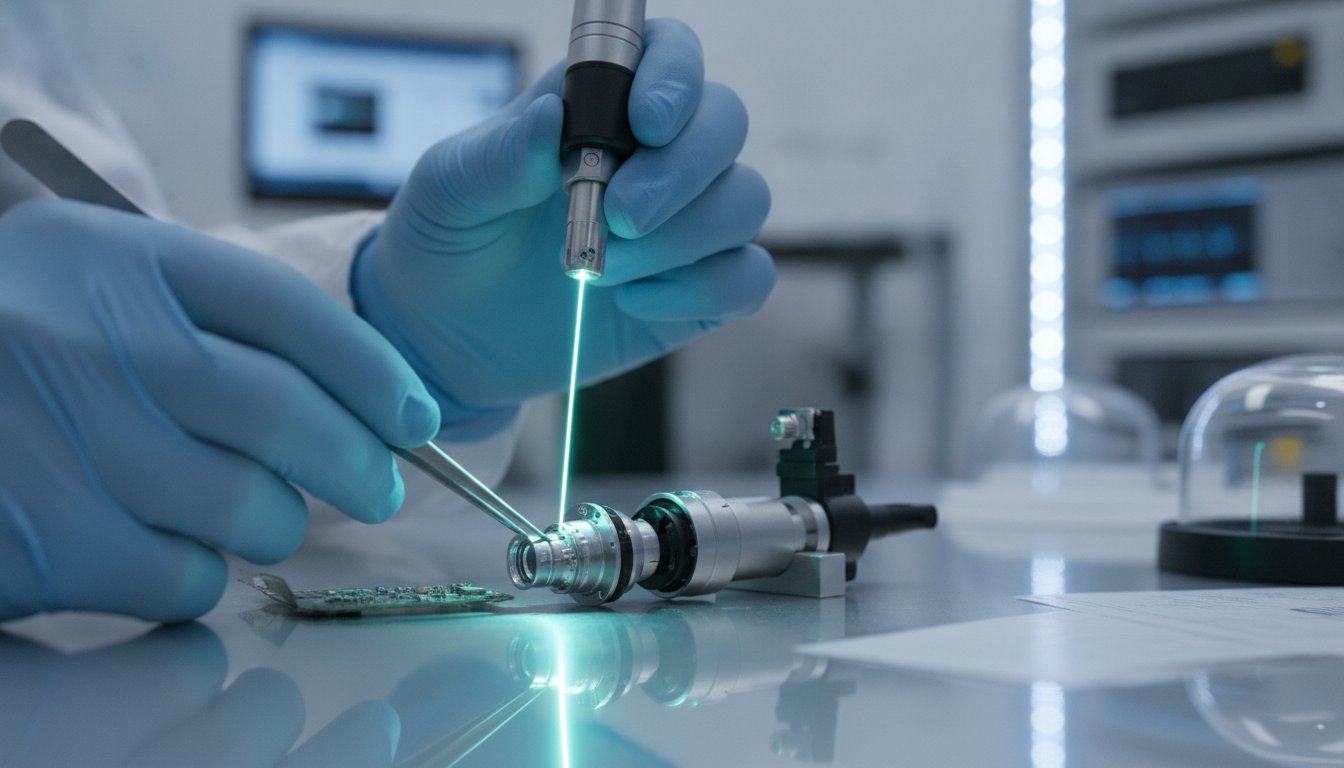
Restoring internal mechanisms involves the integration of high-grade fiber optic bundles to ensure optimal light transmission and image clarity. Precision is maintained through 5-axis laser welding technology, which allows for the delicate assembly of micro-components without compromising the structural integrity of the distal tip. Hermetic sealing refers to the creation of an airtight, impermeable barrier that protects internal electronics from fluid ingress and atmospheric contaminants. This specialized sealing process is vital for ensuring the longevity of the device, particularly when it’s subjected to the rigorous pressures of high-level disinfection and sterilization cycles.
Validation and Regulatory Compliance
Every repair undergoes a rigorous validation process to ensure it meets global safety standards, including FDA 510(k) and CE-mark requirements. Operating within an ISO 13485 certified quality management system, such as the one at the Irvine, CA center, guarantees that every step of the refurbishment is documented and verified. Post-repair protocols include extensive leak testing and optical clarity verification to confirm that the device performs according to its original specifications. To ensure long-term traceability and autoclave stability, technicians use ultrashort-pulse laser marking to apply permanent, high-contrast identifiers that don’t degrade over time. This methodical approach ensures that restored endoscopes aren’t just functional but are technically equivalent to new units, providing a robust answer to common endoscope damages and repair solutions.
Preventive Maintenance: Strategies to Minimize Equipment Downtime
Minimizing equipment downtime requires a shift from reactive maintenance to a disciplined lifecycle management strategy. Establishing standardized handling and transport protocols is the first line of defense against physical impact damage. Staff should be trained on the fundamentals of medical device design for manufacturability to better understand the technical limits and structural vulnerabilities of these complex instruments. This technical training helps personnel recognize how excessive force or improper coiling during transport leads to the structural fatigue discussed earlier. Rigorous pre-cleaning and leak testing must be performed after every procedure to ensure that minor seal compromises don’t escalate into catastrophic failures.
Reprocessing Optimization
Optimizing the reprocessing cycle involves more than just following a checklist; it’s a matter of material preservation. Selecting disinfectants that are chemically compatible with existing polymers is critical for maintaining seal integrity over hundreds of cycles. Monitoring sterilization parameters ensures the device doesn’t exceed its thermal stress threshold, which can cause micro-fractures in laser welds. Proper storage is equally vital. Hanging scopes vertically in well-ventilated cabinets prevents insertion tube kinking and ensures thorough drying, which significantly reduces the risk of internal moisture buildup.
The Role of Technical Refurbishment
Moving beyond a reactive mentality allows facilities to treat endoscope repair and refurbishment as a strategic cost-saving tool. Tracking device usage cycles, which typically require servicing every 120 to 180 procedures, enables technicians to predict component failure before it occurs. Scheduled professional inspections identify micro-damage that is often invisible to clinical staff, such as early-stage pitting on the objective lens or subtle fraying of angulation wires. This proactive approach is a proven method for managing common endoscope damages and repair solutions, ultimately lowering the total cost of ownership and extending instrument life.
If your facility is looking to implement a more robust maintenance schedule, contact our engineering team to discuss a tailored technical refurbishment program.
Fong’s Engineering: Global CDMO Expertise in Endoscope Refurbishment
Fong’s Engineering leverages over 40 years of medical device engineering expertise to address the technical complexities of common endoscope damages and repair solutions. While many service providers limit their focus to flexible units, our ISO 13485 certified repair center in Irvine, CA, provides a comprehensive national hub for both rigid and flexible instruments. This includes high-precision restoration for Gastroscopes, Ureteroscopes, and Cystoscopes. Our facility operates as a sophisticated extension of our CDMO capabilities, ensuring that every refurbishment project adheres to original OEM specifications. This institutional expertise allows us to transform damaged equipment into validated surgical tools that meet the highest regulatory standards.
Technical Leadership in Medical Manufacturing
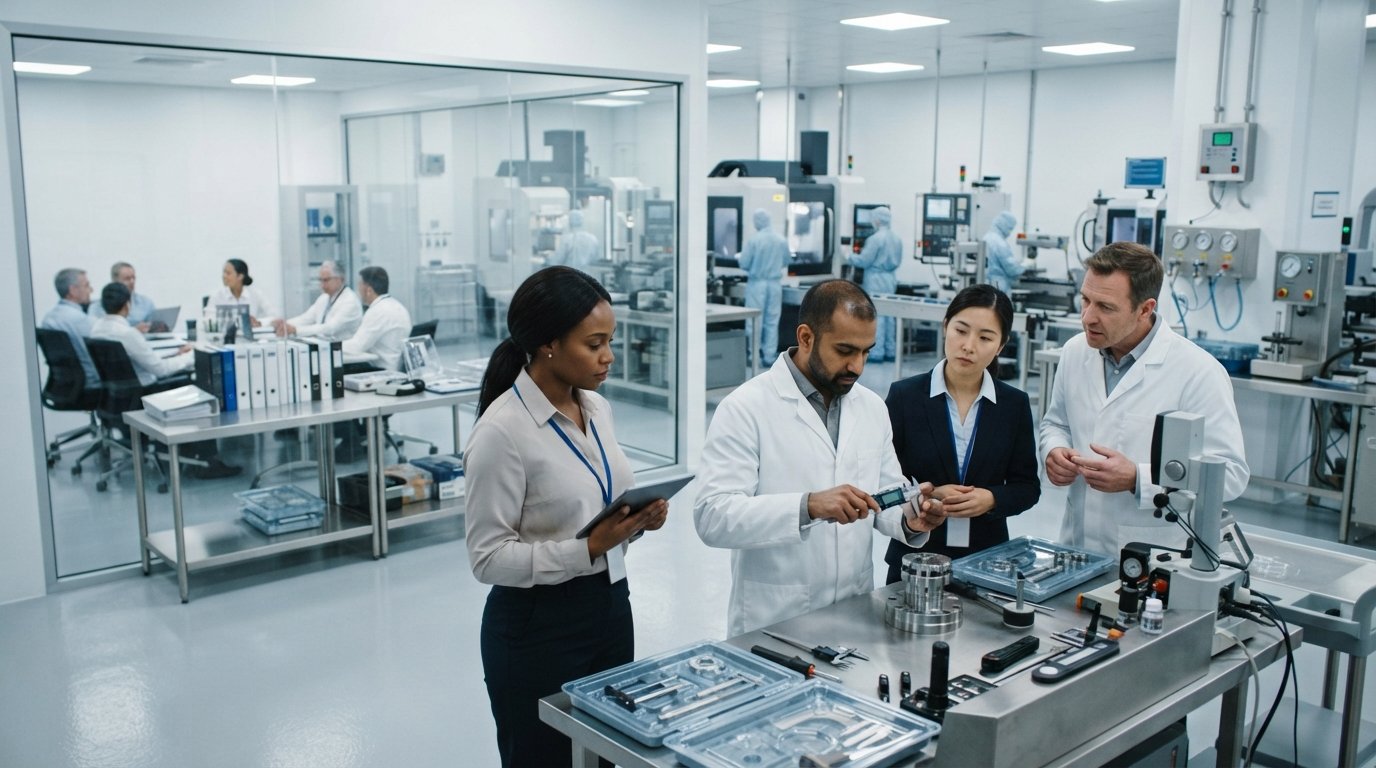
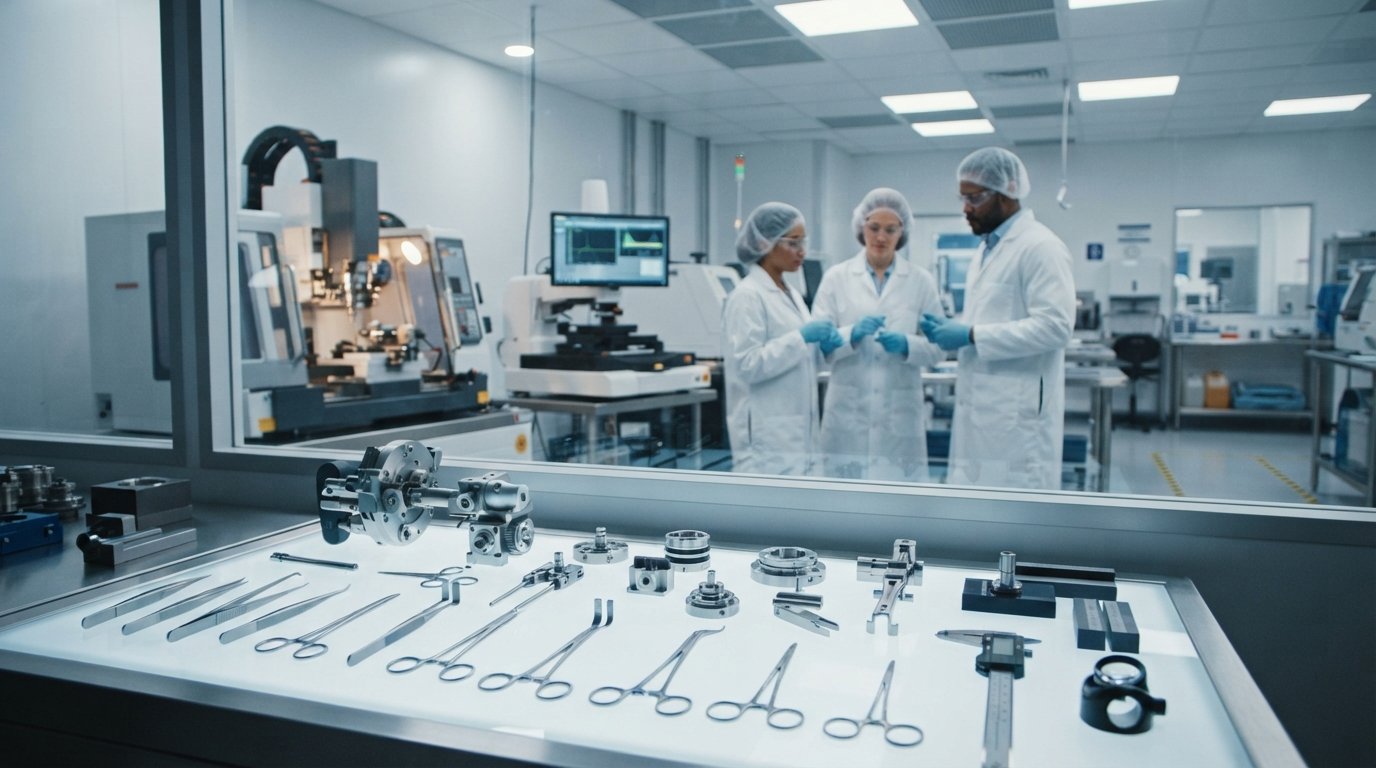
We integrate smart manufacturing processes and robotic loading to achieve sub-micron precision during component fabrication. Our in-house vertical integration includes specialized finishing techniques like electropolishing and Diamond-Like Carbon (DLC) coating, which enhance the durability and biocompatibility of surgical tools. Sensitive optical assemblies are handled within a Class 8 (100k) cleanroom environment to prevent particulate contamination. This level of environmental control is essential for maintaining the optical clarity and sensor alignment discussed in previous sections. By applying these advanced manufacturing techniques, we ensure that every lens and CCD sensor replacement meets the rigorous performance requirements expected in modern operating rooms.
Partnering for Patient Care
Our commitment to technical excellence aligns with the FSP Group’s vision to be the global partner of choice for medical technology providers. Quality isn’t just a promise; it’s a measurable outcome verified in our dedicated QA labs. We perform rigorous testing on every restored device to validate performance against the highest global standards, ensuring that refurbished units are technically equivalent to new instruments. By combining institutional trust with cutting-edge engineering, we provide a reliable alternative to high-cost OEM replacements. For a technical consultation regarding your facility’s specific requirements, contact Sam.lim@fongspl.com.sg to discuss how our common endoscope damages and repair solutions can optimize your instrument lifecycle and reduce total cost of ownership.
Optimizing Surgical Instrument Longevity Through Precision Engineering
Managing a high-performance endoscopy suite requires a deep understanding of the mechanical and optical vulnerabilities inherent in these complex devices. By identifying the early signs of seal degradation, facilities can prevent the catastrophic fluid ingress that leads to system failure. Proactive maintenance doesn’t just protect patient safety. It significantly reduces equipment downtime and lowers the total cost of ownership. Understanding common endoscope damages and repair solutions is the first step toward transforming your instrument lifecycle management into a strategic engineering program.
With over 40 years of precision engineering expertise, Fong’s Engineering provides the technical mastery required to restore instruments to original OEM specifications. Our ISO 13485 certified facility in Irvine, California, serves as a dedicated repair center for healthcare providers nationwide. We offer CDMO-level quality for both rigid and flexible scopes. We invite you to consult with our technical experts on endoscope refurbishment to discover how our advanced laser welding can extend the life of your surgical inventory. Professional refurbishment ensures your devices remain reliable assets for years to come.
Frequently Asked Questions
What are the most common signs that an endoscope needs repair?
Visible indicators of damage often include image cloudiness, “pepper spots” caused by broken fiber optic bundles, and physical degradation of the insertion tube such as buckling or “alligatoring.” Functional signs include a loss of angulation tension or sticking biopsy valves that impede surgical navigation. Identifying these common endoscope damages and repair solutions early prevents minor mechanical wear from escalating into catastrophic electronic failure or fluid invasion during clinical procedures.
How does fluid ingress affect endoscope performance and safety?
Fluid ingress is the primary cause of catastrophic failure, targeting the delicate internal electronics and image sensors. Once moisture penetrates the internal cavity, it causes short-circuiting, permanent lens fogging, and corrosion of electrical contacts. Beyond technical failure, trapped moisture creates a significant biohazard risk, harboring pathogens that increase the likelihood of patient cross-contamination. Proactive seal validation is the only reliable method to mitigate these high-stakes safety risks.
Can third-party refurbishment meet original OEM specifications?
Professional refurbishment can meet or exceed original OEM specifications when performed by a facility with CDMO-level engineering capabilities. Utilizing micro-precision components and advanced 5-axis laser welding ensures that the restored device maintains its structural and functional integrity. This process involves rigorous validation within an ISO 13485 certified quality management system, providing a technically equivalent alternative to expensive replacement units while maintaining full compliance with FDA and CE requirements.
What is the typical turnaround time for professional endoscope repair?
Turnaround times vary based on the complexity of the restoration required for common endoscope damages and repair solutions. Minor repairs, such as seal replacements or objective lens polishing, are typically completed faster than major overhauls involving CCD sensor replacement or complete insertion tube refurbishment. A dedicated national repair center optimizes logistics to minimize equipment downtime, ensuring that surgical schedules remain undisrupted while maintaining the meticulous standards required for medical-grade technical validation.
How do ISO 13485 standards apply to the refurbishment process?
ISO 13485 serves as the foundational quality management system that governs every stage of the refurbishment lifecycle. It mandates strict adherence to documented processes, including IQ/OQ/PQ validation frameworks and comprehensive risk management. This certification ensures that every repaired device undergoes rigorous QA lab testing and optical clarity verification. For healthcare providers, this standard provides institutional trust that the refurbished instrument meets the highest global safety and performance benchmarks.
What are the benefits of laser welding in endoscope repair?
Advanced laser welding provides the precision necessary to create hermetic seals that are both corrosion-resistant and autoclave-stable. Unlike traditional adhesive methods, laser welding produces high-strength joints that withstand the repetitive thermal and chemical stress of high-level disinfection. This technology is essential for the delicate assembly of micro-components at the distal tip, ensuring that internal electronics remain protected from moisture even after hundreds of intensive reprocessing cycles.
Is it more cost-effective to repair or replace a damaged endoscope?
Technical refurbishment is significantly more cost-effective than total replacement, particularly for high-value flexible endoscopes. Professional repair solutions allow facilities to extend the lifespan of their existing inventory by addressing mechanical and optical failures at the component level. By moving from a “break-fix” model to a proactive refurbishment cycle, endoscopy suites can lower their total cost of ownership while ensuring their instruments perform to original technical specifications.
How often should endoscopes undergo professional technical inspection?
Industry data suggests that endoscopes should undergo professional technical inspection every 120 to 180 procedures to identify micro-damage before it leads to system failure. Tracking usage cycles allows technicians to predict component fatigue in angulation wires and seals. Regular inspections by a dedicated engineering team reduce the frequency of major repairs and unplanned downtime, ensuring that each instrument remains a reliable asset within the high-demand surgical environment.