When accidental damage accounts for nearly 40% of all rigid endoscope repair costs, the decision to replace a damaged device often feels like a forced necessity rather than a strategic choice. Many surgical facilities struggle with the rising financial burden of OEM replacements, the logistical strain of equipment downtime, and the uncertainty of third party quality. Utilizing professional rigid endoscope repair services offers a path to restore these precision instruments without compromising on clinical outcomes. It’s a matter of technical mastery and disciplined engineering rather than a temporary fix.
You likely recognize that maintaining surgical precision is non-negotiable and that every minute of downtime affects patient care schedules. This guide explains the technical rigour behind professional restoration, from complex optical alignment to rigorous regulatory validation. We’ll examine how adherence to the FDA’s 2026 Quality Management System Regulation (QMSR) and ISO 13485:2016 standards ensures your equipment returns to original performance levels, extends your equipment lifespan, and provides the documentation necessary for audit compliance.
Key Takeaways
- Understand the technical distinction between minor cosmetic adjustments and comprehensive optical system rebuilds to better manage equipment lifecycles.
- Learn how ISO 13485 certification and adherence to the 2026 FDA Quality Management System Regulation (QMSR) ensure that repaired scopes meet original safety and performance standards.
- Discover how professional rigid endoscope repair services utilize advanced diagnostic benchmarking and leak testing to restore surgical precision.
- Identify specific preventative maintenance protocols, such as the use of enzymatic cleaners, that reduce bioburden and prevent costly equipment failures.
- Evaluate the advantages of partnering with a global CDMO for scalable refurbishment solutions that leverage specialized manufacturing expertise across international hubs.
Understanding Rigid Endoscope Repair Services: Restoring Precision to Surgical Instruments
Rigid endoscope repair services involve the technical restoration of both the optical and structural components of a surgical Endoscope. This process isn’t merely about fixing a broken tool; it’s about returning a complex optical system to its original performance specifications through meticulous engineering. There’s a significant distinction between minor cosmetic repairs, such as polishing a scratched eyepiece, and a complete optical system rebuild. A rebuild requires the precise realignment of internal rod lenses and the replacement of distal windows to ensure the image remains sharp across the entire field of view.
High quality endoscope repair and refurbishment is critical for maintaining diagnostic accuracy. If internal lenses are misaligned by even a fraction of a millimeter, the resulting image distortion can compromise a surgeon’s ability to identify pathology. From a financial perspective, choosing refurbishment is a strategic move. Repairing a device typically costs 30% to 70% less than purchasing a new one. When you consider the cost of endoscope repair vs replacement, the economic advantage of extending equipment lifespan through professional services is evident. This approach allows healthcare facilities to maintain high standards of care while managing capital expenditure effectively.
Common Failure Points in Rigid Endoscopy
Precision instruments are susceptible to several technical failures that require specialized intervention. Research indicates that accidental damage accounts for nearly 40% of all repair costs. Impact damage to distal lenses and objective windows is frequent; it often occurs during handling or the sterilization process. Fluid invasion is another critical issue, usually caused by compromised hermetic seals or worn gaskets that allow moisture to enter the optical cavity. Additionally, fiber optic degradation leads to poor light transmission, which diminishes the clarity of the surgical field and forces the light source to work at higher intensities.
The Impact of Scope Performance on Patient Outcomes
The Technical Workflow: A Step-by-Step Guide to Rigid Endoscope Refurbishment
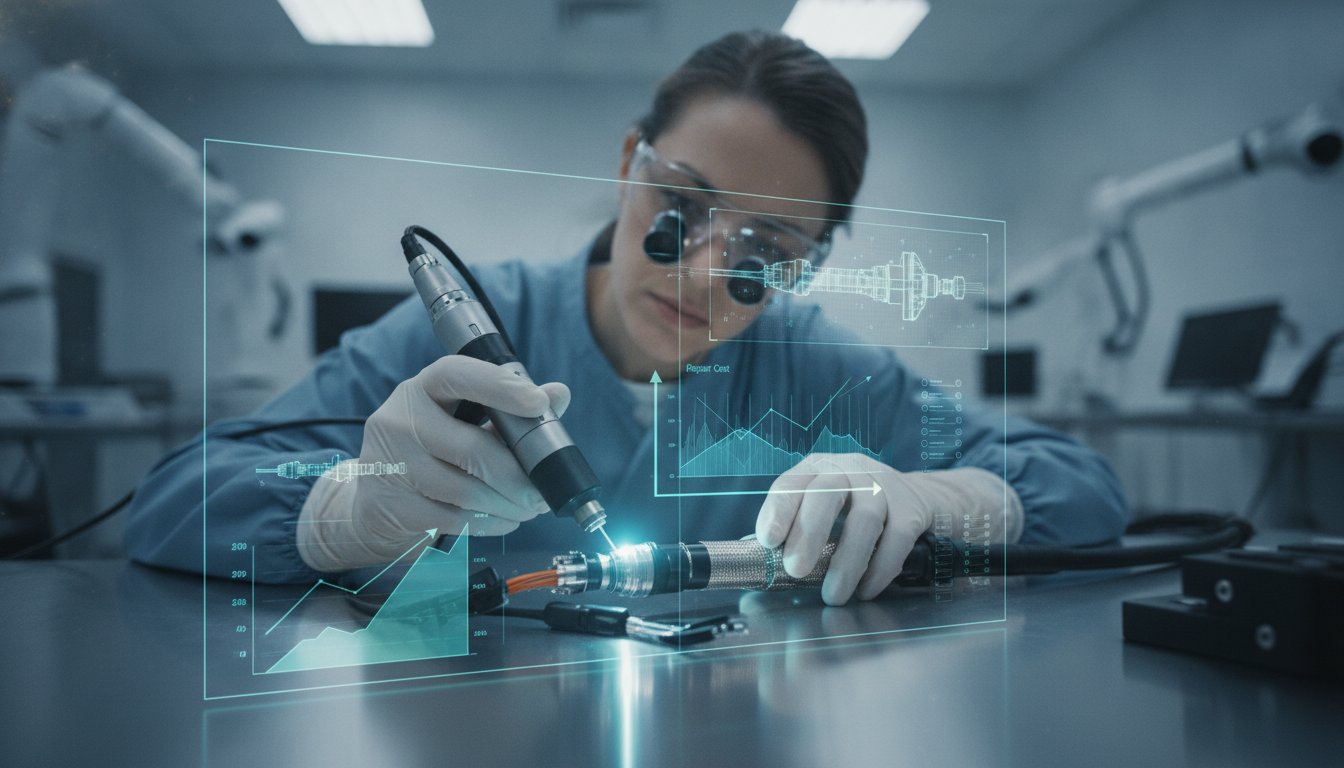
Professional rigid endoscope repair services follow a disciplined, manufacturing-grade workflow that mirrors the original assembly process. Precision is the baseline. The process begins with a comprehensive diagnostic assessment that benchmarks the current state of the instrument against its original manufacturing specifications. Technicians perform rigorous leak testing and optical clarity evaluations to identify failures that aren’t visible to the naked eye. Adhering to industry standards for endoscope processing during this phase ensures that every subsequent step addresses the root cause of degradation rather than just the symptoms.
Once diagnostics are complete, the disassembly phase requires specialized fixtures to remove the outer stainless steel sheath without damaging the internal rod lens system. This is a delicate operation where even a minor misalignment can lead to catastrophic lens failure. Component replacement follows, where technicians source medical-grade lenses and fiber optic bundles that match the original OEM refractive index and light transmission properties. The reassembly phase culminates in hermetic sealing, often utilizing advanced laser welding technologies to ensure the device can withstand the high-pressure environment of repeated autoclave cycles.
Optical System Alignment and Lens Replacement
Restoring the optical chain is perhaps the most demanding aspect of the refurbishment cycle. Technicians must achieve exact rod lens spacing to maintain the intended field of view and focal depth. Replacing a damaged objective lens is often necessary to restore original resolution and color fidelity, which directly impacts a surgeon’s ability to distinguish tissue types. Every internal optical surface is cleaned and polished in a controlled environment to eliminate the risk of internal fogging, a common issue caused by microscopic debris or moisture trapped during substandard repairs.
Structural Integrity: Sheath and Distal Tip Restoration
The structural components of the scope are as vital as its optics. Technicians straighten or replace bent stainless steel sheaths to ensure the instrument passes smoothly through trocars. A critical engineering step involves laser welding the distal tip; this high-precision bond prevents lens detachment during active surgery. To ensure long-term traceability and compliance, ultrashort-pulse laser technology is used to apply corrosion-resistant markings. This method creates high-contrast identifiers without compromising the passivated surface of the steel. If you are managing a fleet of aging instruments, you may wish to discuss your refurbishment requirements with a technical expert to ensure your inventory remains compliant and operational.
Validation and Compliance: Ensuring Repaired Scopes Meet OEM Standards
Validation serves as the final, critical gate in the refurbishment lifecycle. It’s the process that transforms a functional repair into a compliant medical instrument. For healthcare providers, the primary concern with rigid endoscope repair services is often whether the third-party restoration truly meets original equipment manufacturer (OEM) standards. This assurance is provided through a rigorous adherence to medical device manufacturing compliance and the international ISO 13485:2016 standard. With the FDA’s Quality Management System Regulation (QMSR) becoming effective on February 2, 2026, the integration of ISO 13485 into official regulatory requirements has made standardized, documented workflows more essential than ever for maintaining patient safety and instrument reliability.
Adhering to ISO 13485 and OEM Specifications
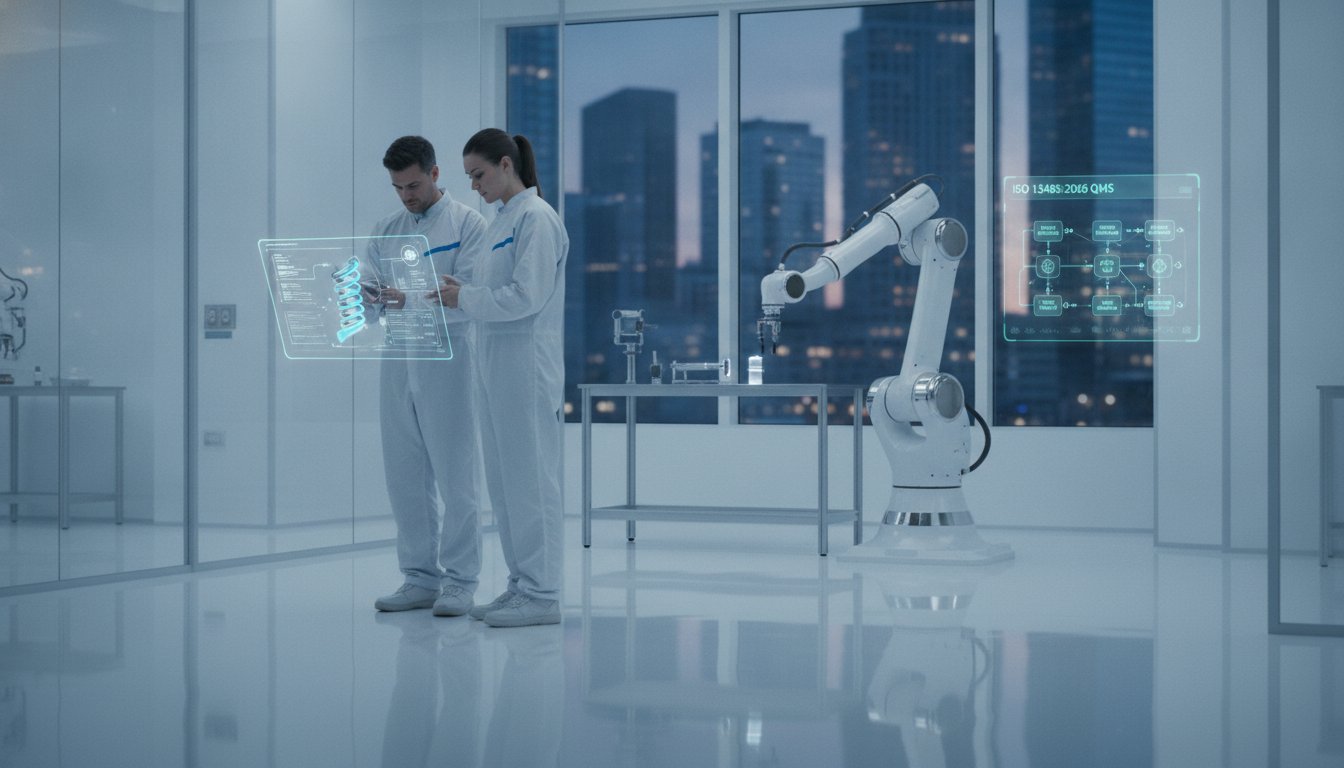
Standardization begins with the traceability of every component used during the restoration. A CDMO-level approach ensures that replacement lenses and fiber bundles aren’t just “compatible” but meet exact material specifications for refractive index and thermal expansion. Every stage of the repair process is governed by strict Standard Operating Procedures (SOPs), which dictate everything from the torque applied to the sheath to the specific adhesive curing times. To prevent microscopic particulate contamination, assembly must occur within a Class 8 cleanroom environment. This level of environmental control is vital; even a single dust speck on an internal rod lens can create a permanent visual artifact that compromises surgical clarity.
Advanced Testing: Leakage, Image Quality, and Autoclave Stability
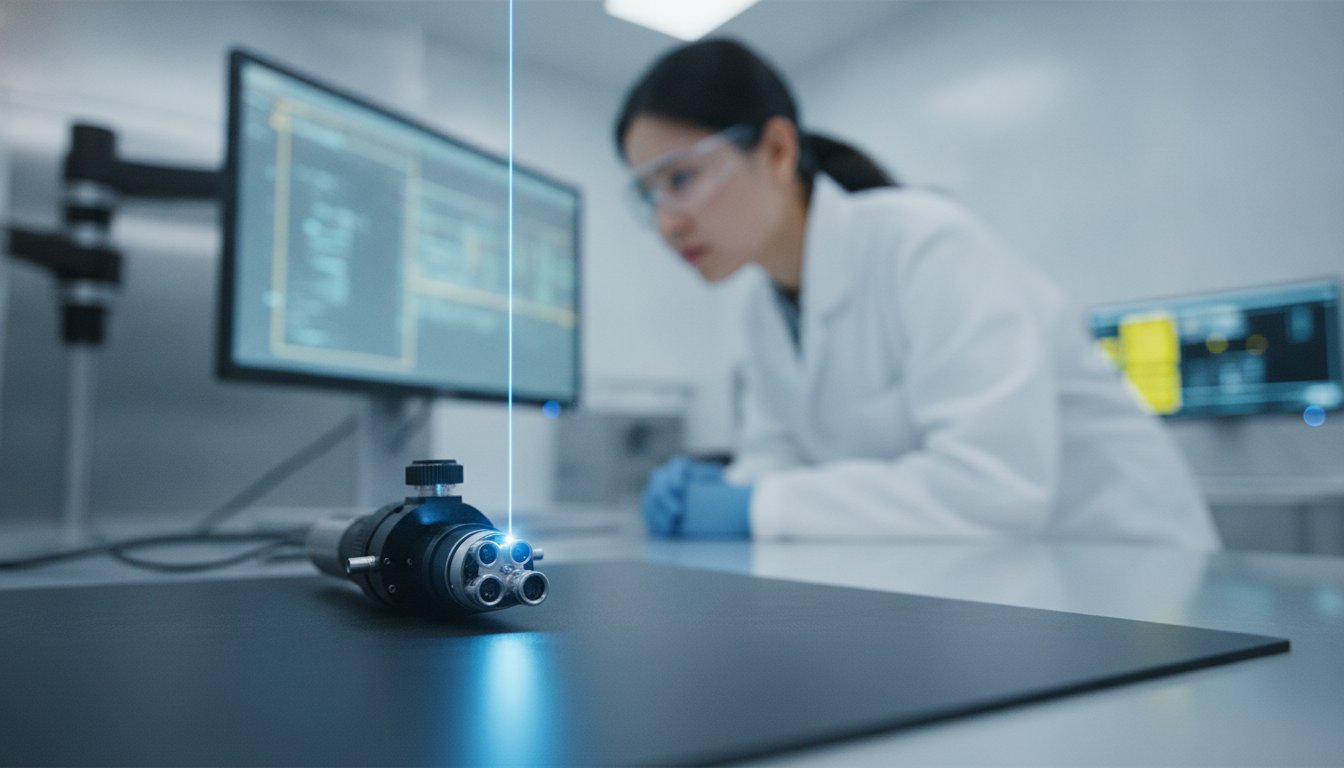
Post-repair validation requires more than a subjective visual check. Technicians utilize post-repair pressure testing to guarantee that hermetic seals will hold during the aggressive environment of high-temperature sterilization. Image quality is verified using calibrated optical targets to measure resolution and contrast levels, ensuring the scope performs at its peak. Contrast and color fidelity must remain consistent across the entire field of view to avoid vignetting or edge distortion. Finally, validation of autoclave stability ensures that the repair will withstand the high-turnover environment of modern surgical suites.
Comprehensive documentation completes the compliance cycle. Hospitals require an audit-ready equipment trail that details the technical work performed, the parts replaced, and the results of all validation tests. This documentation is essential for regulatory audits and provides the administrative confidence that the rigid endoscope repair services performed have restored the device to a state of clinical excellence. By maintaining these records, facilities can demonstrate a proactive approach to equipment lifecycle management and patient risk mitigation.
Preventative Maintenance: How to Reduce the Frequency of Rigid Endoscope Repairs
While professional rigid endoscope repair services are vital for restoring instruments to OEM performance, a rigorous preventative maintenance strategy is the most effective method for managing lifecycle costs. Accidental damage, which accounts for nearly 40% of all repair expenditures, is often the result of minor lapses in handling protocols. Implementing a standardized inspection routine allows facilities to identify microscopic defects before they escalate into catastrophic failures. This proactive approach doesn’t just save money; it ensures that every instrument in the surgical rotation is consistently reliable.
The use of enzymatic cleaners is a critical technical requirement in this process. These solutions break down organic debris that can otherwise become baked onto the optical surfaces during the autoclave process, leading to permanent staining or bioburden build-up. It’s also essential to train surgical staff on the inherent fragility of the rod lens system. Unlike flexible scopes, rigid endoscopes contain a series of glass cylinders that are highly susceptible to mechanical shock. A single drop or a sharp impact against a surgical table can fracture the internal optics without showing any visible external damage to the sheath.
Best Practices for Handling and Sterilisation
- Avoid stacking scopes: The weight of multiple instruments often results in bent sheaths that impede the passage of surgical tools and misalign internal lenses.
- Verify chemical compatibility: Ensure that your facility’s chemical sterilants don’t degrade the proprietary adhesives and gaskets used to maintain the hermetic seal.
- Use dedicated trays: Utilizing rigid scope trays equipped with silicone padding isolates the instrument from vibrations and mechanical shock during transport to the sterile processing department.
- Professional Training: To ensure your staff is proficient in the latest handling and sterilization standards, check out Mbawine Consultant Services for specialized certification preparation.
Identifying Early Warning Signs of Scope Degradation
Early detection of instrument wear can prevent the need for a complete optical rebuild. Technicians and surgical staff should look for “peppering,” which appears as small dark spots in the field of view. This usually indicates broken fiber optic strands, which reduces light intensity and clarity. Cloudy or hazy images are another red flag; they often signal a breach in the hermetic seal that has allowed moisture to infiltrate the optical cavity. Finally, always check for distal tip burs or rough edges. These defects can snag surgical drapes or cause tissue trauma during a procedure. If your facility is experiencing a high frequency of equipment failure, you can request a technical consultation to evaluate your handling and sterilization protocols.
Partnering with a Global CDMO for Advanced Endoscope Restoration
Selecting a long-term partner for rigid endoscope repair services involves moving beyond the immediate need for a quick fix. It requires a transition toward a strategic lifecycle management partnership that prioritizes long-term instrument reliability. Organizations that offer medical device contract manufacturing services possess the specialized infrastructure needed to handle the complex engineering requirements of modern optics. This manufacturing-first mindset ensures that every restoration follows the same rigorous validation protocols as a new device launch, providing a level of institutional trust that standard repair shops cannot replicate.
The technical superiority of specialized facilities, such as the center in Irvine, California, is a cornerstone of this approach. By utilizing advanced laser-based refurbishment technologies, technicians can achieve a level of precision and corrosion resistance that traditional manual methods lack. This facility serves as a technical hub for national US reach, providing MedTech firms with a steady hand during complex equipment cycles. Meanwhile, global manufacturing sites in Singapore, China, and Malaysia provide the necessary scale to support large-scale refurbishment programs for international hospital networks and global medical device manufacturers.
The Benefits of CDMO-Level Engineering in Repair
A CDMO partner provides more than just technical labor. You gain access to advanced laser welding and micro-precision machining capabilities that are typically reserved for high-volume manufacturing. This expertise allows for a deeper investigation into the root causes of frequent failures. Instead of simply replacing a lens, engineers can analyze the wear patterns and suggest handling improvements or structural refinements to the device. This level of support is particularly valuable for large hospital networks and MedTech OEMs that require a standardized approach to quality across multiple locations, ensuring that every scope in the fleet performs to the same high standard.
Fong’s Global Service Network and Technical Excellence
Maintaining consistent repair quality across a global footprint requires the integration of smart manufacturing lines. These systems ensure that every instrument, whether serviced in Singapore or Irvine, meets the same exacting standards. This methodical approach is a reflection of Fong’s 40 plus years of experience in the industry. Clients have the opportunity for direct consultation with technical leadership, including Sam Lim, to discuss complex engineering challenges or custom refurbishment needs. This collaborative environment fosters a commitment to best-in-class device restoration, ultimately advancing the standard of patient care through technical mastery and a disciplined engineering culture.
Elevating Instrument Reliability Through Technical Mastery
Professional restoration is an engineering commitment to patient safety. It’s the standard that ensures every instrument returns to the surgical field with the same optical clarity and structural integrity as a new device. By adhering to ISO 13485 certified quality management and the 2026 FDA Quality Management System Regulation, facilities can transform reactive maintenance into a predictable, compliant lifecycle strategy. Utilizing specialized rigid endoscope repair services allows your organization to leverage CDMO-level expertise, from advanced laser welding to precise rod lens alignment.
Our global repair center in Irvine, California, provides the scale and technical rigour needed to maintain peak performance across your entire fleet. We ensure your equipment meets all FDA 510(k) and CE mark compliance requirements, giving your surgical teams the confidence they need in every procedure. It’s a proactive step toward ensuring surgical precision and operational stability.
Contact Sam Lim at Sam.lim@fongspl.com.sg for a technical consultation to discuss your refurbishment needs. We look forward to supporting your commitment to clinical excellence.
Frequently Asked Questions
What is the typical turnaround time for rigid endoscope repair services?
Turnaround times depend on the complexity of the restoration required. Minor repairs, such as distal window replacements or external polishing, typically take three to five business days. Major optical rebuilds or structural realignments generally require seven to 14 days to ensure all validation and hermetic sealing protocols are executed without compromise.
Can a rigid endoscope be repaired if the rod lenses are shattered?
Yes, shattered rod lenses can be fully restored through a comprehensive optical system rebuild. This process involves the precise removal of damaged glass cylinders and their replacement with new medical grade optics. Technicians ensure the new lenses match the original refractive index and magnification specifications to restore the instrument’s original field of view.
Is third-party endoscope repair as safe as OEM repair?
Third-party rigid endoscope repair services are as safe as OEM options provided the facility adheres to ISO 13485:2016 standards. The FDA’s Quality Management System Regulation (QMSR), which became effective on February 2, 2026, further ensures safety by aligning repair workflows with international quality management requirements for medical devices.
How do I know if my rigid endoscope needs a major or minor repair?
Minor repairs usually address superficial issues like eyepiece scratches or debris on the distal lens. Major repairs are necessary if you observe “cloudy” images indicating fluid invasion, shattered internal rod lenses, or a bent sheath. A professional diagnostic assessment using leak testing and optical benchmarking is the only definitive way to categorize the repair scope.
What certifications should I look for in an endoscope repair partner?
The most critical certification is ISO 13485:2016, which governs quality management systems for medical device manufacturing and repair. You should also verify that the partner maintains FDA 510(k) and CE mark compliance. These credentials provide institutional trust that the facility follows standardized, documented procedures for patient safety.
Does professional repair include validation for autoclave sterilisation?
Professional restoration includes rigorous validation for autoclave stability through post-repair pressure testing. This step ensures that the hermetic seals are capable of withstanding the high-pressure and high-temperature environments of repeated sterilization cycles. This validation prevents internal fogging and extends the functional lifespan of the instrument in high-turnover surgical settings.
What is the difference between rigid and flexible endoscope repair processes?
Rigid repair focuses on the alignment of glass rod lenses and the structural integrity of a stainless steel sheath. In contrast, flexible repair involves more pliable components such as angulation wires, bending rubbers, and internal channels. While rigid scopes are vulnerable to mechanical shock that fractures glass, flexible scopes often fail due to wear on the outer insertion tube.
How can I track the status of my endoscope repairs?
Repair status is typically tracked through a dedicated digital portal or via direct communication with a technical representative. This level of transparency allows surgical facility managers to monitor the refurbishment lifecycle in real time. Accurate tracking ensures that equipment downtime is managed effectively to minimize disruptions to surgical schedules.