
The decision to replace a damaged endoscope is often a premature concession to capital expenditure that ignores the technical viability of precision refurbishment. With the U.S. endoscope repair market projected to reach $1 billion by 2030, healthcare administrators are scrutinizing the cost of endoscope repair vs replacement more closely than ever. You likely feel the pressure of unpredictable service invoices and the constant threat of downtime disrupting your surgical schedules. It is a common frustration when concerns over component performance or non-OEM parts force your hand toward a $50,000 replacement that your capital budget was not prepared to absorb.
This guide provides a structured framework for evaluating the Total Cost of Ownership across your endoscopy fleet. You’ll learn how to balance clinical performance with financial discipline, gaining the assurance that properly repaired devices can meet original OEM specifications for safety and precision. We will examine the technical benchmarks that separate temporary fixes from comprehensive restorations. This analysis helps you reduce capital expenditure while maintaining the rigorous standards required for high-volume surgical environments and patient safety.
Key Takeaways
- Establish a baseline for fleet health by shifting from simple invoice tracking to a comprehensive “Cost per Procedure” metric.
- Analyze the technical requirements for restoration, including the use of advanced laser processing to ensure long-term autoclave stability and corrosion resistance.
- Evaluate the cost of endoscope repair vs replacement using a strategic 50% threshold to determine when refurbishment provides the highest return on investment.
- Apply a rigorous 40-point diagnostic framework to uncover root-cause failures, moving beyond symptomatic fixes to prevent recurrent downtime.
- Understand how ISO 13485 certified engineering standards allow for the precision refurbishment of complex devices like ureteroscopes and cystoscopes.
The Economics of Endoscopy: Repair, Refurbish, or Replace?
The fiscal environment of 2026 has introduced unprecedented pressure on surgical department budgets. As the price for a single high-definition video endoscope now frequently reaches $50,000, hospitals must pivot from reactive maintenance to strategic asset lifecycle management. The decision to retire a device is no longer just a clinical preference; it’s a financial calculation. To accurately assess the cost of endoscope repair vs replacement, administrators must move beyond simple invoice comparisons and adopt the “Cost per Procedure” metric. This KPI provides a baseline for fleet health by dividing the total investment, including acquisition, maintenance, and sterilization, by the number of successful cases.
A CDMO-led approach to endoscope repair and refurbishment preserves asset value by applying manufacturing-level rigor to every restoration. Unlike basic service providers, an organization with a deep engineering backbone ensures that every component meets the original validated state. This level of technical oversight extends the useful life of the device, delaying the need for heavy capital expenditure while maintaining the precision required for complex surgical outcomes. It’s a method that prioritizes technical evidence over marketing claims.
Defining the Scope of Damage
Accurately categorizing damage is the first step in determining the path forward. Minor issues often include clogged air or water channels and superficial lens scratches that impede visibility but don’t compromise structural integrity. These are typically managed through routine service. Major failures, however, involve fluid invasion, broken fiber optic bundles, or distal tip damage. These issues represent a systemic risk to the device. When a repair involves replacing multiple critical subsystems, it evolves into a full refurbishment. This process is a complete technical restoration that returns the instrument to its original performance specifications, often at a fraction of the cost of a new purchase.
The Market Value of Reusable Devices
Understanding depreciation is essential for fleet management. Flexible endoscopes generally face steeper depreciation curves than rigid models due to their complex mechanical components and higher frequency of handling. However, the secondary market value of refurbished surgical instruments remains robust for facilities that can prove a documented history of ISO 13485 certified maintenance. Beyond the physical asset, the economic impact of downtime on surgical department throughput is a primary driver of the replacement decision. If a device is out of rotation for weeks, the lost revenue from canceled procedures can quickly exceed the savings of a repair, making rapid, high-quality refurbishment centers essential for operational stability.
Evaluating Repair Viability: When Restoration is the Optimal Path
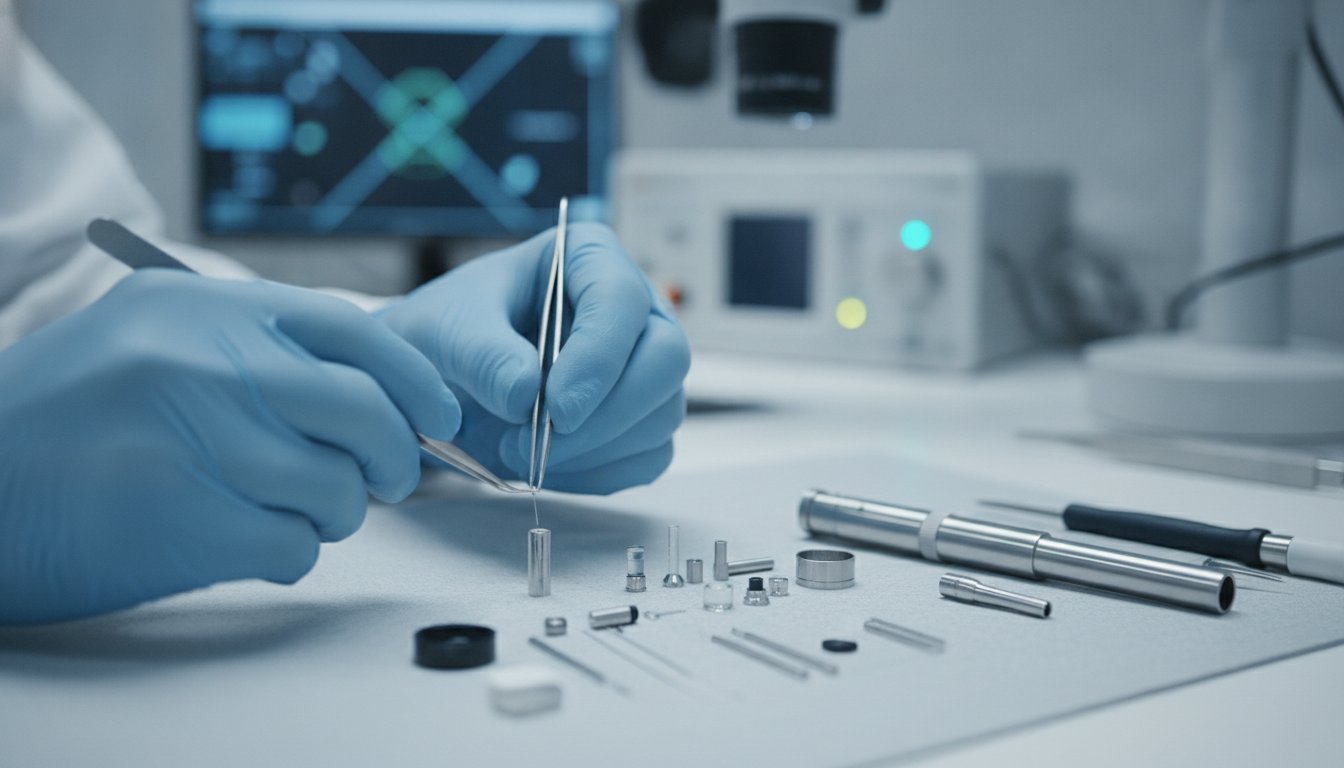
Determining the cost of endoscope repair vs replacement requires a technical audit of the device’s structural integrity. Restoration to original performance specifications isn’t a superficial process. It involves a systemic evaluation of the instrument’s internal and external components to ensure they function within the validated parameters established during initial production. A primary failure point in many reused devices is fluid invasion, which often stems from a breakdown in hermetic sealing. Precision engineering ensures that every seal and joint can withstand the high-pressure steam and chemical exposure of modern reprocessing cycles.
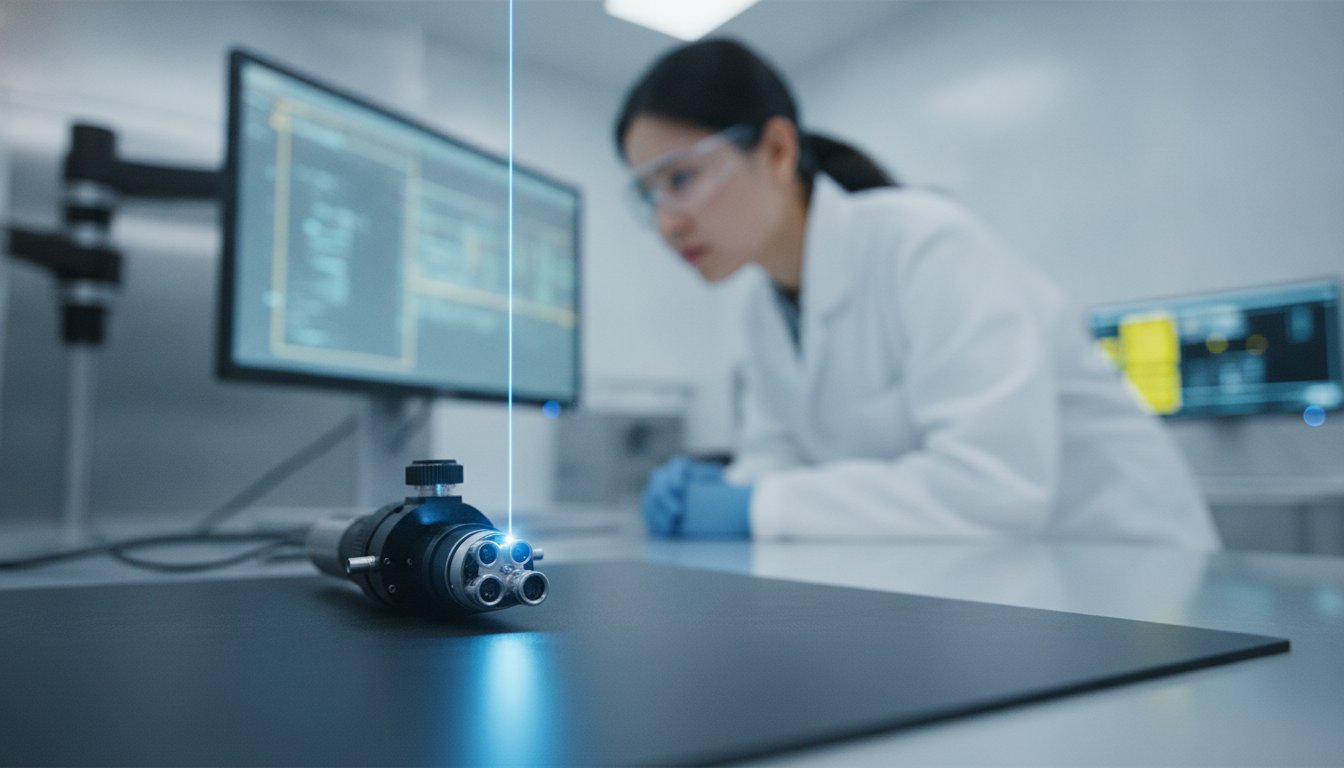
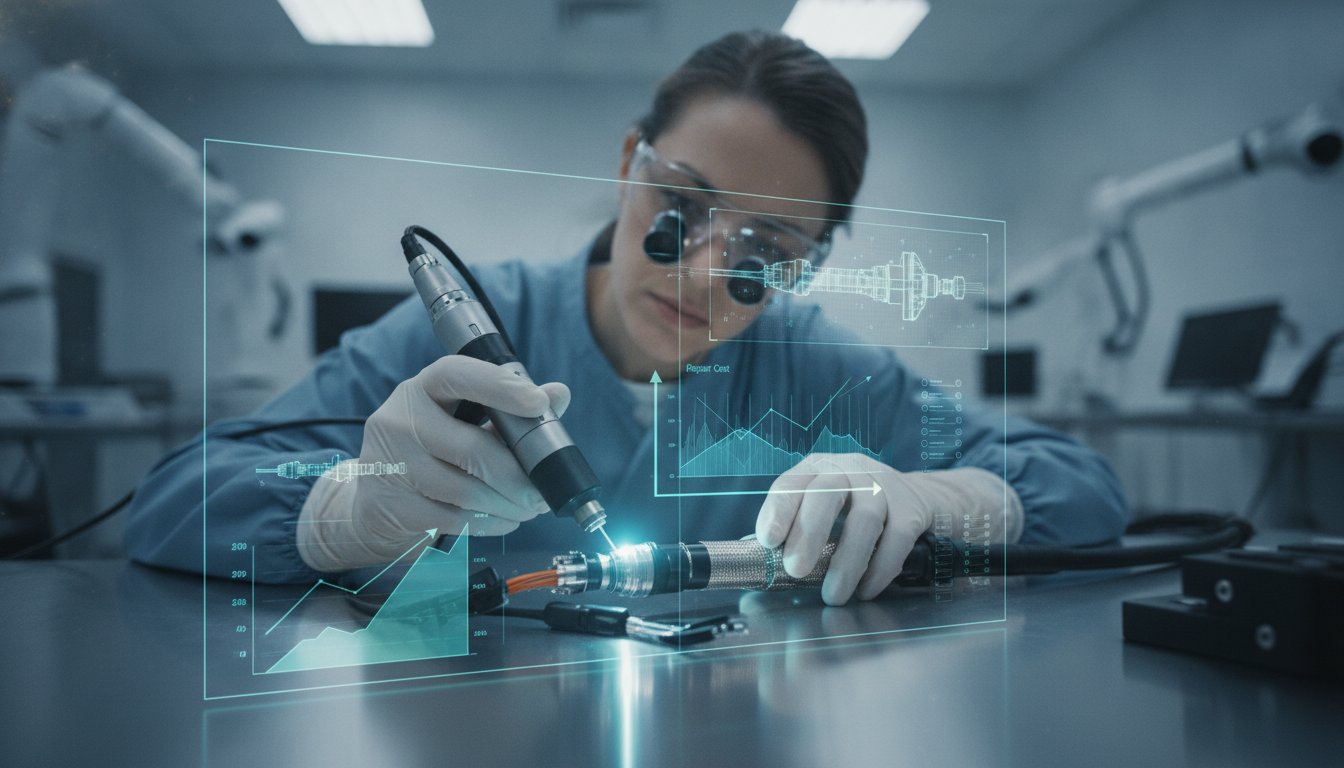
Advanced laser processing plays a pivotal role in this stability. By using specialized laser welding techniques, technicians create bonds that are structurally identical to the original manufacturing. This level of detail is necessary for autoclave stability, preventing the micro-fractures that lead to catastrophic failure during surgery. To ensure your fleet maintains these rigorous standards, you may wish to consult with a technical specialist regarding your current inventory.
Precision Engineering in Refurbishment
Successful refurbishment relies on the act of transformation through technical mastery. Fiber-laser cutting allows for the replacement of micro-precision components with tolerances that match OEM standards. Similarly, ultrashort-pulse marking provides corrosion-resistant tracking codes that remain legible after hundreds of sterilization cycles. This process avoids the surface damage associated with traditional engraving, maintaining the device’s surface integrity. Every material used in the restoration process must undergo rigorous validation to ensure biocompatibility, preventing adverse patient reactions or material degradation over time.
The Validation Gap
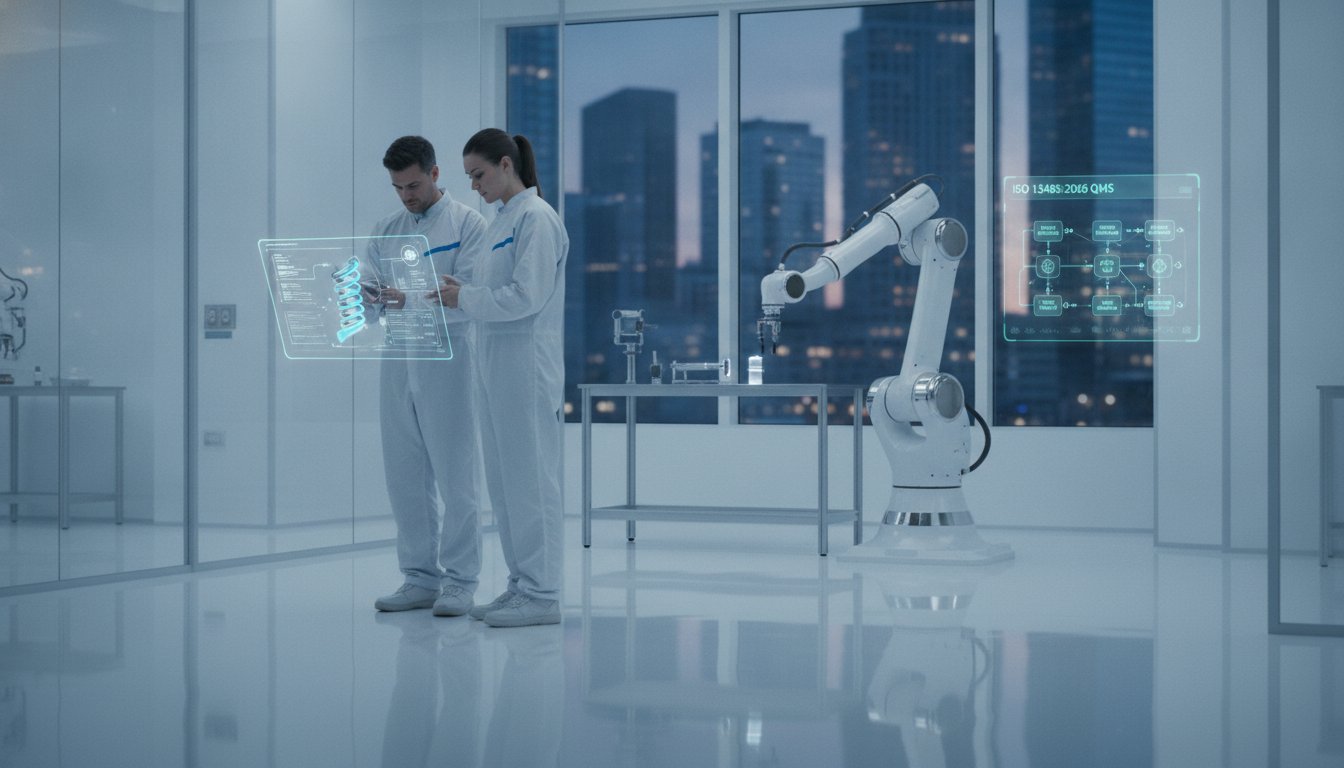
Many standard repair shops operate without the oversight of a quality management system, which creates a significant risk for healthcare providers. True restoration requires adherence to medical device manufacturing compliance and ISO 13485 standards. This includes a formal validation framework involving Installation Qualification (IQ), Operational Qualification (OQ), and Performance Qualification (PQ). These steps verify that the equipment used for repair is calibrated, the process is repeatable, and the final output meets all safety requirements. Leveraging a CDMO background for reusable endoscope refurbishment services provides a level of reliability that generic service providers cannot replicate, ensuring the device is safe for its intended clinical use.
Calculating the Total Cost of Ownership (TCO)
A comprehensive analysis of the cost of endoscope repair vs replacement requires looking beyond the initial capital outlay. While the purchase price of a new high-definition system is a visible line item, the Total Cost of Ownership (TCO) includes a complex web of direct and indirect expenses. Direct costs are easily identified through purchase orders and repair invoices. However, indirect costs such as shipping, insurance, and the administrative burden of managing multiple service vendors often go unquantified. When these factors are ignored, the true financial impact of fleet management remains obscured.
Hidden costs represent the most significant risk to a surgical department’s bottom line. If a repair is performed without the manufacturing-level precision discussed in previous sections, the device may suffer from frequent reprocessing failures. These failures don’t just delay schedules; they increase the risk of patient cross-contamination and bioburden buildup. Furthermore, the opportunity cost of a device being out of service is substantial. In a high-volume environment, a single day of downtime can result in thousands of dollars in lost procedural revenue, far outweighing the nominal savings of a low-quality repair.
Repair vs. Replacement Cost Matrix
Strategic refurbishment typically extends a device’s lifecycle by two to four years, delaying the need for a $50,000 replacement. This extension is particularly valuable when you consider that annual service contracts from OEMs can cost up to 15% of the device’s original value. Additionally, introducing new equipment often necessitates staff retraining. This transition period creates a temporary drop in efficiency and increases the potential for handling errors as teams adapt to new interfaces. Choosing refurbishment maintains clinical continuity and leverages the existing expertise of your surgical and nursing staff.
Environmental and Sustainability Factors
The Decision Framework: 5 Factors to Determine Your Next Step
A structured decision framework prevents emotional purchasing and ensures that capital is allocated where it delivers the highest clinical return. Determining the cost of endoscope repair vs replacement requires more than a simple quote; it necessitates a disciplined methodology. By applying the following five factors, healthcare administrators can move from reactive maintenance to strategic fleet management.
- Step 1: Conduct a 40+ point diagnostic. A comprehensive inspection identifies the root cause of failure rather than just the visible symptoms. This prevents the cycle of recurrent repairs that often plague poorly diagnosed instruments.
- Step 2: Apply the 50% threshold. As a general financial benchmark, if the restoration cost exceeds 50% of the current replacement value, the investment may not be justifiable. This calculation must include the TCO factors discussed in previous sections.
- Step 3: Evaluate technological relevance. An instrument may be physically repairable but technically obsolete. Assess whether the device still supports the imaging standards required for modern surgical precision.
- Step 4: Assess component availability. Restoration is only as reliable as the parts used. Verify that validated, high-precision components are available to return the device to its original performance state.
- Step 5: Verify regulatory compliance. Ensure the repair center maintains ISO 13485 certification and adheres to FDA requirements. This step is non-negotiable for maintaining institutional trust and patient safety.
To begin a professional assessment of your current equipment, you can request a technical fleet evaluation from our Irvine engineering team.
Assessing Technological Obsolescence
Technological relevance is a critical boundary in the repair decision. A gastroscope or ureteroscope may reach a point where its sensor technology or image resolution no longer meets the clinical requirements of 2026. Older models often lack compatibility with the latest video processors or robotic surgical adapters, creating a bottleneck in the operating room. Using “zombie” equipment—devices that are technically functional but clinically outdated—increases the risk of procedural inefficiency and may compromise the quality of care despite the lower immediate cost.
Risk Management and Liability
Improperly executed repairs introduce significant surgical risk and expand hospital liability. When a device fails to meet manufacturing-level standards, it becomes a weak link in the clinical chain. Maintaining a meticulous audit trail for every refurbishment is essential for regulatory compliance. A “Certificate of Restoration” to OEM standards provides the technical evidence required during audits, proving that the device was returned to a validated state. This documentation serves as a steady hand for risk managers, ensuring that every asset in the endoscopy suite is both safe and effective for patient use. Facilities managing a mixed fleet of flexible and rigid instruments should also review the technical requirements for rigid endoscope repair services, as the optical alignment and compliance standards for these devices differ significantly from flexible models.
Precision Restoration to OEM Specifications with Fong’s Engineering & Manufacturing Private Limited
The technical evidence presented in this guide suggests that the cost of endoscope repair vs replacement is only favorable when the restoration is performed to manufacturing-level standards. Fong’s Engineering & Manufacturing Private Limited bridges the gap between generic service and original production quality by leveraging 40 years of medical device contract manufacturing services. Our approach treats every refurbishment as a precision assembly process, ensuring that complex devices like gastroscopes and ureteroscopes return to the field with the same reliability as a new instrument. This commitment to technical excellence allows healthcare facilities to maximize their existing assets without compromising on surgical precision or patient safety.
Applying smart manufacturing lines to the refurbishment lifecycle represents a significant shift in the industry. By integrating advanced automation and rigorous validation protocols, we eliminate the variability often found in manual repair shops. This disciplined environment ensures that every seal, fiber optic bundle, and distal tip component meets original performance parameters. Our mission is to advance patient care through a steady hand in medical device restoration, providing a reliable alternative to the high capital costs of frequent fleet replacement. This manufacturing-first mindset ensures that devices are not just repaired, but are technically restored to a state of operational excellence.
The Fong’s Engineering & Manufacturing Private Limited Difference in Irvine, CA
Speed and technical transparency are essential for maintaining surgical throughput. Our ISO 13485 certified repair center in Irvine, California, serves as a national hub for domestic support, backed by a global engineering backbone. This geographic advantage reduces the logistical delays associated with international shipping or fragmented service networks. Clients gain direct access to CDMO-level engineering expertise for complex assemblies, ensuring that even the most intricate rigid and flexible endoscopes are processed with meticulous care. Every restoration is accompanied by full traceability and compliance documentation, providing the technical proof required for modern regulatory audits.
Partnering for Fleet Longevity
Maintaining a high-performing endoscopy suite requires more than occasional repairs; it demands a partnership focused on long-term fleet health. We offer customized refurbishment programs designed for the specific needs of hospitals and ambulatory surgical centers. These programs integrate precision repair with proactive technical oversight to maximize equipment uptime and reduce the total cost of endoscope repair vs replacement over the device’s entire lifecycle. By aligning your maintenance strategy with our manufacturing expertise, you ensure that your clinical teams always have the tools they need for surgical excellence. You can consult with our Irvine repair experts today to begin a comprehensive review of your equipment needs.
Optimizing Fleet Performance through Technical Excellence
Strategic fleet management in 2026 relies on the ability to distinguish between a simple fix and a manufacturing-level restoration. By applying a rigorous Total Cost of Ownership framework, your facility can move beyond the reactive cycle of equipment failure. Balancing the cost of endoscope repair vs replacement effectively requires a partner that understands the original engineering specifications of your instruments. Our ISO 13485 certified repair center in Irvine, CA, provides this expertise, utilizing advanced laser processing to ensure long-term autoclave stability and clinical reliability.
Adopting CDMO-level engineering standards allows you to extend asset lifecycles while maintaining the highest levels of patient safety. It’s a strategy that reduces unnecessary capital expenditure and aligns with modern sustainability mandates. We invite you to Request a Technical Assessment for Your Endoscope Fleet to determine the optimal path for your current inventory. Transitioning to a precision-led maintenance strategy ensures that your surgical teams remain equipped with instruments that perform with quiet, technical mastery. We look forward to supporting your commitment to surgical excellence.
Frequently Asked Questions
What is the average cost difference between endoscope repair and replacement?
Refurbishing an instrument typically costs 40% to 60% less than a full replacement. This significant reduction in the cost of endoscope repair vs replacement allows hospitals to extend their capital budgets while maintaining surgical throughput. The exact savings depend on whether the device requires minor component replacement or a full technical restoration to its original validated state.
Can a refurbished endoscope perform as well as a new one?
A properly refurbished device meets the original manufacturing performance specifications. When a restoration follows CDMO-level engineering standards, the instrument’s optical clarity and mechanical articulation are indistinguishable from a new unit. This level of precision is achieved through advanced laser processing and the use of validated, biocompatible materials that ensure the device remains safe for clinical use.
How many times can an endoscope be refurbished before it must be replaced?
There’s no fixed limit on the number of refurbishments, provided the structural chassis remains intact and technologically relevant. Most reusable endoscopes can undergo multiple major restorations before material fatigue or technical obsolescence necessitates replacement. A 40-point diagnostic framework is essential during each cycle to verify that the device’s foundation can still support a manufacturing-level refurbishment.
Does third-party repair void the original manufacturer warranty?
Engaging a third-party repair partner may terminate the original OEM warranty. However, high-level refurbishment centers provide their own comprehensive warranties that often match or exceed the original terms. This transition shifts the liability and support structure to a partner that offers more flexible service models and lower long-term maintenance costs without compromising technical integrity.
What are the most common causes of endoscope failure that require major repair?
Accidental damage and fluid invasion are the most frequent drivers of major repairs. Impact to the distal tip and broken fiber optic bundles often occur during handling or surgical use, while seal failures during reprocessing lead to catastrophic internal corrosion. Regular maintenance can mitigate these risks, though precision refurbishment remains the primary path for recovery after such failures occur.
How long does a typical endoscope refurbishment take at the Irvine center?
Refurbishment timelines at the Irvine facility are structured to accommodate rigorous validation protocols and national support requirements. The process moves logically from a root-cause diagnostic to precision assembly and final performance qualification. This methodical approach ensures that every device meets ISO 13485 standards before returning to the surgical suite, maintaining the steady hand of reliability your clinical teams expect.
What certifications should I look for in an endoscope repair partner?
Look for ISO 13485 certification and a documented history of precision engineering as the primary indicators of a capable partner. This certification ensures that the repair center operates under a globally recognized quality management system for medical devices. You should also verify the partner’s ability to provide full traceability and compliance documentation for every component used in the restoration process.
Is it possible to refurbish robotic surgical adapters and MIS tools?
Robotic surgical adapters and MIS tools are candidates for precision refurbishment. These complex assemblies require the same micro-precision components and manufacturing-level rigor as traditional endoscopes. Refurbishing these high-value assets allows surgical centers to maintain advanced procedural capabilities while significantly reducing the cost of endoscope repair vs replacement across their entire technology stack. For facilities that also operate laparoscopes, arthroscopes, or other rigid instruments, understanding the specialized protocols behind professional rigid endoscope repair services is an important step in building a comprehensive fleet maintenance strategy.