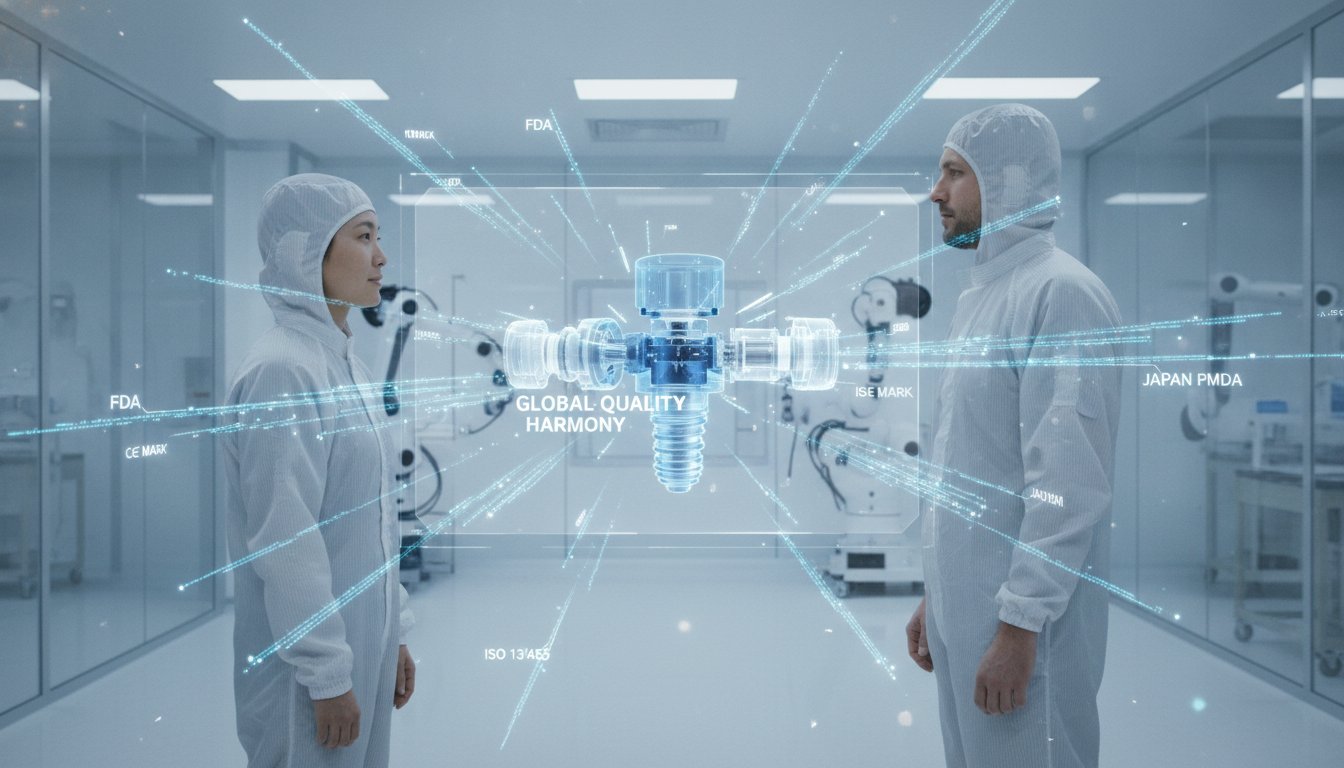
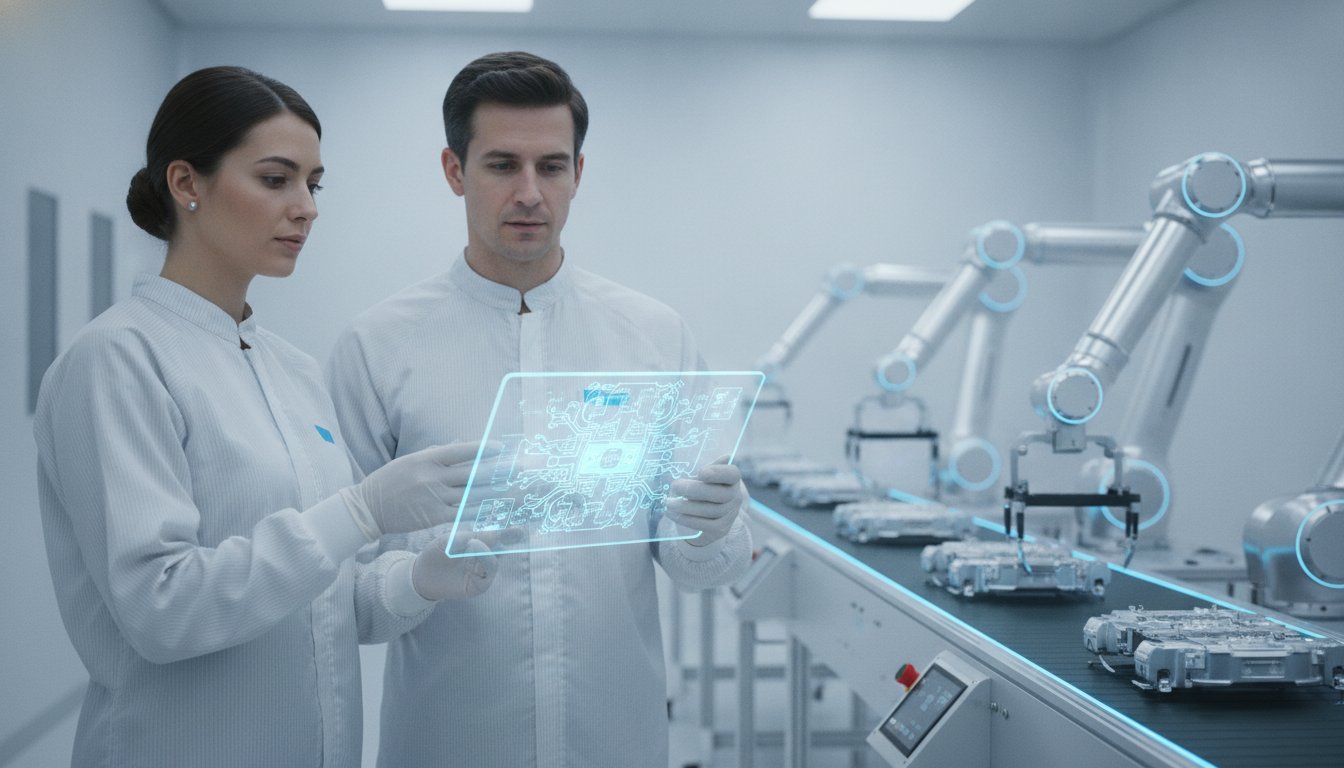
The transition from a prototype to mass production is often where the most sophisticated medical innovations face their greatest risk of failure. With the FDA’s Quality Management System Regulation (QMSR) officially harmonized with ISO 13485:2016 as of February 2, 2026, the technical requirements for a successful medical device manufacturing tech transfer checklist have never been more rigorous. You likely recognize that a simple handoff between departments isn’t enough to guarantee success. It requires a meticulous synchronization of design intent with scalable manufacturing intelligence to avoid the production delays and compliance gaps that can derail a commercial launch.
Mastering these complexities requires a disciplined approach to documentation and process validation. This 2026 guide provides the technical framework you need to navigate the move from R&D to the factory floor with absolute confidence. We’ll outline how to maintain precision at scale, ensure your quality systems meet global standards, and leverage advanced CDMO capabilities to accelerate your timeline. By following this structured path, you’ll achieve a seamless transition that preserves device integrity while meeting the demanding expectations of the modern MedTech market.
Key Takeaways
- Synchronize design intent with manufacturing through rigorous Bill of Materials (BOM) and Critical-to-Quality (CTQ) specification transfers.
- Understand the technical requirements for IQ, OQ, and PQ to ensure production equipment and processes remain stable during high-volume scaling.
- Utilize a comprehensive medical device manufacturing tech transfer checklist to ensure full alignment with updated 2026 FDA QMSR and ISO 13485 standards.
- Establish the criteria for a successful CDMO handoff, transitioning from design validation to 24-hour unmanned smart manufacturing lines.
- Identify strategies to mitigate production delays by integrating Process Failure Mode and Effects Analysis (PFMEA) into your transfer documentation.
The Strategic Criticality of Technology Transfer in MedTech
Success in the medical device industry depends on more than just a breakthrough design; it requires a flawless execution of technology transfer. This process is the systematic transition of product knowledge, manufacturing processes, and quality controls from the research and development phase to a commercial production environment. In 2026, the landscape has shifted significantly. The FDA’s Quality Management System Regulation (QMSR) now aligns with ISO 13485:2016, which means manufacturers must demonstrate that their processes are robust in practice. This alignment demands a smarter transfer process that prioritizes supply chain resilience, especially as OEMs look toward strategic hubs in Singapore and Malaysia, where Fong’s is expanding with a new site in Q1 2027.
The stakes of this transition are incredibly high. A failed transfer often leads to catastrophic outcomes like product recalls, FDA warning letters, and a rapid loss of market share. To mitigate these risks, a comprehensive medical device manufacturing tech transfer checklist serves as the foundational roadmap for the Transfer Team. This cross-functional group unites R&D engineers, quality assurance specialists, and production managers from both the OEM and the CDMO. By establishing clear lines of communication and responsibility, the team ensures that every engineering nuance is captured before the first production run begins.
Bridging the Gap Between R&D and Mass Production
Effective transfers identify Design for Manufacturability (DFM) opportunities early in the lifecycle. A sophisticated CDMO doesn’t act as a passive recipient of drawings; it functions as a technical consultant that refines complex components like robotic surgical adapters for high-volume repeatability. Technology transfer is a mandatory regulatory requirement under ISO 13485:2016, ensuring that the manufacturing process is capable of consistently producing devices that meet specifications. By addressing DFM during the transfer phase, we reduce the risk of late-stage engineering changes that can delay market entry and inflate costs.
Defining Success Metrics for Your Tech Transfer
Every project requires a ‘Master Validation Plan’ (MVP) to serve as its north star. This document defines the success metrics that will govern the production lifecycle. Key performance indicators typically include:
- Yield Rates: Maximizing the output of conforming parts to reduce material waste.
- Cycle Times: Optimizing the speed of production without compromising the integrity of micro-precision components.
- First-Pass Quality: Ensuring that devices meet all CTQ (Critical-to-Quality) specifications on the first attempt.
For those seeking deeper insights into the engineering phase, our Medical Device DFM: Strategic Engineering Guide 2026 details how to optimize designs for these specific metrics. Utilizing a structured medical device manufacturing tech transfer checklist ensures these targets aren’t just goals, but validated outcomes achieved through disciplined engineering and technical mastery.
Phase 1: Knowledge Transfer and Design for Manufacturability (DFM)
The initial phase of any successful technology transfer involves more than a simple handoff of folders. It requires a meticulous translation of design intent into actionable machine instructions. A robust medical device manufacturing tech transfer checklist begins with the comprehensive exchange of intellectual property and engineering data. This phase aligns with the industry benchmarks established in the PDA Technical Report 65, which emphasizes the structured flow of technical information to ensure process consistency. During this stage, the transfer team must verify the following items:
- Bill of Materials (BOM) and CTQ Specifications: Finalizing the BOM and identifying every Critical-to-Quality (CTQ) dimension is non-negotiable for maintaining device performance.
- Technical Documentation: This includes the transfer of CAD files, detailed technical drawings, and Material Safety Data Sheets (MSDS).
- Material Assessment: Evaluating the availability and biocompatibility of specialized alloys like Nitinol or MP35N. These materials require specific handling protocols to preserve their mechanical properties.
- Laser Processing Review: Defining exact requirements for laser marking and hermetic welding to ensure long-term device traceability and seal integrity.
Early collaboration during this phase allows for the identification of potential manufacturing hurdles before they become costly production delays. If you are preparing for a complex project, you may wish to discuss your specific engineering requirements with our team to ensure all technical nuances are captured.
The Technical Review of Design Specifications
Our engineering teams conduct a deep-dive review of all design specifications to evaluate tolerances for micro-precision components. Utilizing 5-axis CNC capabilities allows for the production of complex geometries that might be impossible with standard machining. We also assess the risks associated with manual assembly versus transitioning to automated smart lines. For high-risk devices such as stents and orthopedic implants, the validation of material certificates is a critical step in ensuring regulatory compliance and patient safety.
Prototyping and Engineering Runs
Before moving to full-scale production, we conduct pilot runs on production-grade equipment. These engineering runs are essential for refining laser soldering and cutting parameters. This stage verifies the feasibility of the transfer and ensures that the manufacturing process is capable of meeting the rigorous standards outlined in our Comprehensive Medical Device Contract Manufacturing Services. By validating these processes early, we establish a stable foundation for the validation phases that follow, ensuring that the final output remains consistent with the original design intent.
Phase 2: Equipment, Tooling, and Process Validation (IQ/OQ/PQ)
Once the design specifications are finalized, the focus shifts to the physical environment where mass production occurs. This phase ensures that the machinery and processes are capable of meeting the rigorous standards required for medical safety. A comprehensive medical device manufacturing tech transfer checklist must prioritize a structured validation framework. This includes Installation Qualification (IQ), Operational Qualification (OQ), and Performance Qualification (PQ). In 2026, the integration of smart manufacturing technologies has transformed these traditional steps into a data-driven exercise in precision.
- Installation Qualification (IQ): We verify that all CNC machining centers, laser systems, and injection molding equipment are installed according to manufacturer specifications and regulatory requirements.
- Operational Qualification (OQ): Engineers establish the process windows and limits. This ensures that the equipment operates consistently across a range of conditions, identifying the boundaries of safe production.
- Performance Qualification (PQ): This stage validates that the process produces consistent, high-quality output over an extended period. For devices like stents or robotic surgical adapters, this must occur within a controlled environment.
Advanced facilities now integrate unmanned CMM (Coordinate Measuring Machine) inspection and real-time monitoring into the validation protocol. This approach addresses a common gap in standard transfers by providing continuous data streams that detect deviations before they result in non-conforming parts. By automating the inspection process, we remove human error and provide a higher level of assurance for micro-precision components.
Validating Advanced Laser and Precision Machining Processes
Precision is non-negotiable when handling 5-axis laser welding and ultrashort-pulse marking. We set specific benchmarks for these advanced processes to ensure that every weld and mark meets the necessary depth and clarity without compromising material integrity. For reusable endoscope components, validation includes testing for autoclave stability to ensure the device remains functional after repeated sterilization cycles. The execution of IQ/OQ/PQ is a fundamental necessity in a CDMO context for 2026 to guarantee that every transferred process is both repeatable and regulatory-compliant.
Cleanroom Setup and Environmental Controls
Controlled environments are essential for the assembly of high-risk medical devices. We validate Class 8 (100k) cleanroom parameters to ensure that surgical staplers and catheter assemblies are produced in an environment free from particulate contamination. This process includes establishing sterilization protocols such as EtO, Gamma, or Autoclave, depending on the material requirements of the transferred device. Our expertise in Medical Device Assembly: Diagnostic Manufacturing 2026 ensures that these environmental controls are seamlessly integrated into the production lifecycle, maintaining the highest standards of cleanliness and precision.
Phase 3: Regulatory Compliance, Risk Management, and Supply Chain
Compliance is the bedrock of any successful production handoff. A robust medical device manufacturing tech transfer checklist must prioritize the evolution of the Risk Management File from a design focus to a process focus. This involves a rigorous update of the Process Failure Mode and Effects Analysis (PFMEA). By identifying potential failure points on the factory floor before they occur, we mitigate the risk of regulatory non-compliance during future audits. We ensure all documentation aligns perfectly with FDA 510(k) and CE Mark technical file requirements, providing a transparent and defensible record of the manufacturing transition.
Supply chain integrity is equally vital during this phase. We conduct thorough audits of secondary process vendors, specifically those handling critical treatments like anodizing or Diamond-Like Carbon (DLC) coating. Traceability must be absolute and unbroken. We establish protocols that track every component from the initial raw material receipt through to the final sterile packaging, whether in a Tyvek pouch or a specialized blister pack. This meticulous attention to detail ensures that every device leaving the facility is fully accounted for and meets the highest safety standards. If you’re ready to secure your production line, you can contact our regulatory experts today to discuss your compliance roadmap.
Quality Management System (QMS) Alignment
We map the OEM’s specific quality requirements directly into our established ISO 13485 framework. This synchronization creates a unified standard for production that leaves no room for ambiguity. We also establish specific Corrective and Preventive Action (CAPA) triggers tailored to the new production line. This proactive setup ensures that any process deviation is addressed and remediated immediately. For a deeper analysis of these standards, see our guide on Mastering Medical Device Manufacturing Compliance.
Global Logistics and Regional Support
Our global footprint provides the infrastructure needed for seamless regional distribution. We leverage our Singapore HQ and the upcoming Malaysia site, scheduled to open in Q1 2027, as strategic hubs for the Asian market. For partners in North America, our Irvine, CA facility offers specialized support for endoscope repair and refurbishment needs. To maintain transparency, we provide OEM stakeholders with real-time dashboard access. This allows you to monitor transfer progress and supply chain health with the same precision we apply to the manufacturing process itself.
Mass Production Scaling: Final CDMO Partner Handoff
The culmination of the technology transfer process is the formal transition to mass production. This phase represents the successful synchronization of design intent with industrial capability. The final stage of your medical device manufacturing tech transfer checklist requires a rigorous sign-off on two critical documents: the Design Transfer Report and the Validation Summary Report. These records provide the objective evidence required by regulatory bodies to prove that the manufacturing process is stable, repeatable, and capable of producing devices that meet all safety specifications.
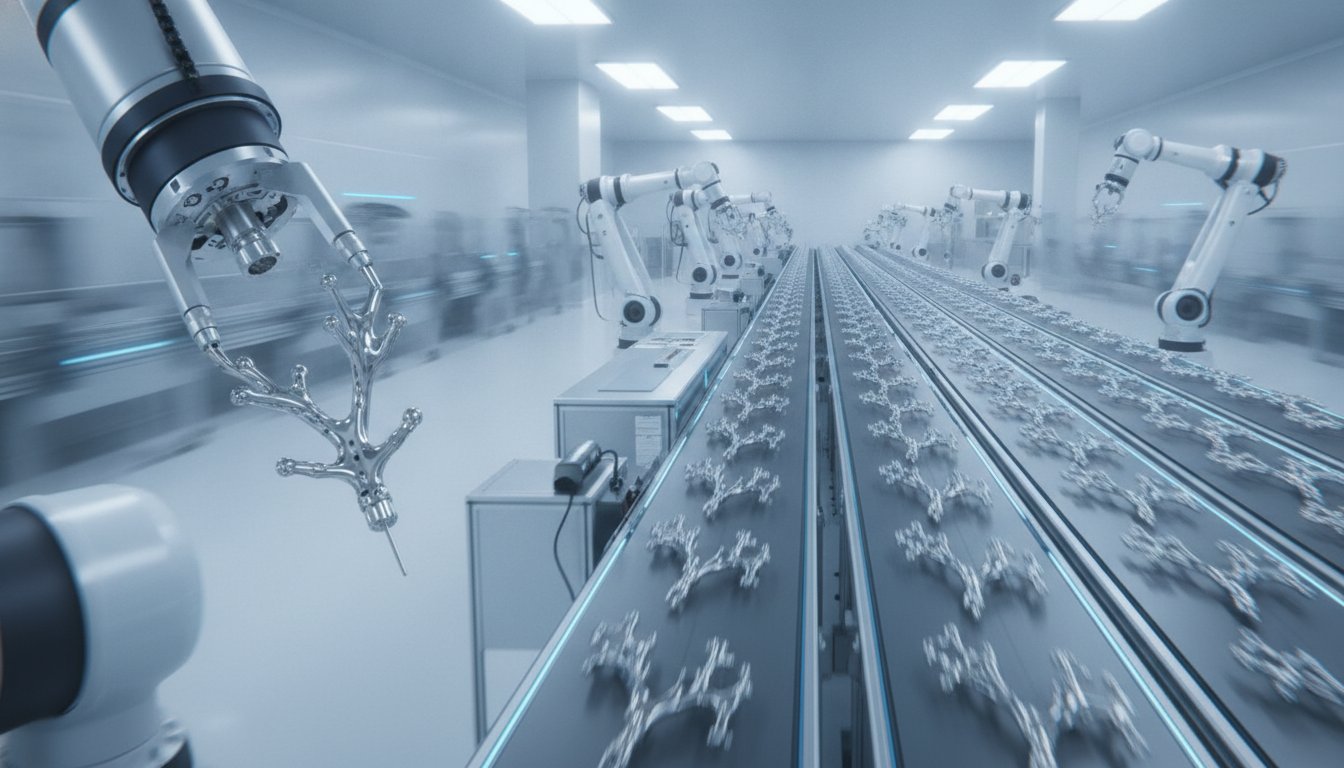
Transitioning to 24-hour unmanned smart manufacturing lines allows for the efficient handling of high-volume orders without compromising quality. To ensure seamless supply chain integration, we implement Vendor Managed Inventory (VMI) protocols. This system synchronizes component availability with production schedules, reducing lead times and preventing stockouts. Even after the handoff is complete, we establish a continuous feedback loop. This post-transfer monitoring allows us to analyze real-time data and implement process improvements that enhance long-term yield and reliability. Utilizing a structured medical device manufacturing tech transfer checklist ensures that this final transition is a measured step rather than a risky leap.
Harnessing Smart Manufacturing for Long-Term Success
Smart manufacturing is the key to maintaining a competitive edge in 2026. By utilizing robotic loading and unloading systems, we reduce the need for manual intervention while significantly improving equipment utilization. This automation is vital for maintaining the extreme precision required for complex devices like heart valve rings and cryoablation tubes. Real-time monitoring systems act as a safeguard against quality drift, providing immediate alerts if a process begins to move outside of its validated windows. This data-driven approach ensures that the high standards established during the validation phase are maintained throughout the entire product lifecycle.
Why Fong’s is the Global Partner of Choice for Tech Transfer
Fong’s brings over 40 years of precision engineering and CDMO expertise to every partnership. We operate as a sophisticated problem-solver with a combined platform of more than 1,000 production staff across our global sites. Our strategic hubs in Singapore and China, along with our new Malaysia site opening in Q1 2027, provide the regional support and supply chain resilience that modern MedTech companies demand. We’re committed to the vision of advancing patient care through the production of best-in-class medical devices. By choosing Fong’s, you’re securing a partner with the technical mastery and steady hand necessary to navigate the most complex developmental cycles.
Securing Your Production Future through Technical Mastery
The successful transition from design to mass production requires more than engineering expertise; it demands a disciplined adherence to a comprehensive medical device manufacturing tech transfer checklist. By prioritizing Design for Manufacturability and rigorous IQ/OQ/PQ validation, you ensure that precision is maintained at every stage of the lifecycle. As global regulations harmonize under the 2026 FDA QMSR, the role of a technically proficient partner becomes the deciding factor in achieving sustained market success.
Fong’s provides the steady hand needed for these complex developmental cycles. With ISO 13485 and FDA 510(k) certified quality systems, we offer a robust global manufacturing footprint across Singapore, China, and our upcoming Malaysia site. Our integration of advanced laser processing and smart manufacturing lines ensures your device meets the highest standards of accuracy and reliability. We’re ready to help you navigate the technical and regulatory hurdles of the modern MedTech landscape.
Partner with Fong’s for a seamless, ISO 13485-compliant tech transfer today. We look forward to refining your processes and advancing patient care through your next medical innovation.
Frequently Asked Questions
What is the difference between design transfer and manufacturing tech transfer?
Design transfer focuses on ensuring design outputs are accurately translated into production specifications within the Design History File. Manufacturing tech transfer is a more comprehensive industrial process involving the physical relocation of equipment, specialized tooling, and technical knowledge to a new facility or CDMO. While design transfer is a regulatory milestone, tech transfer is an operational execution that ensures the manufacturing environment is fully capable of producing the device at scale.
How long does a typical medical device manufacturing tech transfer take?
The duration of a tech transfer typically ranges from 6 to 18 months depending on device complexity and regulatory classification. Simple mechanical components may move faster, but complex devices like robotic surgical adapters require extensive validation phases. This timeline includes the time needed for material sourcing, equipment qualification, and process validation (IQ/OQ/PQ). A well-structured medical device manufacturing tech transfer checklist is essential to prevent timeline slippage during these critical phases.
What are the most common pitfalls in MedTech technology transfer?
Frequent pitfalls include incomplete technical documentation, inadequate risk assessment during the PFMEA update, and poor communication between R&D and production teams. Many organizations also underestimate the time required for secondary process validation, such as specialized coatings or sterilization. Failing to identify critical-to-quality (CTQ) specifications early often leads to yield issues during mass production scaling. These gaps can result in significant delays, regulatory non-compliance, and increased costs during the commercial launch.
Does ISO 13485 require a specific tech transfer checklist?
ISO 13485:2016 doesn’t mandate a specific checklist format, but it requires manufacturers to maintain documented procedures for design transfer. Section 7.3.8 specifies that the organization must ensure design outputs are verified as suitable for manufacturing before becoming final production specifications. While the standard provides the requirement, a detailed medical device manufacturing tech transfer checklist is the industry-standard tool used to demonstrate compliance and ensure every regulatory and technical requirement is met.
How do you manage IP protection during a CDMO tech transfer?
IP protection is managed through a combination of robust legal frameworks and stringent operational security. We utilize comprehensive Non-Disclosure Agreements (NDAs) and secure, encrypted platforms for all technical data exchanges. Within the facility, access to sensitive project data and specialized manufacturing cells is restricted to authorized personnel. This compartmentalized approach ensures that proprietary designs and trade secrets remain protected throughout the entire lifecycle, from initial knowledge transfer to final mass production.
What documentation is mandatory for an FDA-compliant manufacturing transfer?
Mandatory documentation includes the updated Device Master Record (DMR), the Design History File (DHF), and comprehensive Validation Summary Reports for all IQ/OQ/PQ activities. Manufacturers must also provide an updated Risk Management File that incorporates process-specific risks identified through PFMEA. Under the 2026 FDA QMSR, all documentation must demonstrate alignment with ISO 13485:2016 standards. These records serve as the primary evidence of compliance during regulatory audits and pre-market notifications.
How does smart manufacturing impact the tech transfer process?
Smart manufacturing accelerates the transfer process by providing real-time data analytics and enhanced process transparency. The integration of unmanned CMM inspection and automated monitoring allows for faster identification of process deviations during the validation phase. This digital infrastructure creates a more robust technical record, improving traceability and reducing the reliance on manual documentation. By leveraging these technologies, we achieve higher precision and more predictable outcomes when scaling complex devices for global distribution.
Can Fong’s handle tech transfers for both disposable and reusable medical devices?
Fong’s possesses the technical capability to manage transfers for both high-volume disposable components and complex reusable devices. Our expertise includes the production of single-use stents and ultrasonic scalpel couplers, as well as the repair and refurbishment of reusable endoscopes. We maintain Class 8 cleanrooms and advanced laser processing suites to support the specific sterilization and durability requirements of each device type. Our global facilities are equipped to handle the unique lifecycle demands of diverse MedTech portfolios.