Keeping medical device development in-house can provide control, but it also requires building and coordinating capabilities across design, prototyping, validation, regulatory support, and production. The benefits of an end-to-end medical device CDMO come from connecting these stages, so development and manufacturing teams can work together as a product moves toward production.
The right approach depends on the expertise, equipment, and capacity a company needs to retain internally. This article explains what a medical device CDMO provides and compares an integrated partnership with in-house development and production. It also shows how continuity across design transfer, testing, regulatory support, and manufacturing can improve coordination and the move from prototype to production.
Key Takeaways
- Understand how a medical device CDMO can connect concept design, prototyping, validation, regulatory support, and production.
- Compare integrated outsourcing with in-house development by considering the expertise, equipment, and capacity your team needs to maintain.
- See how close collaboration between development and manufacturing teams can support design transfer and reduce process handoffs.
- Identify how external development, testing, and manufacturing capabilities may help manage resource constraints and production changes.
- Learn what to consider when deciding whether an end-to-end partnership fits your device’s development and manufacturing needs.
What is a Medical Device CDMO?
A medical device contract development and manufacturing organization combines product development expertise with manufacturing capability. Its work can span concept design, prototyping, testing, clinical support, regulatory support, and production.
A traditional contract manufacturing organization generally focuses on manufacturing, while a CDMO can contribute earlier in development. Design-for-manufacturing work can help teams consider a prototype’s performance and manufacturability. The partnership can then progress from pilot production to larger-scale manufacturing as the product and its production requirements mature.
End-to-End Development and Manufacturing
An end-to-end CDMO can coordinate development, manufacturing, packaging, and shipment within a connected service model. With separate specialists, design decisions and production requirements must pass between organizations. A defined path from prototype testing through packaging and shipment can help align handoffs, documentation, and manufacturing requirements.
Pharmaceutical and biotech companies also use CDMOs across development and manufacturing. Their needs may include development support, production, packaging, and shipment, scoped to the product and its stage. For medical devices, a comparable model can connect design refinement and clinical-stage builds with production planning.
Flexible Capacity and Device Experience
Flexible manufacturing capacity can support a transition from small pilot batches to sustained commercial output. Pilot production may support clinical trials, design validation, or early market entry, while full-scale manufacturing suits devices ready for ongoing distribution. This model can give pharmaceutical and biotech companies access to production capacity without requiring them to establish every resource in-house.
Device experience matters as much as capacity. A partner familiar with interventional devices can address specific design and process needs, such as complex catheter assemblies or implants. Unlike a general manufacturing arrangement, this work must account for the device’s components, inspection needs, and production process.
How does an end-to-end medical device CDMO compare with using multiple specialized vendors? One CDMO can coordinate development and manufacturing through a connected process, while multiple vendors divide the work across organizations. An integrated model can reduce handoffs; a multi-vendor model lets teams assign separate stages to specialists.
What are the benefits of using one medical device CDMO from design through commercialization? A shared development and manufacturing team can streamline design transfer and identify production constraints earlier. Connecting prototype work, validation, and manufacturing planning can also reduce duplicated coordination between vendors.
What are the risks and disadvantages of outsourcing medical device manufacturing to a CDMO? Outsourcing can reduce direct control over daily production and make coordination dependent on clear responsibilities, documentation, and communication. An unclear scope or poorly managed transition between teams can cause delays or require additional transfer work.
| Option | Development continuity | Capacity model | Coordination |
|---|---|---|---|
| End-to-end CDMO | Development through production | Pilot to full scale | One integrated partner |
| Multiple specialized vendors | Separate stage expertise | Assigned by vendor | More handoffs |
| In-house development and production | Internal teams manage stages | Internal resources | Direct internal coordination |
Choose an approach by matching the required development stages, device expertise, production capacity, and desired level of direct operational control.
Packaging, sterilization management, and regulatory support
Packaging, sterilization management, and regulatory support link manufacturing controls with product handling and technical documentation. A CDMO can coordinate these workstreams so packaging decisions, production records, and regulatory activities stay aligned as a device moves toward distribution.
Quality systems provide the structure for this coordination. According to the International Organization for Standardization, ISO 13485:2016 is a quality standard that CMOs follow for medical device manufacturing. A documented quality system can organize procedures, records, and review steps across production, helping teams trace decisions and address process issues consistently.
A CDMO can support design controls and work related to FDA 21 CFR Part 820 by coordinating design and manufacturing documentation. For example, teams can connect design changes with their production implications and maintain clear records of reviews, testing, and validation activities. This makes regulatory considerations part of development and manufacturing collaboration, rather than a separate activity at the end.
Regulatory teams add value when involved early. During design reviews, they can identify documentation needs and raise quality questions before manufacturing processes are established. As the device progresses, regulatory and production teams can align records with its design, manufacturing approach, and submission support.
Packaging decisions should reflect how a device will be stored and transported. A CDMO may manage packaging design and implementation to protect devices through these stages. Teams can assess the device configuration, packaging materials, handling requirements, and shipment process together, then document the chosen approach within the broader quality system.
Sterilization management requires coordination among the device, its packaging, and the manufacturing process. A CDMO can organize the relevant activities and records across these connected areas. Clear responsibility assignments and controlled documentation help teams track how sterilization decisions relate to production and packaging, rather than treating each workstream in isolation.
End-to-end CDMOs can support FDA submissions by organizing relevant technical and manufacturing information. This regulatory support can help align product development records with manufacturing documentation. Regulatory approval remains the relevant authority’s decision; a CDMO supports preparation and coordination, not a guaranteed outcome.
In a global program, quality teams also need a consistent process for reviewing changes and handling nonconformances. A defined review can record the issue, its assessment, and the corrective action taken. This creates a traceable basis for manufacturing decisions and connects quality control with regulatory activities.
For a project involving complex device assembly, discuss quality and manufacturing requirements as part of the development plan.
CDMO partnership and collaboration
A productive CDMO partnership defines how development, manufacturing, and project decisions fit together. Clear responsibilities help both organizations coordinate technical work, documentation, and changes as a device advances.
CDMO Partner Selection Criteria
Start partner selection with the device and the work it requires. A project involving complex assembly needs relevant manufacturing capabilities, while an evolving design may need development and design-for-manufacturing support. Regulatory experience and medical-device expertise also matter. These criteria assess technical fit, not the broader, ongoing role of a strategic partnership.
Next, map the proposed partner’s capabilities to each project stage: design refinement, prototype builds, validation, clinical-trial production, and manufacturing transfer. This makes gaps visible before responsibilities are divided. Assess whether inspection methods suit the device and whether the partner can support production changes as requirements evolve.
Communication and information management require the same discipline as technical capability. Define who owns design decisions, who reviews manufacturing changes, and how teams share sensitive product information. A controlled collaboration platform can limit shared information to relevant subsystems. Named decision-makers and agreed documentation practices help resolve questions while preserving traceability.
Selection also means comparing operating models. Separate vendors may offer specialized expertise at individual stages, but the OEM must coordinate the interfaces between them. A single CDMO can connect development and manufacturing teams, while in-house teams retain more direct control. The right fit depends on internal capabilities and the integration the project needs.
Strategic CDMO Partnerships
A strategic partnership extends beyond a defined manufacturing task. Development and production teams can review design choices together, identify bottlenecks, and plan changes around manufacturing needs. Unlike a narrowly scoped contract, this model supports collaboration across the product lifecycle and connects technical decisions.
For a device entering clinical trials, a CDMO can coordinate with the OEM’s development team and relevant clinical researchers or medical professionals. This collaboration can surface practical issues for assessment during development. Commercial teams can also contribute earlier, aligning product planning with the design and manufacturing path.
Make collaboration practical with a shared project plan that defines stage gates, deliverables, decision owners, and escalation routes. For example, a design revision should trigger review by the teams responsible for development, quality, and production. This helps organizations assess downstream effects before approving a change.
Partnership quality depends on sustained, structured communication, not simply the number of services in a contract. Regular technical reviews, documented decisions, and controlled information sharing help keep specialized teams aligned. These practices are especially useful when design work continues alongside manufacturing preparation or clinical-trial activity.
Use the selection criteria to distinguish immediate technical fit from long-term collaboration needs. A project with a stable design may prioritize manufacturing execution; a changing design may benefit more from integrated development support. In either case, define responsibilities and information flows before work begins, then revisit them when the scope or production needs change.
Cost-effective R&D and in-house testing
R&D efficiency depends on matching project needs with available technical capabilities. A CDMO can provide development and testing resources without requiring every function to be built in-house.
Resource Availability and Cost Planning
Resource planning links each development stage to the equipment, expertise, and testing it requires. A prototype, for example, may need inspection and design refinement before a pilot build can proceed. Mapping these needs helps teams identify internal capacity gaps and decide when external capabilities are useful.
Medical device CDMOs may provide in-house inspection and testing, reducing the need for an OEM to invest in these resources. Unlike building a permanent internal capability, outsourced support can be matched to project requirements, while internal investment remains available across the product lifecycle.
For U.S. medical device CDMO contracts, pricing depends on the project and is provided after a quote request; factors include device complexity, development stage, testing scope, production volume, and required equipment or staffing.
Outsourcing Cost Efficiency
Outsourcing can support capital efficiency when a company needs specialist capabilities without purchasing and maintaining all the associated equipment. For example, a team can use external inspection resources during development rather than establish a dedicated internal setup. The value comes from matching resources to project needs, not assuming outsourcing always costs less.
Using one CDMO for development and manufacturing can reduce operational costs by eliminating inefficiencies and duplication involved in managing multiple external partners. Compared with separate contracts, one integrated relationship can simplify coordination across development, testing, and production.
Cost reduction also depends on how work is scoped. Define which activities stay internal, which require outside expertise, and what each contract delivers. A clear scope can prevent duplicated testing and unclear handoffs. Reviewing the supply chain can show where external support fits without shifting every technical decision outside the organization.
An end-to-end CDMO can reduce development time and costs by coordinating development and manufacturing, identifying process bottlenecks, and limiting duplicated work across partners. Earlier manufacturing input can also reveal design changes that might otherwise complicate production planning.
Testing strategy influences resource use throughout development. Teams can plan inspection around the product’s design and stage, then apply the findings to design refinement or manufacturing preparation. When a device needs new inspection protocols, development and transfer work can help establish suitable steps.
Before committing resources, compare the capabilities required at each stage with those available internally. Outsourcing may suit projects with specialized testing needs or variable production requirements. In-house work may suit activities the organization already performs effectively and needs to control directly. The objective is a coherent resource plan across development, validation, and manufacturing.
Outsourcing to manage capacity and reduce fixed costs
Outsourcing gives a medical device company access to production capacity without requiring it to build every capability in-house. This can support innovation when needs shift between development, clinical trials, and commercial manufacturing.
A CDMO can provide equipment, infrastructure, and personnel for production needs that exceed internal resources. This can help a company meet a new build requirement without a large investment in additional technology or facilities. The key decision is which capabilities the project needs and when.
Capacity planning starts with the product’s current stage and expected production requirements. A small batch for clinical trials or design validation has different needs from sustained commercial production. A CDMO can adapt manufacturing support to these stages, aligning available capacity with project demand.
This flexibility can help when internal resource shortages threaten to delay a project. For example, a team with limited production staff can use external manufacturing capacity while focusing on design work or other internal responsibilities. This also offers a way to address changing production needs without expanding every fixed resource in advance.
Integrated project management connects manufacturing with development milestones, documentation, and decision-making. A coordinated project plan can define deliverables, owners, dependencies, and review points. If a design change affects a production step, the relevant teams can assess its impact together rather than treating it as an isolated manufacturing issue.
Clinical-trial production brings additional coordination needs. A CDMO can work with clinical researchers and medical professionals to support trial activities and identify potential issues for assessment. Production planning can then account for trial requirements, device changes, and the information teams need to carry into later development.
Outsourcing does not eliminate the need for internal oversight. The OEM still needs clear responsibility for product decisions, documentation, and project priorities. A well-defined agreement can specify which activities the CDMO manages, how changes are communicated, and how teams review progress. These controls keep external capacity aligned with the company’s objectives.
Scalability also depends on matching manufacturing processes to the device and its stage. Pilot production can support clinical or validation needs, while full-scale manufacturing supports sustained distribution when a product is ready. Planning these transitions early helps teams identify capacity constraints before they affect the production schedule.
In healthcare manufacturing, outsourcing is most useful when limited internal capacity, specialist resource needs, or production flexibility are holding back progress. It is less suited to activities a company already performs effectively and needs to control directly. Assessing resource gaps and production stages can clarify where an external partner adds operational value.
For projects requiring coordinated manufacturing capacity and complex assembly, discuss your production requirements.
Fong’s Engineering & Manufacturing Private Limited: CDMO Services
Fong’s Engineering & Manufacturing Private Limited provides CDMO Services for medical device projects, from concept design and prototyping through validation, regulatory support, and production. This suits teams seeking an integrated partner to move development into manufacturing while coordinating technical requirements across stages.
For products that require coordinated build processes, Complex Device Assembly supports the manufacture of complete medical devices. OEM Solutions serve companies producing devices under their own brand. The right route depends on the project’s development stage, production needs, and assembly requirements.
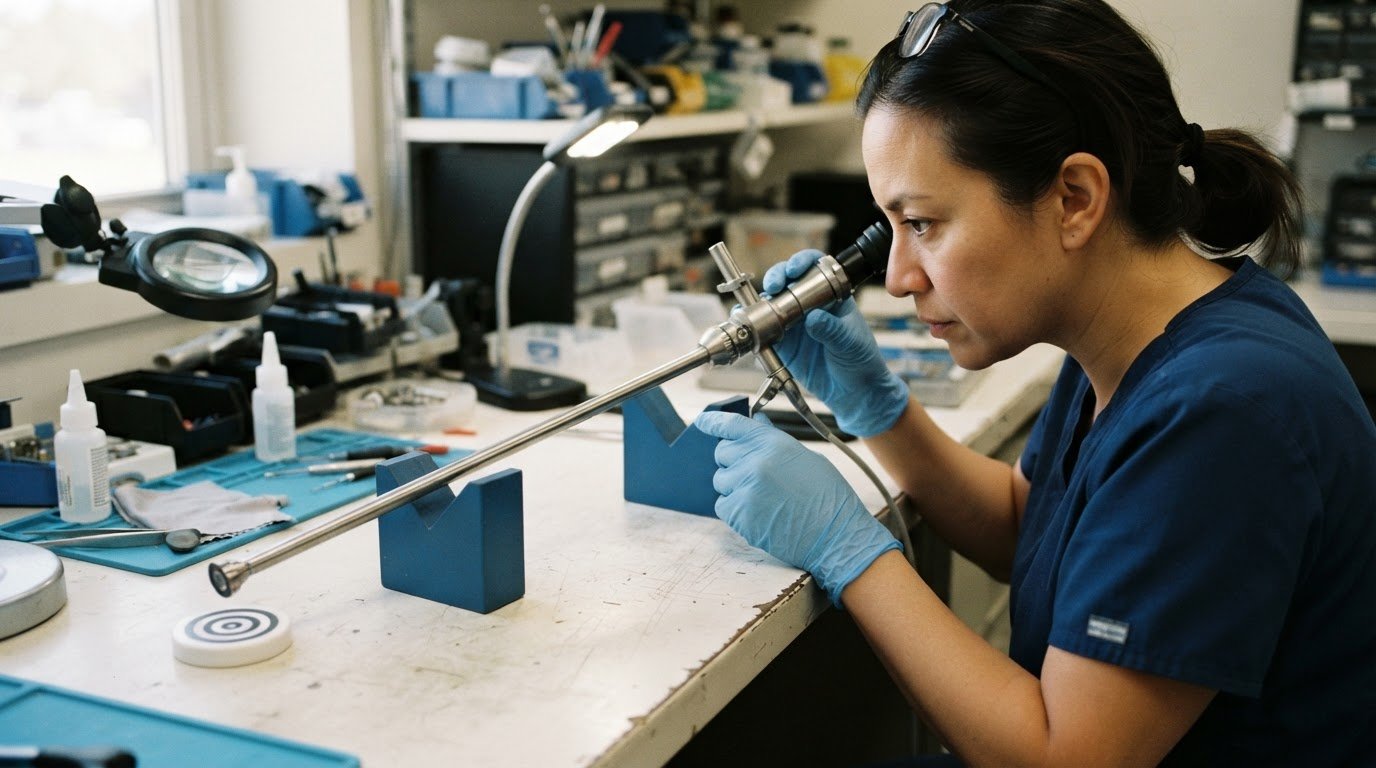
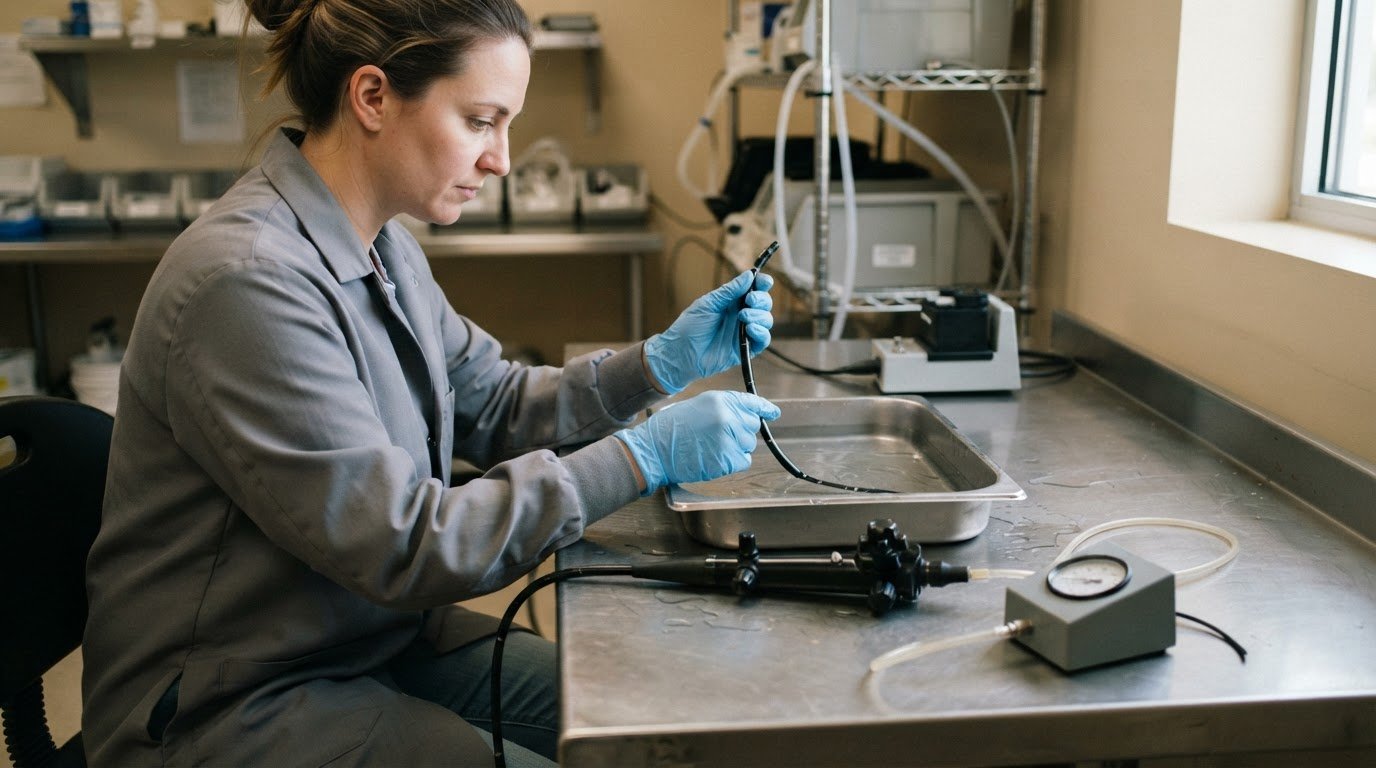
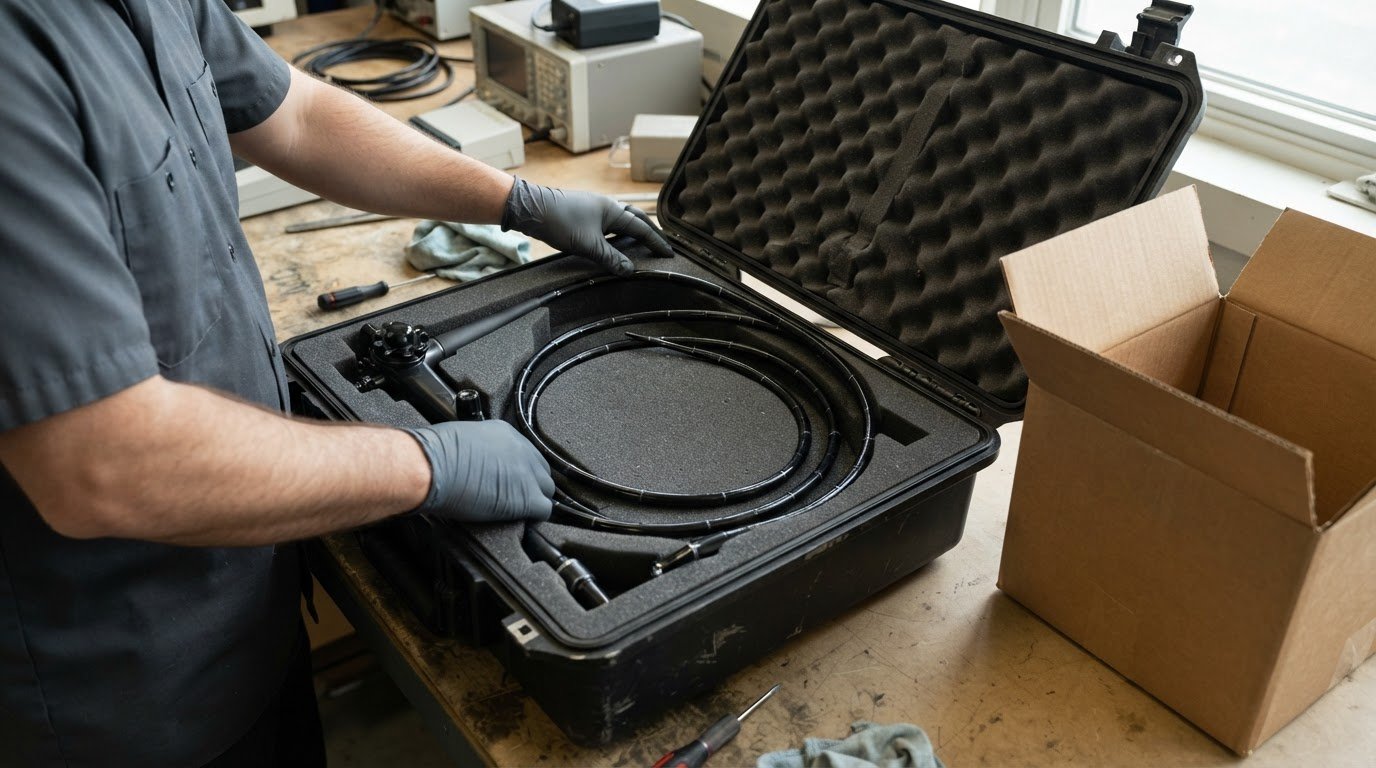
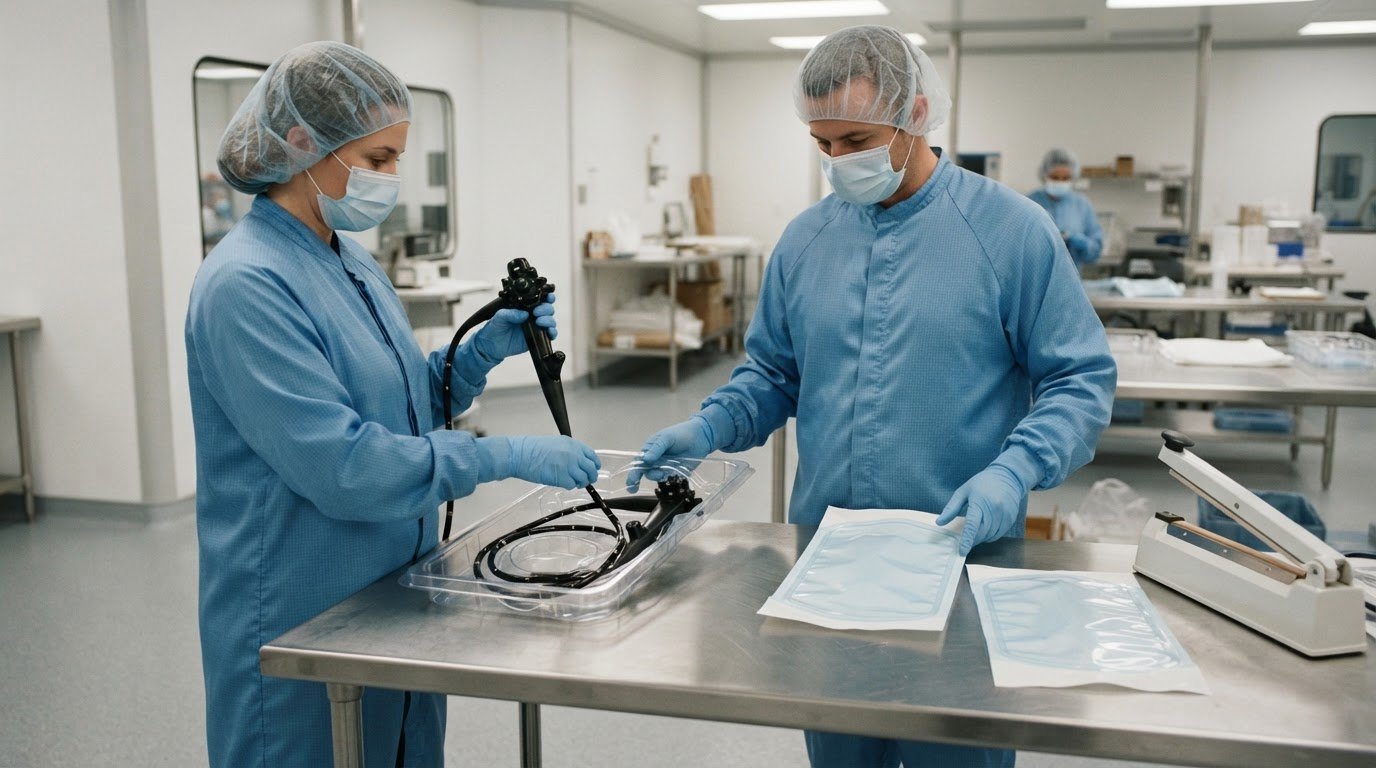
Fong’s also provides Endoscope Repair & Refurbishment for organizations managing reusable endoscopes. Whether your priority is device development, assembly, OEM production, or endoscope refurbishment, contact Fong’s Engineering & Manufacturing Private Limited to discuss your requirements.
Set the Next Development Milestone
Consider where external expertise could have the greatest impact on your program. Start with the milestone currently constraining progress, such as refining a design, preparing validation, or aligning production requirements. Then define the technical decisions, resources, and responsibilities needed to reach it.
This focused approach makes the benefits of an end-to-end medical device CDMO relevant to your project, rather than an abstract comparison. It also gives both teams a practical basis for discussing scope, collaboration, and how development and manufacturing should connect. Keep in-house capabilities central where they best support your goals, and use external collaboration to address specific gaps or changing demands.
A clear discussion of your device stage, project priorities, and intended manufacturing needs can establish a sound starting point for planning. Discuss your medical device project and identify a practical next step. With a defined milestone and aligned responsibilities, your team can move forward with greater clarity and confidence.
How Fong’s Engineering & Manufacturing Supports End-to-End Medical Device Development
Fong’s Engineering & Manufacturing Private Limited offers end-to-end CDMO services, from concept design, prototyping, and validation to large-scale production and regulatory support, including FDA and ISO 13485 compliance. Its services can support a product from initial concept and design through testing, clinical trials, and manufacturing.
Consider Fong’s when you need support spanning development and production. Keeping design and manufacturing within one CDMO can streamline design transfer and reduce the risk of errors, while using one partner can reduce operational costs associated with managing multiple external partners. Fong’s also manufactures complete medical devices under a client’s brand name using ISO 13485 certified processes.
Frequently Asked Questions
What Does CDMO Stand For?
CDMO stands for contract development and manufacturing organization. It combines development support with manufacturing services, unlike a traditional contract manufacturing organization focused primarily on production. In a medical device program, development can include design work, prototyping, and validation before production begins. The exact scope depends on the agreement, so the term describes an integrated operating model, not a fixed package of services.
Why Partner with a CDMO?
The benefits of an end-to-end medical device CDMO include access to specialized development and production capabilities without building every resource in-house. A partnership can also help teams coordinate decisions across a product’s lifecycle. For example, manufacturing input during design refinement can reveal assembly constraints before they become production issues. This model can suit organizations facing a capability gap, limited internal capacity, or a need to scale production.
What services does an end-to-end medical device CDMO provide?
An end-to-end medical device CDMO may provide concept development, prototyping, design validation, regulatory support, manufacturing, and packaging coordination. Depending on its capabilities and the contract, it may also support complete OEM devices under the customer’s brand. Relevant medical device categories include endoscopes, surgical instruments, and diagnostic equipment. The key distinction is the agreed scope: a CDMO may support selected stages or coordinate a broader product lifecycle.
What quality systems and ISO 13485 certifications should a medical device CDMO have?
A medical device CDMO should operate a documented quality management system suited to its manufacturing activities. ISO 13485 is the quality management standard for medical device organizations; assess whether the certificate’s scope matches the work being performed. Review how the system handles document control, process validation, risk management, and corrective actions. These elements help show how quality decisions are recorded and addressed throughout production.
How should a company evaluate and select a medical device CDMO?
Evaluate a CDMO against the device, project stage, and work package, rather than relying on a broad capability list. Compare relevant device experience, development and manufacturing resources, quality-system scope, and ability to support the required production model. Clarify ownership of design decisions, change reviews, documentation, and communication. A written scope assigning responsibilities and deliverables gives both organizations a practical basis for managing the partnership.