
A tray with lower-cost instruments can still carry a higher lifecycle burden. Labor, utilities, sterilization materials, and equipment depreciation all contribute to reprocessing costs, while tray size and workflow affect the total. A surgical instrument refurbishment cost analysis should look beyond the repair line item and consider the full cost of keeping instruments serviceable.
Reprocessing is a necessary part of the cost picture, and its impact varies among trays. The useful comparison is not simply repair versus replacement: instrument lifespan, repair needs, processing effort, and tray contents all shape the decision. This article explains how those factors interact, why labor and sterilization equipment matter, and how tray differences affect cost analysis. It also shows how refurbishment and repair fit into lifecycle planning, so you can assess costs with a clearer understanding of the work involved and the factors that influence long-term value.
Key Takeaways
- Separate reprocessing expenses from repair and replacement costs to see what is driving a tray’s total lifecycle burden.
- Compare instruments by expected service life and maintenance needs, not purchase price alone.
- Assess sharpening, repair, and refurbishment according to the instrument’s condition and required function.
- Review tray composition and instrument use to identify where redundant tools may add avoidable processing work.
- Estimate refurbishment costs by considering the work required, instrument condition, and tray-level processing factors.
1. Costs of instrument maintenance and sterilization
Instrument costs extend beyond purchase and repair. Each sterile processing cycle uses technician time, equipment, chemicals, and sterilization materials.
These figures help explain why processing frequency and tray composition matter. A tray that contains instruments used repeatedly carries a different workload from one assembled with tools that rarely leave the tray. A 24-minute industry benchmark for labor per tray cycle offers a practical reference point for reviewing sterile processing workflows. The relevant cost is not only the time spent operating equipment; it also includes setup, inspection, assembly, and documentation.
Inventory tracking connects those processing costs to instrument lifespan. Record each instrument’s identity, tray assignment, processing events, repairs, and replacement. The cited study reported an average of 35 reprocessing cycles per instrument per year. A cycle history makes it easier to identify frequently processed instruments, repeated repair needs, and items that go missing from trays. The U.S. Government Publishing Office describes VA sterile processing technicians as cleaning, disinfecting, assembling, and sterilizing reusable surgical instruments.
Compare repair with replacement by examining the instrument’s condition, required work, and the cost of a suitable new instrument. Repair can be cost-effective when its cost does not exceed the price of new surgical instruments. Also consider the instrument’s expected remaining use and whether it can perform its intended function after repair. A purchase-price comparison alone can overlook recurring processing and maintenance costs.
Errors and rework add another layer of cost. A missing, damaged, or malfunctioning instrument may require staff to locate a replacement, rebuild a tray, or respond during operating room preparation. These steps use sterile processing and operating team time, while incomplete inventory records make recurring problems harder to trace. Include rework and replacement events alongside routine processing in the same cost review, rather than treating them as isolated exceptions.
For a repair or refurbishment quote, the specific cost depends on the instrument’s condition, required work, parts, and functional testing. A case-specific quote provides the relevant estimate.
A comprehensive surgical instrument refurbishment cost analysis must include a thorough assessment of expected use. Workflow inefficiencies can increase indirect sterile tray reprocessing costs by 65%-210% above baseline. A University of Alabama-Birmingham study found steam-jacketed autoclaves used 44-50 gallons of water per cycle, compared with fewer than 2 gallons for non-jacketed models.
2. Instrument lifespan and replacement frequency
Replacement planning should reflect how an instrument performs across repeated procedures, not just its purchase price. These figures illustrate why facilities should track useful life alongside acquisition cost. Actual lifespan depends on instrument condition, use, processing history, inspection findings, and maintenance. Inventory records help the processing department identify when an instrument is approaching replacement, rather than waiting for a failure to disrupt operating room preparation.
Build a consistent review around each instrument’s identity, procedure use, repair history, and inspection results. Then compare its observed performance with the facility’s replacement criteria. Premium instruments can demonstrate life cycles of 500 to 1,000 procedures with proper maintenance. That range is a planning reference, not a substitute for condition-based assessment. Damage, declining function, or recurring repair needs may change the decision before an instrument reaches an expected cycle count.
Annual replacement savings depend on how accurately a facility identifies instruments that remain serviceable. An academic medical center’s annual instrument repair and replacement costs were more than double those of peer facilities. These examples point to the value of tracking repairs and replacements together. A processing department can use those records to identify recurring failures, evaluate maintenance patterns, and prioritize inspection of frequently used inventory.
For an I-XCHANGE instrument replacement program, base replacement decisions on documented condition and use rather than a blanket schedule. Review each instrument’s function, repair history, and contribution to the tray. An item that remains functional may be a repair candidate; repeated faults or a condition that prevents reliable use may support replacement. Keep the criteria consistent across facilities so that annual purchasing decisions reflect operational need rather than isolated requests.
Repair-versus-replacement decisions should compare the repair scope with the cost and expected service life of a suitable replacement. Include repeat repairs, time out of service, and the processing department’s inspection findings. A lower purchase price does not mean a lower lifecycle cost if the instrument requires more frequent replacement. Conversely, a premium instrument is not automatically the better choice if its condition or use does not support continued service. Patient care depends on instruments being available and functioning as intended.
To make the review actionable, group inventory by instrument type and usage pattern, then examine repair and replacement records together. This approach helps facilities identify where inspection or maintenance may extend useful life and where replacement is more appropriate. For a focused discussion of instrument refurbishment requirements, connect the review to the instrument’s condition, function, and repair history.
3. Surgical instrument sharpening, refurbishment, and repair
For reusable instruments, FDA and AAMI considerations depend on the device and reprocessing activity. Assess applicable device instructions, validated reprocessing, inspection, and functional checks as part of the refurbishment pathway.
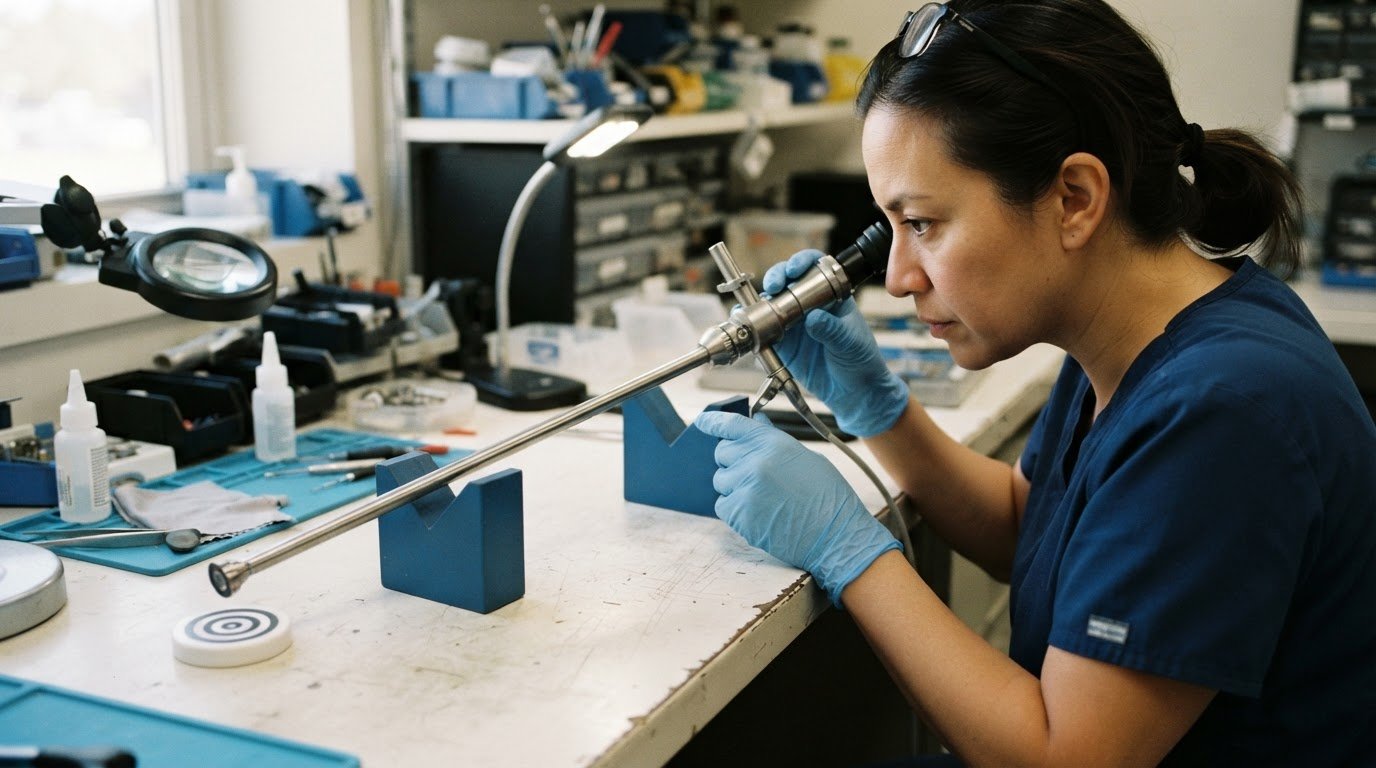
Professional refurbishment begins with assessing the instrument’s condition and required function. The U.S. Government Accountability Office describes refurbishment work as sharpening, adjusting, polishing, cleaning, realignment, and replacing lost, worn, or broken parts. Define which operations apply, then document the inspection and functional assessment after repair. Sharpening alone does not address a loose joint, misalignment, damaged surface, or worn component.
Repair can reduce replacement burden when the instrument remains suitable for its intended use. The comparison should consider repair scope, parts, functional testing, expected service life, and the cost of a suitable replacement. Market estimates say hospitals can save up to 50% by repairing instruments rather than buying new ones, but that figure is not a quote for a specific instrument. Cost savings depend on the actual condition and work required.
An instrument no longer supported by its original equipment manufacturer may still be repairable. Some repair services restore such instruments to OEM standards, but the work needs defined acceptance criteria. Document affected components, required function, parts replaced, and tests performed. This is especially relevant for positioning devices and retractor systems, where alignment, adjustment, locking, and stable positioning affect function during surgery.
Turnaround affects availability as well as repair planning. A five-day turnaround for non-urgent surgical instrument repairs and a 48-hour turnaround for urgent repairs are described as standard. These timelines are planning references; instrument type, damage, parts, and the repair scope influence the schedule. Facilities can reduce disruption by grouping non-urgent work and identifying critical instruments whose absence affects operating room readiness.
Pricing may be structured per item, through a service contract, or around repair volume. The appropriate model depends on repair frequency, instrument mix, inspection needs, parts, and functional testing. A case-specific quote should distinguish evaluation, repair work, replacement parts, and post-repair checks. This makes the estimate easier to compare with replacement and inventory costs.
Warranty terms should clarify the work and components covered, the coverage period, and any exclusions. A repair that changes function or uses unsuitable parts can create performance and compatibility risks; a documented scope and testing help define what was returned to service. For positioning devices and retractors, records should capture tested adjustments and mechanisms, not simply mark the repair complete.
FDA and AAMI considerations vary with the instrument and the reprocessing being performed. The refurbishment process should follow relevant device instructions and include validated reprocessing, inspection, and checks that confirm the instrument functions as intended.
4. Cost analysis across different surgical trays
Tray-level analysis shows why a single processing average can conceal meaningful differences. A GU minor tray reduced from 57 instruments to 35 represented a 39% reduction. These results connect tray composition with reprocessing workload, but each clinical set needs its own review. A sterile processing department can compare tray contents, processing frequency, and instrument condition to understand which factors drive its costs.
The circumcision tray provides another example. After the reduction, 3.2% of cases required an additional instrument to be opened. This illustrates a practical trade-off: removing redundant tools may reduce processing, while an overly narrow set can require extra preparation during operating room workflow.
These examples show why departments should assess each instrument tray separately instead of applying one reduction percentage across all clinical services. Tray purpose, actual instrument use, and the need to maintain an appropriate selection shape the analysis.
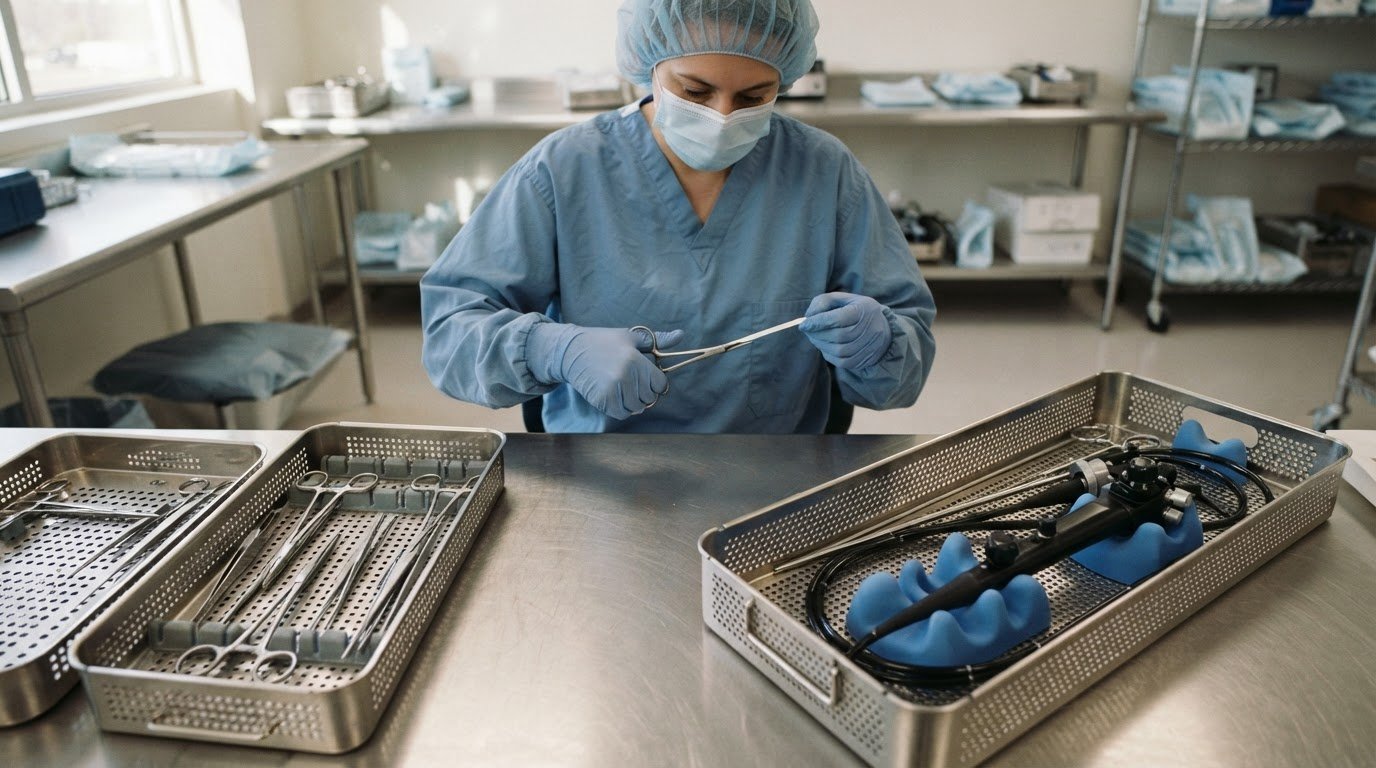
For a useful comparison, organize the review around tray identity and use. Record the instruments included, processing events, repairs, missing items, and any additional instruments opened during procedures. Then compare the processing burden before and after changes. A tray with frequent repair needs has a different cost profile from one dominated by redundant instruments. Separating these factors helps distinguish reprocessing savings from repair or replacement effects.
Broader optimization results can provide context, not a direct forecast for an individual department. Another estimate suggests optimizing trays and removing redundant tools can cut processing costs by 30% to 60%. Results depend on the trays reviewed and the changes made, so apply these figures as examples rather than guaranteed outcomes.
Keep clinical readiness central to every cost decision. A smaller tray may reduce processing work, but its contents must still support the intended procedure. Compare usage records with operating room feedback, then assess whether a change affects additional instrument openings or repair demand. This gives a sterile processing department a clearer view of each tray’s cost drivers and helps focus review where the greatest operational burden occurs.
5. What is the average cost to refurbish surgical instruments in the United States?
There is no single average that accurately represents refurbishment costs across U.S. surgical instruments. A quote for one instrument cannot automatically represent a different type, condition, or repair scope. Sharpening and repairing an instrument with worn parts require different work. For budgeting, distinguish the refurbishment estimate from routine cleaning, sterilization, and tray processing, which are separate cost categories.
The cost for a specific case depends on the instrument’s condition, required repair, parts, and functional testing. The estimate also reflects the work needed to restore its intended function. For example, a simple adjustment differs from realignment combined with replacement of damaged components. Use a case-specific quote for budgeting rather than applying a broad average to every instrument in a facility.
Instrument category matters because different designs require different repair assessments. A reusable hand instrument may need sharpening or adjustment, while a device with moving components may need additional inspection and functional checks. The number of affected instruments also shapes the work. A single-item repair and a batch containing several instrument types require different assessments and documentation.
Separate service costs from lifecycle comparisons. Weigh a repair estimate against the cost of a suitable replacement, the instrument’s condition, and its expected continued use. A repair that restores function may suit one instrument, while extensive damage or repeated faults can change the decision. Record the reason for repair, work completed, parts replaced, and post-repair assessment for future budget reviews.
For a U.S. facility, a practical estimate process starts with an inventory of instruments requiring attention. Group items by type and reported fault, then describe the required work and function. Include the quantity, inspection findings, and relevant repair history. These details help define the scope before cost is assessed and make estimates for different instrument groups easier to compare.
Keep estimates transparent by separating evaluation, repair work, parts, and testing when the quote provides those details. This structure helps a hospital distinguish repair expenses from routine processing and replacement planning. It also supports consistent annual reviews: compare completed work with the original scope, then note recurring faults by instrument type. A single average cannot capture these case-specific differences.
To discuss the factors affecting a refurbishment estimate, share your instrument refurbishment requirements for a case-specific quote.
A single average cost does not represent U.S. surgical instruments as a whole because the price depends on condition, repair scope, parts, and testing. Use a case-specific quote to estimate the cost.
Fong’s Engineering & Manufacturing Private Limited: Endoscope Repair & Refurbishment
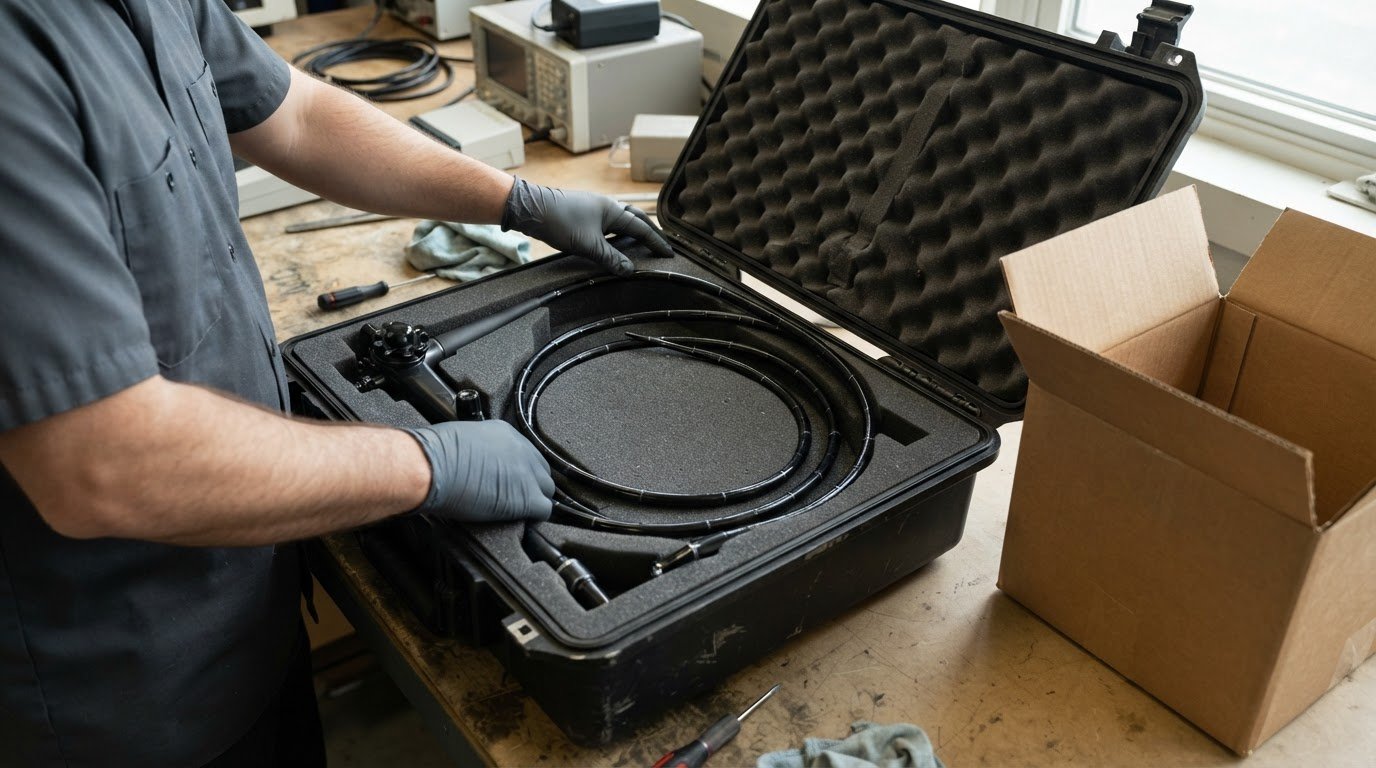
Fong’s Engineering & Manufacturing Private Limited provides Endoscope Repair & Refurbishment for reusable endoscopes and other surgical instruments. This service is relevant when instruments need professional repair or refurbishment and lifecycle decisions depend on their condition and required function.
For broader medical device development and production, its CDMO Services and OEM Solutions support work from concept design through manufacturing. Micro-precision Components serve projects requiring precision-engineered parts. Each offering addresses a distinct need, from maintaining reusable devices to supporting medical device development.
To discuss your instrument repair or refurbishment requirements, contact Fong’s Engineering & Manufacturing Private Limited.
Turn cost findings into a lifecycle plan
Make refurbishment decisions part of a defined instrument lifecycle process. Establish consistent review criteria for condition, function, repair history, and replacement, then align procurement, clinical teams, and sterile processing around them. This gives each decision a clear operational basis and helps teams use the same information in future budget planning.
A practical surgical instrument refurbishment cost analysis also depends on clear ownership of records. Assign responsibility for capturing inspection outcomes, completed work, and decisions to return instruments to service or replace them. Over time, these records can help identify recurring needs and guide planning across instrument groups without treating every tray or device as identical.
For reusable endoscopes and other surgical instruments requiring repair or refurbishment, Fong’s Engineering & Manufacturing Private Limited offers Endoscope Repair & Refurbishment. Its CDMO Services and OEM Solutions address separate medical device development and manufacturing needs. Identify the requirement most relevant to your project, then define the scope and intended outcome.
Contact Fong’s Engineering & Manufacturing Private Limited to discuss your requirements. A well-defined next step can support more deliberate lifecycle planning.
Frequently Asked Questions
How Do Labor, Utilities, and Sterilization Equipment Increase Reprocessing Cost?
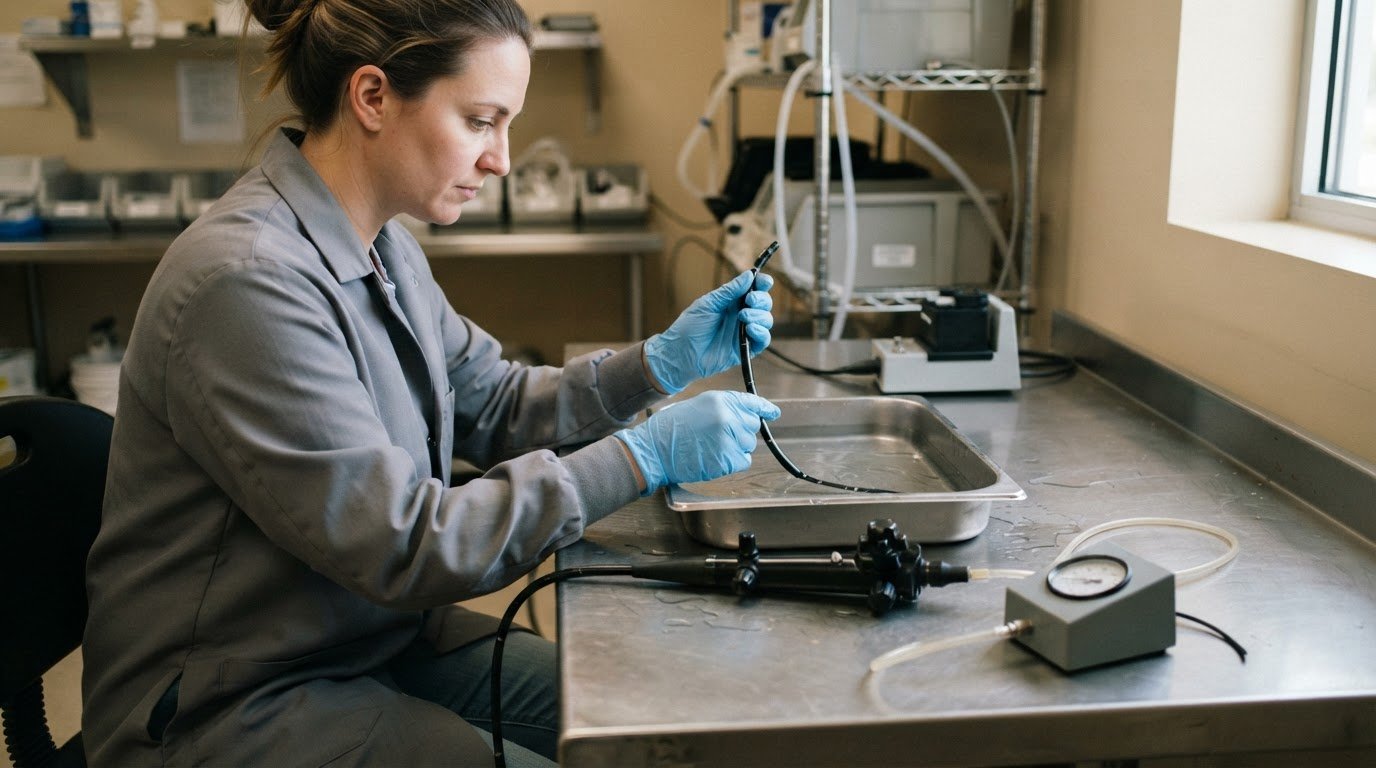
They add costs through staff time, resource consumption, equipment use, and maintenance. Technicians handle receiving, inspection, assembly, loading, and documentation, while equipment and utilities support processing cycles. To understand each contribution, separate direct labor and consumables from equipment-related expenses, then allocate them consistently across cycles or trays. This shows how workflow and equipment utilization influence the cost assigned to each instrument set.
How Do Packaging Materials, Tracking Systems, and Sterile Instrument Storage Add to Expenses?
Packaging materials add recurring costs whenever instruments are prepared for storage or distribution. Tracking systems also require tools and staff time to record instrument identity, location, and movement. Storage adds operational demands because sterile items must remain organized, identifiable, and protected until needed. A facility can review packaging consumption, tracking tasks, and storage practices separately to find avoidable handling or materials use without confusing these expenses with repair costs.
How does refurbishment cost compare with buying new surgical instruments?
Refurbishment may cost less than replacement when the required work is limited and the instrument remains suitable for use. Compare the repair scope, parts, and testing with the cost of purchasing and introducing a replacement. For example, localized wear may call for a different decision than damage affecting essential function. Include changes to tray configuration and inventory records in the comparison, so the decision reflects operational impact as well as immediate expense.
How can a professional refurbishment provider help hospitals calculate return on investment and lifecycle savings?
A provider can define the repair scope and document the work performed, giving hospital teams information for a lifecycle comparison. For the same instrument type, compare repair records with purchasing, processing, and use records over a consistent review period. The resulting surgical instrument refurbishment cost analysis can show how repair decisions relate to continued use and replacement patterns. The hospital’s own records provide the operational context for assessing return on investment.