A strong medical device CDMO partnership depends on alignment, not just manufacturing capacity. A CDMO can connect product development and manufacturing, supporting work from concept design and prototyping through validation, production, and regulatory support. Building a long-term partnership with a medical device CDMO means agreeing from the outset on information sharing, design and process readiness, contracts, and ownership.
An integrated partner can create continuity between development and manufacturing, reducing the handoffs your team must manage. The challenge is coordinating technical, quality, and commercial priorities. This article explains what a medical device CDMO does, how to prepare for a productive relationship, what contracts should clarify, and how an aligned partnership can support development through manufacturing.
Key Takeaways
- Share product and bill-of-materials information through agreed controls that protect sensitive details and support effective collaboration.
- Assess design maturity and manufacturing processes before deciding whether development, transfer, or production support is the right next step.
- Define responsibilities, deliverables, payment terms, and intellectual property rights clearly in the contract.
- Set out ownership and access arrangements for records, tooling, designs, and regulatory documentation, including what happens when an agreement ends.
- An integrated CDMO relationship can reduce handoffs between development and manufacturing while providing continuity as a device moves toward production.
1. Secure sharing of product and bill-of-materials information
Before sharing a device design, establish confidentiality and document-control procedures. Put a signed non-disclosure agreement in place before sending sensitive information to a manufacturing partner. Then define who can access each file, how revisions are approved, and how obsolete versions are withdrawn. For a device with a housing, circuit board, and supplied components, the bill of materials should identify every item, its approved specification, and its current revision.
Share information in a controlled package rather than as disconnected email attachments. Include design outputs, drawings, the bill of materials, acceptance criteria, and known manufacturing constraints. Assign an owner and revision identifier to each file. When an engineering change replaces a component, record the reason, affected documents, approval status, and release date. This keeps both organizations working from the same product definition and reduces the risk of building from outdated information.
Quality expectations also shape information exchange. According to the U.S. Food and Drug Administration, in the United States, 21 CFR Part 820 is the Quality Management System Regulation, including requirements in §§ 820.1, 820.3, 820.7, and 820.10. The U.S. Food and Drug Administration states that the FDA Quality Management System Regulation (QMSR) became effective on February 2, 2026, and incorporates ISO 13485:2016 by reference. These details make it important to align document controls and quality responsibilities with the applicable regulatory framework.
Risk information belongs in the shared technical record, not only in meeting notes. The International Organization for Standardization (ISO) identifies ISO 14971 as the risk-management standard referenced for medical device development work. Share known hazards, risk controls, and unresolved design questions alongside the relevant drawings or process steps. For example, if assembly pressure could affect a device’s performance, make the risk and its control visible to the engineering and production teams.
Information exchange should also support scale-up. A process that works in laboratory builds may need defined work instructions, inspection methods, and packaging controls before commercial production. Agree how pilot results, nonconformances, and process changes will be recorded and reviewed. This creates a traceable path from early manufacturing to higher-volume production while preserving the product requirements established during development.
Commercial-team involvement can connect launch planning with production readiness. Include commercial representatives in launch reviews when packaging, release timing, demand assumptions, or customer-facing product changes affect manufacturing plans. The contract should also clarify whether the manufacturer indemnifies the OEM for recall expenses or damages caused by defective products. Clear allocation makes the response process easier to understand if a defect affects released devices.
Define how product records and approved changes will remain accessible throughout the device lifecycle. Scheduled reviews can cover design updates, supplier changes, production learnings, and post-launch issues. This disciplined exchange supports innovation without losing control of the product definition, from initial builds through ongoing commercial manufacturing.
Assessing device design and process readiness
Manage design changes through a documented review that identifies affected requirements, drawings, risks, and manufacturing instructions. Engineering and quality representatives should assess each proposed change, approve its impact, and define when revised outputs take effect. Relying on one CDMO can concentrate production knowledge and capacity, so protect access to tooling, design files, and transfer records through contractual provisions and escrow arrangements.
Readiness depends on the device’s development stage. Design for manufacturing means meeting performance requirements while enabling efficient commercial production and managing quality risks. For example, a component may meet its drawing dimensions but still need redesign if assembly requires an impractical sequence or inconsistent operator judgment. Reviewing assembly steps, inspection methods, material choices, and process controls can reveal these issues before production planning advances.
Design transfer is the handover of design outputs to the operational team responsible for manufacturing. ISO 13485:2016 clause 7.3.8 addresses transfer of design and development outputs to manufacturing. Formal transfer is necessary whether development and manufacturing occur within one organization or across separate companies. The transfer package should connect approved specifications to work instructions, inspection criteria, equipment requirements, and acceptance records.
Use a readiness review to identify unresolved issues before moving to the next stage. For a device with several assembled components, assess whether specifications are complete, process steps are repeatable, inspection methods can detect relevant defects, and records support production decisions. Assign an owner, an action, and an approval point to each gap. This turns a broad readiness discussion into a controlled set of engineering decisions.
Escrow can help protect continuity if a disruption affects access to essential design files or tooling. Define what files and tooling are covered, the release conditions, and how current versions are maintained. The arrangement should support practical transfer, not just storage. A receiving team needs usable documentation and a clear way to reproduce the validated process.
For a focused review of design transfer and complex device assembly readiness, discuss your project requirements with the team. Early engineering collaboration can clarify which development tasks must be completed before production planning proceeds.
3. Contract roles, responsibilities, deliverables, pricing, and intellectual property
Set up a master agreement for the relationship, then add a statement of work for each project phase. This separates standing terms from specific deliverables, schedules, and acceptance criteria. A development statement can define design outputs; a production statement can specify batch records and release documentation. Name internal and supplier owners for each output. Specify review windows, approval authority, and how change requests affect scope.
For FDA QMSR and ISO 13485 work, a quality agreement should assign quality-system interfaces, document control, nonconformance handling, change notification, audit access, and record retention. ISO 13485:2016 clause 7.4 calls for supplier controls proportionate to risk, so oversight should reflect device risk and outsourced activities.
Define KPIs and service-level agreements around observable deliverables, not broad promises. Possible measures include milestone completion, document revision errors, nonconformance closure, and responsiveness to engineering changes. Specify the measurement method, data owner, review cadence, and escalation route in the contract. For example, review overdue corrective actions alongside lot acceptance and engineering-change status. This grounds performance discussions in shared records and agreed criteria.
Pricing depends on scope, development stage, production volume, and documentation needs, and is provided after a quote request. Set payment triggers against defined deliverables, such as design-transfer completion or regulatory submission. If clinical or regulatory milestones affect payment, identify who supplies supporting evidence and who approves it. State how dependencies or agreed scope changes affect delivery dates, so internal teams can plan without relying on informal assumptions.
Intellectual-property terms should distinguish pre-existing assets from project-created work. Identify each party’s background designs, software, processes, and know-how, then define permitted use during and after the project. Address ownership or licensing of new designs, tooling, process documentation, and modifications. Specify who may access controlled files and what happens to them when the agreement ends. These provisions help distinguish permission to manufacture devices from ownership of the design.
Assignment controls matter during a merger, acquisition, or corporate restructuring. Require prior written consent before either party assigns the contract, and define notice procedures for ownership changes. State whether an acquiring organization must assume confidentiality, quality, supply, and record-access obligations. Establish a response if consent is denied, such as a controlled transition plan for open orders and records.
Contract governance gives teams a defined route for resolving operational challenges. Establish a decision log and escalation path for scope changes, supply interruptions, and quality concerns. Assign an owner and due date to every recorded issue. For clinical milestones, specify which party provides documentation, who reviews it, and how delays affect connected deliverables. Align these terms with the project’s quality agreement and statements of work so commercial commitments match operational responsibilities.
4. Ownership of records, tooling, and intellectual property
Separate ownership from custody in the agreement. A manufacturing partner may hold controlled production records, while the device company retains defined rights to access and use them. Name the record types, such as device history records, inspection results, process validation documents, and approved drawings. State who maintains each record, how revisions are controlled, and how copies are provided during routine reviews or a transfer.
Define tooling terms precisely. Identify each mold, fixture, test adapter, or assembly tool by description and project, then state who paid for it and who owns it. Specify permitted use, maintenance responsibilities, storage conditions, and access arrangements. For example, do not reassign a customer-owned fixture used for one device program to another program without written authorization.
Define background intellectual property before work begins. Each party should identify pre-existing designs, software, manufacturing methods, and technical know-how brought to the project. Then describe the limited rights needed to perform the contract, such as using a customer drawing to manufacture a specified device. This distinction protects existing capabilities while allowing the production team to complete the agreed work.
Treat project-created intellectual property separately. State how the agreement handles new designs, process improvements, test methods, and modifications to existing tools. Specify whether each item belongs to one party or is licensed for defined uses. A practical schedule can link each deliverable to its creator, owner, permitted use, and applicable confidentiality controls. This gives engineering teams a clear path when a design change builds on earlier work.
Protect sensitive information with operational controls as well as contract language. Limit file access by role, use approved storage locations, and document authorized transfers. Set subcontractor access rules and require equivalent confidentiality protections before information moves downstream. For a critical design package, identify approved recipients and record each release. These steps help prevent accidental disclosure without obstructing necessary engineering collaboration.
Address flexibility if the relationship changes or ends. Define how current records, customer-owned tooling, and licensed materials will be returned, retained, or transferred. Include a process for reconciling open work and identifying the latest approved versions. If the agreement covers both medical-device and pharmaceutical activities, separate the relevant project records and intellectual-property schedules. Clear boundaries support continuity without treating distinct programs as interchangeable.
Align record access with the product lifecycle. Specify retention responsibilities, access for quality investigations, and support for an orderly manufacturing transition. A receiving team, for example, needs relevant process instructions, tooling details, and current acceptance criteria to continue production. Define how the parties resolve disputes about ownership or use, while preserving the ability to maintain supply as those questions are addressed.
5. Benefits of CDMO partnerships
An integrated CDMO can connect product development with manufacturing and reduce handoffs between separate teams. When design engineers and production specialists work from shared requirements, manufacturing constraints can inform decisions earlier. For example, teams can refine an assembly sequence identified during development before finalizing production instructions. This continuity supports clear ownership of technical decisions throughout the device lifecycle.
That connection can also streamline operations. A medical device company can access development and production capabilities without building every facility or acquiring every piece of equipment internally. It can then direct internal resources toward clinical strategy, product innovation, or market development. The benefit depends on matching outsourced work to the organization’s needs, rather than transferring activities without clear responsibilities.
Pilot production bridges development work and sustained manufacturing. Small batches can support design validation, clinical trials, or early market entry while teams assess process performance and production records. Lessons from those builds can inform work instructions, inspection methods, and capacity planning. Carry relevant learning forward, but do not assume pilot processes automatically translate to commercial scale.
Integrated support can reduce fragmented coordination across related activities. When a project includes manufacturing, packaging, and regulatory support, aligned planning can connect product specifications with release documentation and launch timing. A shared schedule also helps commercial teams coordinate customer-facing launch plans with production readiness. Clear interfaces remain essential, especially when a packaging change affects manufacturing instructions or distribution plans.
Partnership problems often stem from mismatched goals, slow communication, unresolved risks, or unclear decision authority. Reduce the risk by setting realistic milestones, holding regular project reviews, recording decisions, and assigning owners to risks and corrective actions. For example, a supplier change should trigger an agreed impact review, not an informal update that reaches engineering only after production planning.
A CDMO relationship can support continuity as demand and product requirements change. Teams can review production performance, open quality issues, and planned design updates together, then adjust priorities through documented decisions. Regular reviews help surface capacity or compliance concerns before they disrupt supply. They also give the commercial team visibility into constraints that could affect launch commitments or customer communications.
The clearest measure of success is whether the partnership advances defined product and operational goals. Align the scope with the device’s current stage, then maintain oversight of deliverables, risks, and supply needs. For complex device assembly planning, discuss your project requirements and the production challenges the team needs to address.
Fong’s Engineering & Manufacturing Private Limited: CDMO Services
Fong’s Engineering & Manufacturing Private Limited supports medical device projects that need coordinated development and manufacturing. Its CDMO Services span concept design, prototyping, validation, large-scale production, and regulatory support, including FDA and ISO 13485 compliance.
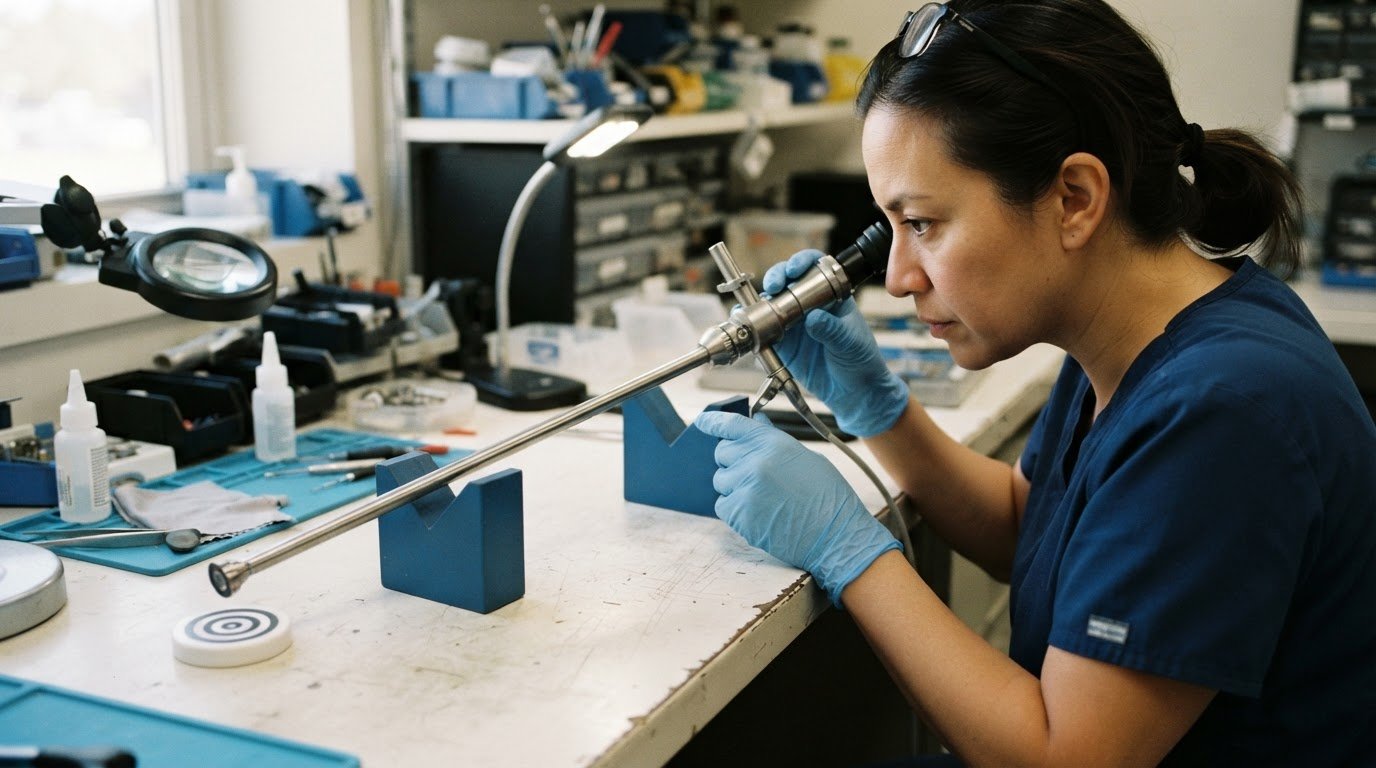
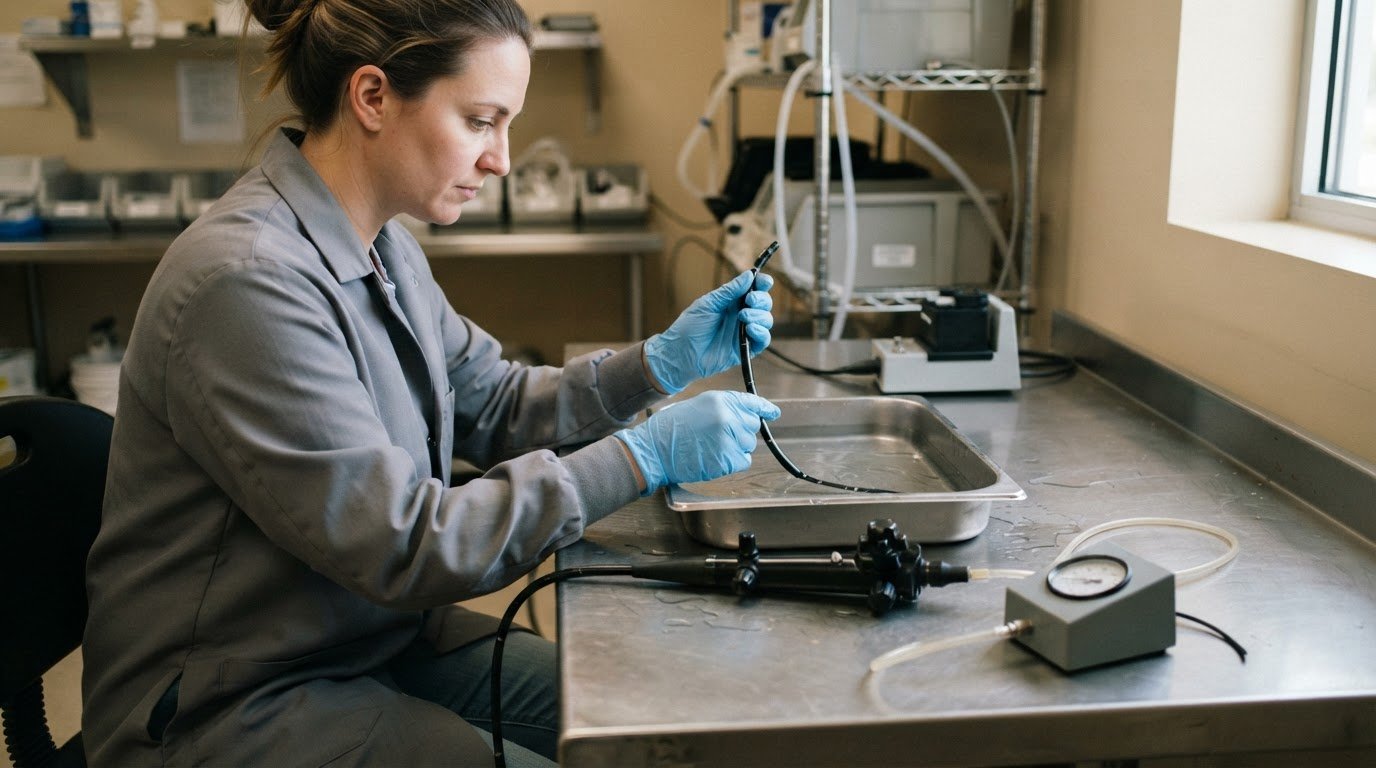
For projects that need integrated product assembly or production under an established brand, Complex Device Assembly and OEM Solutions may fit the manufacturing scope. Endoscope Repair & Refurbishment addresses a different need: maintaining reusable endoscopes and surgical instruments through repair and refurbishment.
These capabilities can help device teams define a development pathway, prepare for production, or support reusable instruments. Share your project requirements with Fong’s Engineering & Manufacturing Private Limited to discuss the next step.
Set the next stage of collaboration in motion
Building a long-term partnership with a medical device CDMO is an ongoing operating decision, not a one-time supplier appointment. As a device moves through its lifecycle, new requirements can shift priorities, production plans, or the support teams need. Treat each major product milestone as an opportunity to revisit shared objectives and align future work with the device roadmap.
Start by identifying the upcoming decision that will shape your program, such as a design update, a production transition, or planning for continued supply. Bring relevant engineering, quality, and commercial stakeholders into the discussion early. A clear view of the next milestone helps both teams focus resources, coordinate decisions, and maintain continuity as the program evolves.
Fong’s Engineering & Manufacturing Private Limited can discuss how its services align with your medical device program. Contact Fong’s Engineering & Manufacturing Private Limited to discuss your next step and continue building a productive working relationship.
Frequently Asked Questions
What is a Medical Device CDMO?
A medical device CDMO supports product development and manufacturing under a contract relationship. Depending on the agreed scope, it can contribute engineering, prototyping, validation, and production capabilities. This differs from a manufacturing-only arrangement when a project also needs development expertise. For example, a company developing a surgical instrument may need help refining its design before establishing a repeatable manufacturing process.
How does the best fit change as a program matures?
The right support depends on the program’s main unresolved work. A changing design may need engineering input and prototype evaluation, while a validated design may need process transfer or production scale-up. Make the transition explicit with stage gates for approved design outputs, process evidence, and production records. This helps prevent a development scope from continuing after the program’s primary need has shifted.
What does each partnership model usually perform?
A contract research organization (CRO) generally supports clinical research and trial operations. A contract manufacturing organization (CMO) focuses on manufacturing, while a contract development and manufacturing organization (CDMO) combines development and manufacturing support. These models address different needs: clinical study execution, production capacity, or integrated product development and production. For a device program, map the required work first, then choose a model whose scope covers those activities.
What should manufacturers look for when selecting a medical device CDMO?
Look for experience relevant to your device type and required processes. Assess completed work involving similar materials, assembly complexity, inspection needs, and production stages. Consider whether the partner can support the project’s progression from early builds to sustained production. Ask for clear examples of how engineering, quality, and manufacturing teams coordinate decisions instead of relying on broad capability statements alone.
How do medical device companies evaluate CDMO capabilities, quality systems, and regulatory compliance?
Evaluate capabilities through documented evidence, not labels alone. Review the quality system’s scope, training records, document controls, change management, nonconformance handling, and process validation records. For technical capability, examine inspection methods and equipment relevant to the device’s critical features. A structured assessment can compare each project requirement with evidence, identify gaps, and record agreed actions before production responsibilities begin.
What are typical medical device CDMO pricing models and contract terms?
There is no single pricing model for every project; charges depend on the agreed scope and work involved. A quote can be structured around development activities, production requirements, or defined project milestones. The contract should identify deliverables, payment triggers, assumptions, change-control procedures, and how additional work is handled. Separating development and production scopes can clarify which activities drive costs as the program advances.
How should a company structure a long-term medical device CDMO partnership agreement?
Use an overarching agreement for ongoing commercial and legal terms, with project-specific documents defining scope and deliverables. Include a quality agreement that allocates responsibilities for records, changes, complaints, and nonconforming product. Set governance routines to review performance, risks, and upcoming decisions. Address intellectual property, confidentiality, audit cooperation, assignment, termination, and orderly transition arrangements so operational continuity does not depend on informal understandings.
What are best practices for transferring medical device manufacturing to a CDMO?
Start with a controlled transfer plan that identifies the approved design baseline, process documentation, equipment needs, inspection criteria, and acceptance evidence. Assign technical owners to resolve gaps before manufacturing responsibility changes. Then use planned builds to confirm that transferred instructions and controls work in the receiving environment. Record deviations, approvals, and resulting revisions so the production team uses current, authorized information rather than inherited assumptions.