
Medical device security protects more than files. It helps safeguard proprietary designs, manufacturing data, and development work. Effective IP security measures at medical device CDMOs combine controlled access, activity monitoring, and confidentiality practices to reduce the risk of unauthorized disclosure or use.
Protection matters because development and manufacturing involve sharing sensitive information across teams, systems, and project stages. A lapse can expose intellectual property and disrupt the work of moving a device from design into production. Security also needs to address connected systems and operational requirements, not just document storage.
This article explains why medical device security matters and how access controls, monitoring, physical safeguards, and confidentiality measures help protect client IP. It also shows how these controls fit into development and manufacturing, so you can assess what a secure CDMO partnership should protect.
Key Takeaways
- Map where designs, manufacturing data, and connected systems could be exposed so safeguards address the full development and production workflow.
- Use role-based access, multi-factor authentication, and monitoring to limit who can reach sensitive information and help identify unusual activity.
- Define confidentiality, ownership, and usage rights for existing and newly developed intellectual property in the CDMO partnership.
- Include physical security, workforce practices, and system controls in a coordinated approach that protects IP without compromising device operations.
- Align security measures with the device lifecycle, from development and validation through manufacturing, while keeping patient safety in view.
Cybersecurity risks to medical-device and pharmaceutical IP
Cybersecurity risks can expose device designs, manufacturing records, and confidential processes to unauthorized access. Effective IP security measures at medical device CDMOs cover digital systems, connected equipment, external partners, and operational recovery.
Verizon’s 2024 Data Breach Investigations Report found that 68% of data breaches involved third-party vulnerabilities. For medical device manufacturers, a supplier’s compromised firmware or a vendor’s backdoor can create an entry point into connected systems. A medical device linked to a broader network may then provide a path toward other systems, increasing the potential impact beyond the original device.
Pharmaceutical environments face related risks. A data historian may store batch records, environmental conditions, and formulation recipes. Unauthorized access can expose proprietary information or enable changes to records. Compromised manufacturing programmable logic controllers could let attackers manipulate batch parameters, potentially affecting product quality. Network segmentation can reduce exposure by isolating sensitive systems from general IT networks and the internet.
FDA cybersecurity expectations include Section 524B and device SBOM requirements. Section 524B of the Food & Drug Omnibus of Dec ’22 (section 3305) has been enforced from October 2023. A software bill of materials helps identify software components and dependencies that may require security attention. Device teams should connect that inventory to vulnerability handling and product lifecycle decisions, especially where post-deployment patching may be difficult.
Partnership and M&A due diligence should examine how sensitive designs move between organizations. Before integrating systems or teams, review access permissions, information-sharing routes, incident escalation, and recovery procedures. Cyber insurance may address defined incident-related losses, but it does not replace safeguards or restore operations by itself. A resilience plan should identify who can isolate affected systems, preserve records, and maintain critical manufacturing activities if an attack disrupts production.
Third-Party and Supply-Chain Risks
Third-party risk arises when vendors, software components, or connected devices introduce vulnerabilities into development or manufacturing environments. A weakness in one partner’s system can expose shared data or create a route into connected operations. Map data flows, identify each partner’s access, and track software dependencies so security teams can prioritize remediation and maintain oversight.
CDMO Practices and Security Standards
CDMO security practices differ in how they control access, monitor activity, and document incident response. Buyers should ask how sensitive files are shared, how access is removed, and how suspected breaches are contained. ISO/IEC 27001 is a framework organizations use to map security controls; assess the controls and evidence behind a claim rather than assuming one certification guarantees compliance. The required measures depend on the information and systems involved.
Multi-factor authentication and real-time monitoring
Authentication controls who can access project files, while monitoring helps identify activity that needs review. Together, these controls provide a practical way to oversee access across development systems, devices, and connected networks.
Authentication and Client Access
Multi-factor authentication requires users to provide more than one form of identity evidence before access is granted. CDMOs can pair it with role-based permissions, giving employees and contractors access only to the files and systems needed for their assigned work. Update project access when responsibilities change and remove it when it is no longer needed. This limits unnecessary exposure without blocking authorized work.
For example, an engineer responsible for a device subsystem may need its design files, but not another project’s manufacturing records. A controlled access process can record who received permission, which systems they can access, and when permissions changed. Buyers should understand how exceptions are approved and documented. These controls make access decisions traceable and help teams apply consistent standards.
Device and Network Activity Monitoring
Activity monitoring records or analyzes events from devices, user accounts, and network traffic to identify unusual behavior. A sudden transfer of design files or an unexpected connection from a production device can prompt an investigation. To help manage and analyze this influx of operational data, organizations often implement smart automation tools from managed IT providers such as CX IT Services to flag anomalies and streamline incident alerts. Monitoring data can also map device communications and dependencies, helping security teams plan network segmentation without disrupting essential operations.
Passive monitoring observes network traffic without actively probing connected equipment. It can help teams understand communications around sensitive devices while limiting interference with operations. Start by mapping network segments and identifying the devices in scope. Then define which events trigger alerts, who reviews them, and how findings feed into existing risk management processes.
Post-market monitoring extends oversight beyond initial release. Teams can track newly identified vulnerabilities affecting software components, assess whether a deployed device or connected system is affected, and document resulting risk decisions. A software bill of materials (SBOM) can support this work by identifying software dependencies. A defined review process maintains visibility as components and threat information change throughout a device’s lifecycle.
Patent monitoring serves a different purpose from cybersecurity monitoring, but can complement IP oversight. Organizations can review patent publications and alerts for developments relevant to their technology, then route potential concerns to appropriate internal reviewers. Set alert criteria based on the technology area and jurisdictions of interest. A documented review process helps distinguish relevant notices from unrelated results and preserves a record of decisions.
For a project-specific discussion of how access and monitoring needs fit development work, discuss security requirements with the engineering team.
These safeguards can also support zero-trust practices: CDMOs should use multi-factor authentication and real-time monitoring to protect sensitive data. For healthcare organizations, real-time monitoring can flag unauthorized access, suspicious activity, and emerging vulnerabilities for review. Working alongside dedicated monitoring specialists such as CyberOne, teams can combine threat detection with existing risk management systems to support a timely response and reduce the risk of security breaches.
Continuous monitoring can help detect unauthorized data extraction and command-and-control activity targeting pharmaceutical data historians. It can also support efforts to meet FDA cybersecurity guidelines and HIPAA requirements through ongoing oversight and documentation. Strong authentication and encryption can help ensure only authorized medical staff access, change, update, or read medical IoT device data while protecting patient information.
Confidentiality and intellectual property protection
Confidentiality controls help preserve ownership and limit disclosure of designs, process knowledge, and manufacturing data. Effective protection combines clear rights, controlled information sharing, and safeguards suited to each asset.
Local IP Laws and Enforcement
For U.S. projects, intellectual property protections depend on the asset and the steps taken to safeguard it. The Defend Trade Secrets Act provides federal civil and criminal remedies for trade secret misappropriation. Maintaining safeguards when confidential information is disclosed can help show that it was treated as a trade secret.
Document who receives sensitive information, its permitted use, and the protections applied during disclosure. These records can help establish how confidential material was handled throughout a CDMO relationship. Patent timing also matters: U.S. patent applications generally publish 18 months after filing, potentially revealing a company’s research direction before a public announcement.
The America Invents Act replaced the U.S. first-to-invent patent system with a first-to-file system. Coordinate invention records and filing decisions with counsel before sharing technical details outside authorized teams. For example, a design review with an external partner should distinguish information approved for disclosure from unpublished technical details that remain confidential.
Protection of Digital Design Assets
Protect digital assets by limiting access to CAD files, source code, tooling designs, and manufacturing records, and encrypting information in transit and at rest. Maintain an asset record covering ownership, creators, licenses, timelines, validity, and relevant jurisdictions. This supports traceability when a design changes or a collaboration ends.
For shared work, define which product subsystems, specific bills of materials, approved manufacturer lists, and components the CDMO may access. Specify permitted use of existing IP and ownership of IP created through the partnership. These boundaries limit unnecessary disclosure while giving authorized teams the information they need.
Contracts should align confidentiality commitments with actual handling practices. Non-disclosure terms define obligations for confidential information, while documented access controls show how those obligations work in practice. Records of authorized recipients, transfers, and project changes help distinguish approved collaboration from unauthorized use.
Manufacturing records also need careful handling. A tooling design shared for production, for example, should be restricted to its authorized purpose and recipients. Laboratory notebooks should record the inventive process, show how an invention works as claimed, and support the patent application’s enablement disclosure. Together, these records help establish contributions and preserve relevant evidence.
Cross-border manufacturing can raise additional IP considerations. Under 35 U.S.C. § 271(g), importing into the United States a product made abroad using a patented U.S. process can constitute infringement. Documenting process ownership, permissions, and jurisdictions helps teams manage that exposure alongside technical confidentiality.
Medical device development and manufacturing
Medical device security needs to be built into development and manufacturing, not treated as a separate IT task. Controls must protect design inputs, validation evidence, production instructions, and device software while preserving the ability to build and test the product. The central challenge is coordinating confidentiality and operational integrity with patient safety throughout the product lifecycle.
At concept and design stages, teams handle CAD files, software, specifications, and risk records. A controlled baseline distinguishes approved design versions from working changes. During prototyping, access to source files should match each person’s role, while change records show what changed and why. This traceability links the tested configuration to the design and manufacturing information used to produce it.
The original equipment manufacturer remains the legal manufacturer and retains regulatory control of the device. That responsibility makes clear interfaces between the OEM and manufacturing partner critical. Project records should assign responsibility for design changes, validation evidence, production records, and security decisions. If a software component or manufacturing instruction changes, the parties need a documented process to assess its effect on the device and relevant records.
Quality systems and security controls intersect in routine production. ISO 13485 and FDA Part 820 are requirements manufacturers may expect a CDMO to support, while GxP, GMP, and GDP quality requirements overlap with security controls in life sciences. A production record, for example, must remain attributable and protected from unauthorized alteration. Controls should preserve the record’s integrity while allowing authorized staff to complete documented manufacturing work.
Risk analysis also connects cybersecurity decisions to device function. ISO 14971 is relevant to medical-device risk management, and security-related hazards can involve data exposure, loss of device availability, or changes to device behavior. Teams should assess threats against intended use and possible consequences, then document suitable controls and validation evidence. For a connected device, a safeguard that interrupts a life-critical process could introduce a separate safety concern.
Post-deployment design constraints matter during development. Medical IoT devices may be difficult or impossible to patch after deployment, so teams need to consider component vulnerabilities and update pathways before release. The intended environment, software dependencies, and maintenance approach all inform those decisions. If a change is required, teams should assess its effect on validated configurations and manufacturing instructions before implementing it.
Security planning should connect engineering, quality, manufacturing, and post-market teams through defined records and decision paths. This helps organizations respond to threats without losing control of validated production or device safety. Manufacturers should treat cybersecurity as a lifecycle engineering concern, with documented ownership at each transition from design through production and field support.
IP Security Measures for Medical Device CDMOs
Medical device CDMOs protect client designs and manufacturing data through coordinated digital, physical, and procedural safeguards. Controls should match the information being handled, the people who need it, and the work taking place.
A zero-trust approach verifies identities and limits access to the information each person needs for their task. This is especially useful when design files, bills of materials, and production records pass between client teams and manufacturing personnel. Permissions should reflect project responsibilities, and documented changes help keep them aligned as work shifts.
Practical controls can be organized around the information and its exposure points:
- Restrict access to client data according to role and project need.
- Use multi-factor authentication to strengthen identity checks for sensitive systems.
- Separate project work areas to reduce inadvertent disclosure between manufacturing activities.
- Train employees regularly on data-security practices and confidentiality obligations.
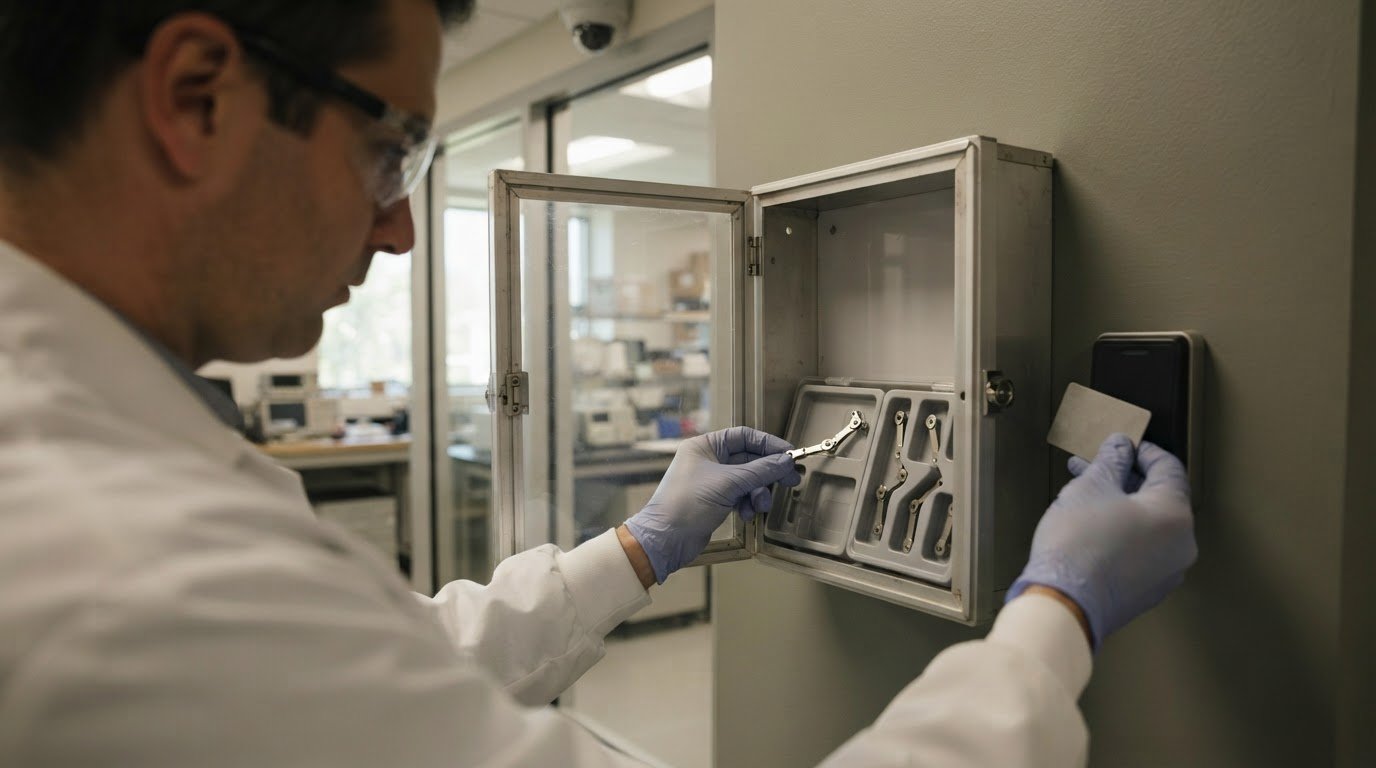
Physical protections matter alongside account controls. A dedicated workspace can separate an OEM’s product manufacturing from other activity at a contract manufacturer’s facility. Restricted entry, security personnel, and physical monitoring can help control access to that area. These measures are particularly relevant when staff handle proprietary tooling designs or inspect product assemblies during production.
People and process controls should address routine work, not just security incidents. Training can help employees recognize improper sharing, protect files during collaboration, and follow established handling protocols. Clear procedures also explain how to report suspected disclosure and preserve relevant records. Consistent practices reduce accidental exposure from misdirected files or informal conversations.
Information-sharing controls should let the OEM determine which product subsystems, specific bills of materials, approved manufacturer lists, and components are disclosed. This limits unnecessary exposure while giving authorized teams the information needed for their work. Confidentiality agreements and documented usage rights can clarify how existing IP and partnership-created IP may be used.
ISO/IEC 27001 provides a framework for mapping security controls, but a framework alone does not describe how a specific project is protected. Assess how controls apply to actual workflows, including access approval, physical entry, information transfer, and incident handling. Periodic review can identify gaps when project scope, personnel, or manufacturing processes change.
For complex device assembly, align information access and workspace controls with the product’s manufacturing requirements. Discuss complex device assembly requirements and the project information involved.
Fong’s Engineering & Manufacturing Private Limited: CDMO Services
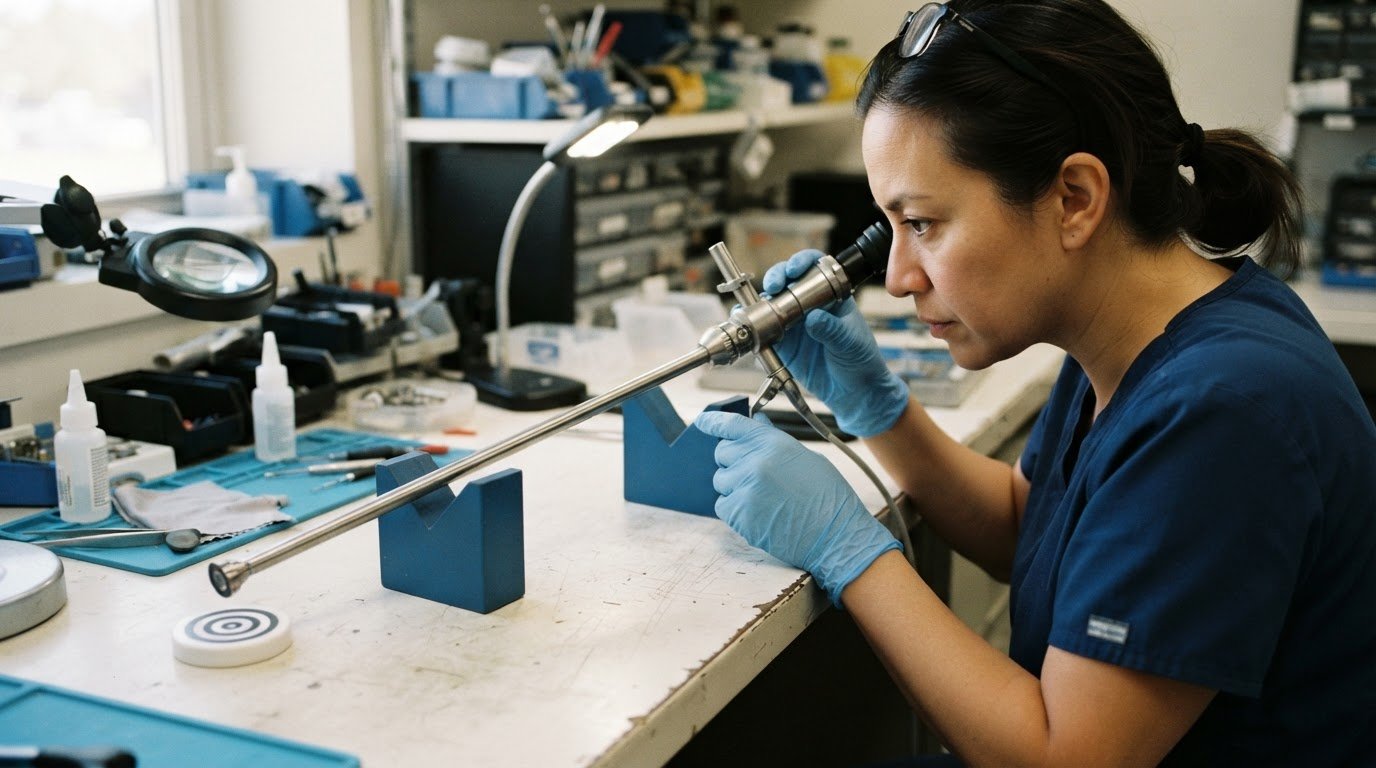
Fong’s Engineering & Manufacturing Private Limited supports medical device projects through CDMO Services, from concept design and prototyping to validation and large-scale production. Turn to the team when development needs to move into manufacturing or an OEM needs support with complex device assembly.
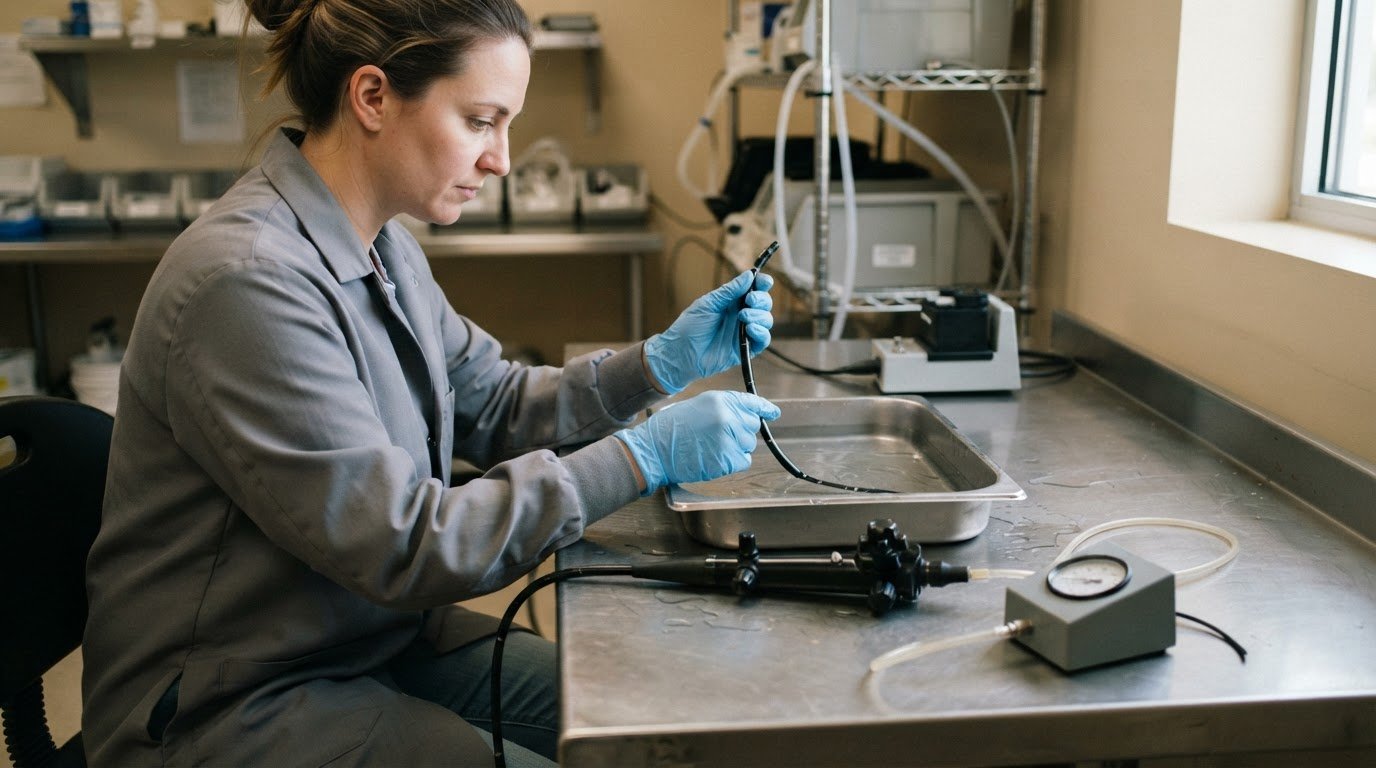
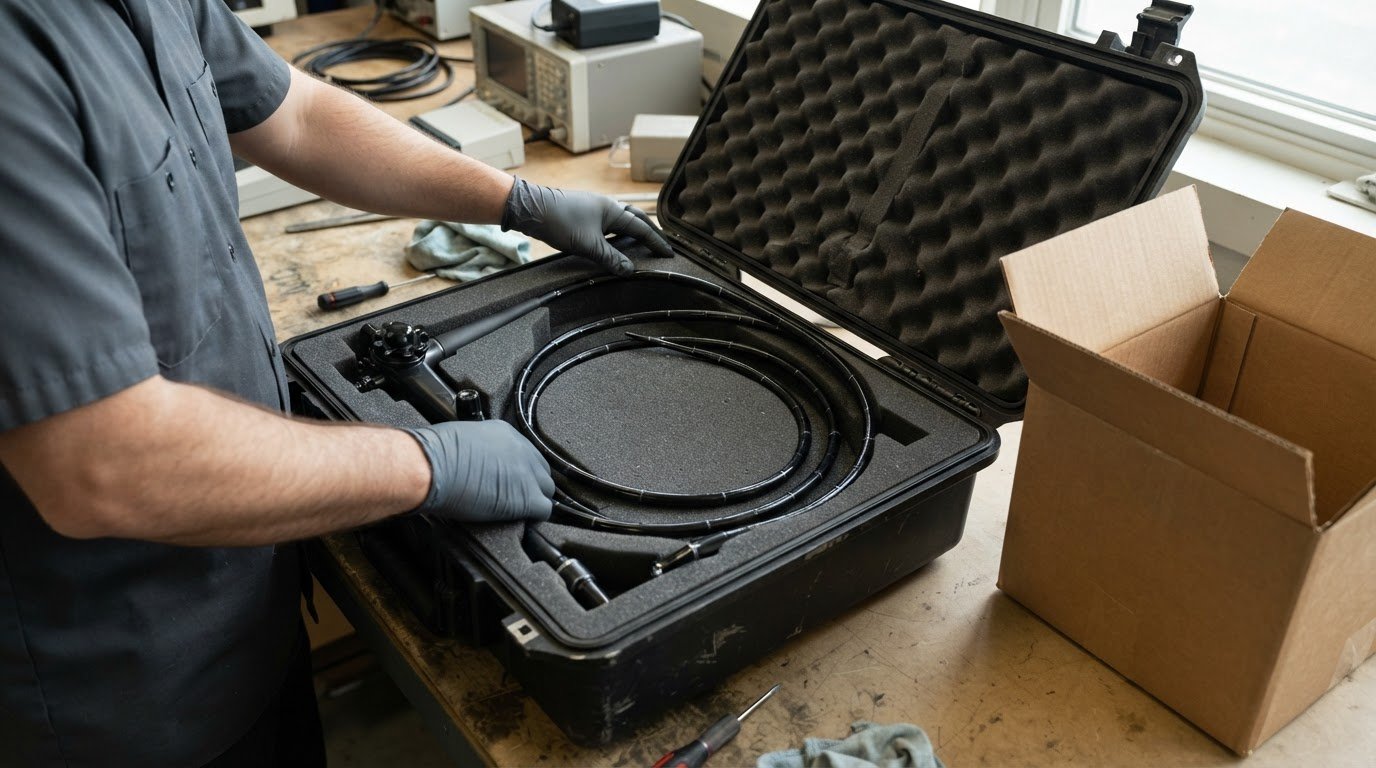
Its OEM Solutions support the manufacture of complete medical devices under a client’s brand, using ISO 13485 certified processes. Endoscope Repair & Refurbishment is also available for reusable endoscopes and other surgical instruments. These capabilities connect development, production, and device lifecycle needs within the company’s medical device manufacturing work.
For a project discussion, contact Fong’s Engineering & Manufacturing Private Limited.
Make security part of project governance
Set expectations for intellectual property protection before a development or manufacturing partnership begins. Make security part of project governance, with clear decision owners and review points that evolve with the work. This keeps security considerations connected to project changes rather than confined to a one-time assessment.
A disciplined approach to IP security measures at medical device CDMOs can support stronger collaboration by helping teams align on decisions when scope, personnel, or technical requirements change. Connect those expectations to the project’s engineering and manufacturing priorities so that controls remain practical as work progresses.
Fong’s Engineering & Manufacturing Private Limited offers a relevant partner for medical device development and manufacturing needs. Discuss your project with Fong’s Engineering & Manufacturing Private Limited and consider how its capabilities align with your next development stage.
Frequently Asked Questions
What contract terms protect intellectual property when working with a medical device CDMO?
Define ownership, permitted use, confidentiality, and access to project information in the agreement. Specify how the parties will treat pre-existing designs and materials, as well as ownership of newly developed work. Include terms covering subcontractor access, disclosure approval, project-file handling when work ends, and records of authorized use. Clear definitions distinguish licensed use for manufacturing from ownership or rights to reuse a design elsewhere.
How do U.S. trade secret laws and the Defend Trade Secrets Act apply to medical device CDMO relationships?
The Defend Trade Secrets Act provides federal civil and criminal remedies for trade secret misappropriation. In a CDMO relationship, identifying confidential information and applying internal safeguards can help show that it was treated as a trade secret. For example, a company can classify a process specification, restrict its distribution, and record authorized disclosures. Contract terms and operating controls work together, but neither replaces advice on a specific legal dispute.
What IP security risks arise when a medical device CDMO uses subcontractors or overseas facilities?
Subcontractors and overseas facilities can increase the number of people, systems, and jurisdictions involved in handling designs or manufacturing data. Each transfer may create exposure through excessive permissions, insecure file sharing, or unclear ownership and use rights. Before delegating work, define what information may be shared, the subcontractor’s permitted purpose, and how access and disclosures are documented. Local registration rules can also affect IP protection across countries.
How should medical device companies audit a CDMO’s IP security and cybersecurity controls?
Use a documented audit to test whether stated controls work in actual project workflows. Select a sample design file or manufacturing record, then trace its approved access, transfer history, and change records. Review how exceptions are authorized, subcontractor access is recorded, and suspected incidents are escalated. Compare the evidence with the agreement and project requirements, then record gaps, owners, and corrective actions for follow-up.