
A CDMO proposal can look complete while leaving important commitments undefined. When presenting a CDMO proposal to your board, assess whether it clearly defines the work included and excluded, deliverables, quality and regulatory responsibilities, milestones, budget assumptions, and project risks. A sound decision depends on making these elements visible and connecting them to your program’s longer-term goals.
A proposal should support a clear decision, not simply list services. Details matter: an undefined batch count, an unqualified timeline assumption, or unclear responsibilities can affect how the board understands scope, exposure, and required resources.
This article explains how to evaluate a proposal’s quality and compliance approach, interpret milestones and budget assumptions, examine risks and mitigations, and identify what the scope includes or excludes. Use this framework to present the proposal with its benefits, dependencies, and open decisions in view.
Key Takeaways
- Separate project-specific estimates by work package so the board can see what drives the proposed budget.
- Assess how the CDMO’s quality systems and regulatory approach align with the program’s requirements.
- Present milestones alongside their assumptions and dependencies to make schedule exposure easier to understand.
- Connect each material risk to a proposed mitigation, owner, or decision point.
- Clarify included deliverables, batch counts, exclusions, and responsibilities before the proposal is finalized.
What are the most important factors when evaluating a CDMO proposal?
Evaluate the proposal as an operating and financial case, not merely a capability statement. Compare project-specific estimates, continuity, digital readiness, and the people and facilities assigned to the work.
Project-Specific Cost Estimates
A project-specific estimate breaks the proposed work into defined activities, assumptions, and deliverables. This matters because the board needs to understand what each estimate covers before weighing the commitment. Compare work packages and check whether testing, development, manufacturing, and project management are described separately. Connect each estimate to a stated project requirement so scope changes have a clear basis for discussion.
Build the business case by comparing the proposed outsourced work with the internal resources, expertise, and activities the program would otherwise require. The U.S. Government Accountability Office identifies potential cost savings and access to needed skills and expertise as reasons organizations outsource critical but non-core functions. Present those considerations alongside the CDMO’s project-specific assumptions, rather than treating the estimate as a standalone total.
CDMO Financial Sustainability
Financial sustainability assessment considers whether a CDMO can continue supporting the program over its intended timeframe. It matters because an interruption in support can affect development and production plans. Review the proposal’s staffing and capacity assumptions, then relate them to your program’s expected duration. User requirements may specify support for a designated timeframe, usually 5 or 6 years, so long-term fit deserves attention during evaluation.
Use proposal discussions to understand how the CDMO plans to maintain the capabilities your program needs as it progresses. For example, assess whether its stated support covers both early-stage work and commercial-scale manufacturing when those stages form part of your partnership goals. Record dependencies in the decision materials instead of assuming current capacity demonstrates future continuity.
Facilities and Team Evaluation
A capabilities assessment compares a CDMO’s facilities, equipment, quality systems, and team expertise with project requirements. It matters because a proposal should connect technical claims to the resources expected to perform the work. Map each major project activity to a relevant facility capability and team function. This helps distinguish demonstrated fit from general claims of expertise.
Use the proposal as a starting point for technical discussion about project-specific experience and expertise. Ask how business and technical teams coordinate responsibilities, decisions, and issue escalation. Prompt communication between those teams can help indicate project management capability. Record evidence and gaps separately so subjective impressions do not replace objective selection measures.
Building the Outsourcing Business Case
An outsourcing business case explains why external manufacturing supports the program’s objectives and how the proposal addresses the work. It matters because board members must weigh strategic fit alongside operational demands. Frame the case around required capabilities, internal resource needs, and the CDMO’s proposed contribution. The U.S. Government Accountability Office identifies access to needed skills and expertise as a potential outsourcing benefit.
Digital readiness also belongs in the evaluation. In RFP evaluations, 92% of sponsors raise digital expectations, while approximately 60% of CDMOs operate at preliminary digital maturity levels. Describe the data access, reporting, and coordination your program requires, then assess the proposal’s response against those needs. This gives the board a specific basis for judging whether digital practices support oversight and project execution.
Quality systems and regulatory compliance
Assess whether the proposal connects its quality systems, regulatory responsibilities, testing plan, and timeline to your program’s requirements. In contract development and manufacturing, clearly assigned responsibilities make delivery risks easier to evaluate and the decision easier to explain to the board.
Questionnaires and Quality-System Evidence
A CDMO questionnaire records project requirements and helps assess whether the proposed operation can meet them. Testing may make up a substantial part of a project questionnaire, so review analytical methods, sample handling, and testing responsibilities alongside manufacturing activities. Each unanswered item should include an explanation rather than remain blank. This context helps the assessment team judge whether an information gap affects scope, quality, or timing.
Use the questionnaire to connect each requirement with the CDMO’s proposed process and supporting evidence. Review relevant regulatory audit findings, customer references, and facility information as part of due diligence. A capabilities audit compares facilities, equipment, quality systems, and team expertise with project needs. A recommended sequence is two to three capabilities audits, followed by one to two quality audits within a reasonable timeframe.
Timeline, Quality, and Risk Alignment
Quality review should account for dependencies that could affect the project timeline. Compare the proposed sequence of testing, review, and manufacturing activities with the responsibilities assigned to each party. If a step depends on client-supplied data or materials, make that dependency visible in the evaluation. This distinguishes a schedule assumption from a committed activity and shows where unresolved quality questions could affect progress.
Before a site visit, send the CDMO a clear set of proposal questions and comments so its team can prepare focused responses. Evaluate objective selection measures before weighing impressions from the visit. Use the proposal to guide technical discussion, while audit findings and references provide separate evidence about quality performance and operational fit.
Stability and Quality-Control Testing
Stability information supports planning for testing and laboratory services. It can help estimate those activities early, although the information may be provided later. Storage-condition data also helps the CDMO plan how active pharmaceutical ingredient or drug substance material will be stored before final drug-product manufacturing. Identify relevant materials, storage needs, and testing responsibilities in the proposal review.
For example, a proposed stability program may describe long-term storage at 25°C/60%RH, intermediate storage at 30°C/75%RH, and accelerated storage at 40°C/75%RH for up to five years. Treat these as program-specific conditions, not universal requirements. For complex device assembly, a focused discussion about testing responsibilities and quality documentation can clarify how proposed controls relate to the work. Discuss quality requirements for device assembly as you define project scope.
Presenting milestones and budget assumptions to the board
Present milestones and budget assumptions together, not as separate technical and financial summaries. A project-specific timeline should show key activities, decision points, dependencies, and possible delays. State the starting event clearly: “weeks from receipt of materials” is more actionable than an unexplained week count. This helps board members see what starts the schedule and which events could shift it. Link each milestone to the work package and budget assumption it depends on.
Separate forecast dates from the conditions behind them. For example, a first GMP batch estimate may fall between month 7 and month 9, depending on slot timing and reference standard qualification. Show those dependencies beside the milestone, rather than presenting one month as a firm commitment. If the proposal uses weeks from a starting event, include that event and explain how a delayed input affects later activities. The board can then distinguish the manufacturing organization’s planned sequence from decisions or deliverables still awaiting completion.
Make the budget traceable to the proposed work. For a proposal covering drug substance and drug product services, costs can be broken down by work package and molecule. Show the activities included in each package and link them to corresponding milestones. This structure helps the board see whether a change in a technical assumption affects the work, timing, or budget. Avoid relying on a single total, which conceals how resources are allocated across clinical and manufacturing activities.
A useful board summary distinguishes the proposed baseline from scenarios that could change it. For each major milestone, state the starting assumption, responsible party, and consequence of a delay. For each budget line, identify its linked activity and the conditions that define the estimate. For example, a reference standard qualification dependency should appear beside the first GMP batch milestone, not only in technical notes. This gives directors a concise way to discuss exposure and required decisions.
Close with the decision requested from the board and the proposal elements it authorizes. A manufacturing partner’s timeline and budget are easier to assess when they share the same scope boundaries and assumptions. Keep technical detail in supporting material, while the main presentation connects milestones, dependencies, and work-package estimates. When presenting a CDMO proposal to your board, this alignment helps directors evaluate the plan without mistaking a schedule estimate for an unconditional commitment.
Proposal transparency about risks and solutions
Outsourcing risks include legal, operational, and general business exposure, according to the U.S. Government Publishing Office. Mitigate them by defining responsibilities, documenting dependencies, and linking each material risk to a practical response in the proposal.
Outsourcing Risk Identification
A risk assessment identifies events that could disrupt delivery, quality, or the working relationship. It matters because a proposal that names only benefits gives the board an incomplete view of the decision. For example, a manufacturing delay may affect a later milestone, while unclear responsibilities can complicate issue resolution. Record the cause, potential impact, and affected work package for each material risk.
Review the request for proposal alongside the CDMO’s response to identify assumptions that could create exposure. Check whether the proposal explains the risks of accelerating project work, including the activities or dependencies affected. Technology transfer also warrants attention: approximately 50% of pharmaceutical technology transfers experience quality problems. Treat that figure as a reason to examine transfer controls, not as a prediction for an individual program.
Risk Mitigation Solutions
A mitigation plan assigns a response to each identified risk and clarifies who owns the next action. This matters because a risk without an owner or response cannot guide a board decision. For a delayed input, for example, the proposal can identify the dependent activity, the party responsible for the input, and the timeline consequence. Link that response to the relevant milestone and budget assumption.
Use proposal review meetings to resolve differences between stated assumptions and the intended agreement. Document decisions, remaining dependencies, and scope changes in the next proposal revision. If acceleration is proposed, require the risks and corresponding solutions to appear together. This gives directors a clear basis for weighing schedule benefits against operational and quality exposure.
Transparency also depends on access to relevant information and personnel. Access to the CDMO’s sites and management team can demonstrate openness during due diligence. Bring specific proposal questions to the meeting, such as how an identified production delay would be escalated or managed. Record the answer and its effect on project responsibilities. Clear records distinguish an agreed mitigation from a discussion point.
Before approval, align the risk register with the final proposal and agreement. Confirm that each major risk has a defined response, owner, and connection to affected work. For example, if a technical dependency threatens a milestone, the board summary should show both the dependency and the decision needed. This makes presenting a CDMO proposal to your board a review of managed exposure, not an unsupported assurance of risk-free execution.
Identifying what the CDMO proposal includes and excludes
A proposal defines the boundaries of development and manufacturing, not just the intended outcome. For a biotech program, those boundaries determine which activities, deliverables, and responsibilities the proposed work covers. Review inclusions and exclusions together: an activity absent from the scope can still affect the path to a usable drug product or its release.
Start with deliverables. The proposal should state the number of batches included and describe the work attached to each. Map each deliverable to its development stage and output. For example, distinguish a manufacturing batch from associated testing, documentation, or release activities. If the proposal names a drug product deliverable, identify the supporting tasks included and the interfaces that remain with your team.
Use a scope matrix to make boundaries easy to examine during board review. List each major activity, its owner, its output, and whether it is included, excluded, or dependent on another task. Apply the same structure to items such as:
- Development activities and the specific outputs expected from each.
- Manufacturing batches, including the batch count stated in the proposal.
- Testing and documentation connected to a deliverable or release decision.
- Inputs, decisions, or materials that the sponsor must provide.
- Work that requires a separate decision or proposal revision.
This format exposes gaps between the intended program and the proposed work. It also prevents broad phrases such as “manufacturing support” from standing in for defined activities.
Exclusions deserve equal attention. An exclusion may be reasonable, but its consequence should be clear. If a testing activity falls outside the proposed scope, show how that boundary affects responsibility, sequencing, and the overall deliverable. If sponsor-provided information is a dependency, identify the related task and explain what cannot proceed until that input is available. These distinctions help directors understand the proposal’s commitments and where further decisions may be needed.
Review final revisions as a scope-control step. CDMO project proposals commonly go through several rounds or stages of revision before finalization and signing. Use each revision to resolve ambiguous terms, reconcile batch counts with deliverables, and make exclusions explicit. Final revisions can clarify expectations and help prevent unforeseen costs. The board should see the final scope, not an earlier version with unresolved boundaries.
Fong’s Engineering & Manufacturing Private Limited can support medical-device programs through contract development and manufacturing services. Discuss your project scope and deliverables to clarify how the proposed work aligns with your development and manufacturing needs.
Fong’s Engineering & Manufacturing Private Limited: CDMO Services
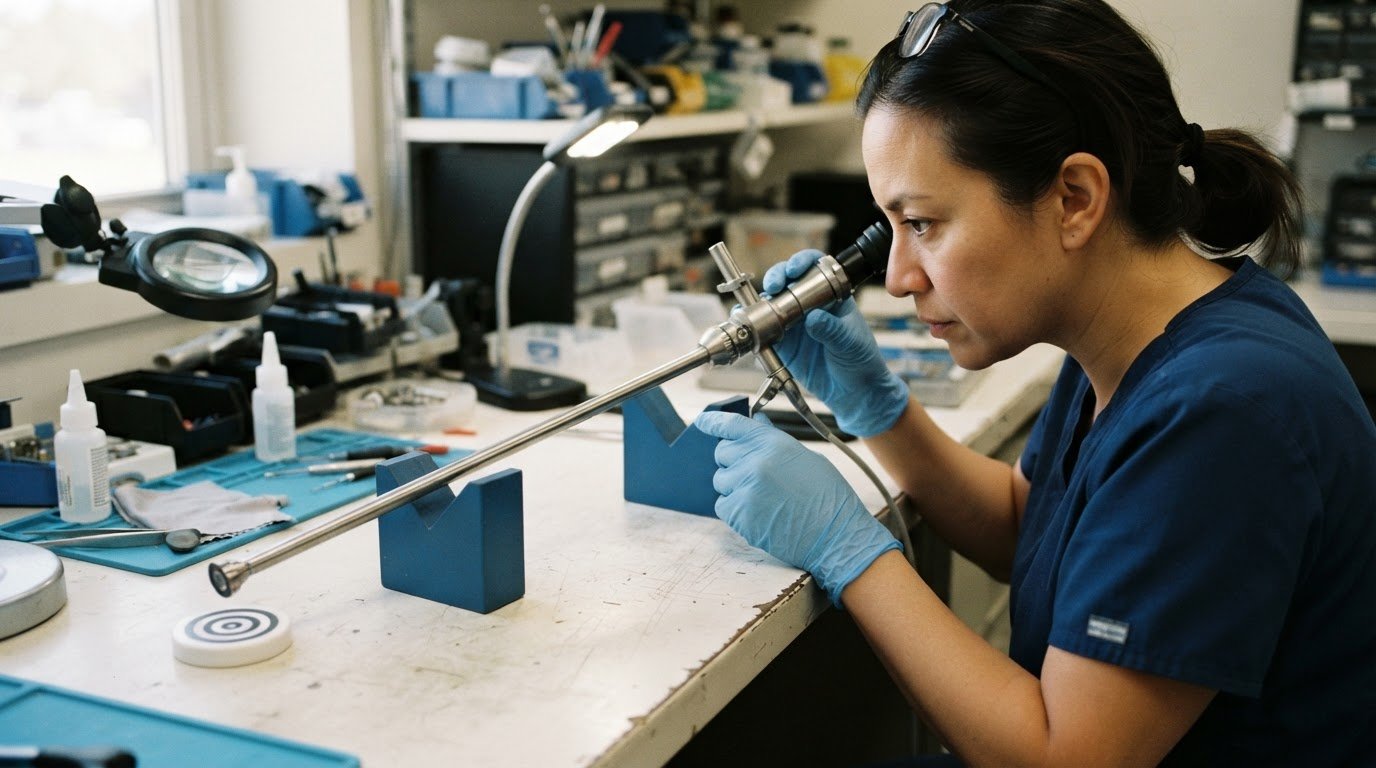
Fong’s Engineering & Manufacturing Private Limited supports medical-device programs that need coordinated development and manufacturing expertise. Its CDMO Services span concept design, prototyping, validation, large-scale production, and regulatory support, making them relevant when a project extends across multiple development stages.
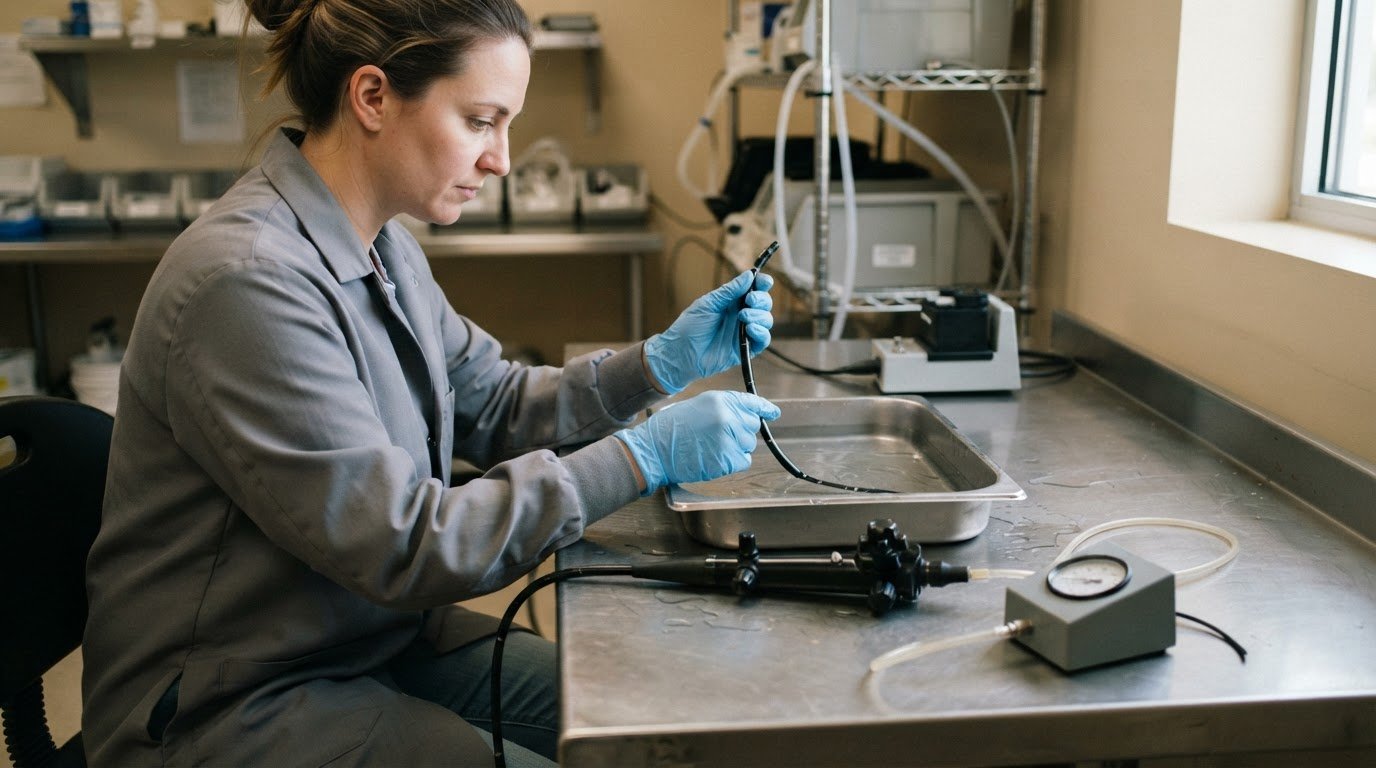
Turn to this support when defining a proposal’s scope requires alignment across technical development, validation, and production activities. OEM Solutions, Micro-precision Components, and Endoscope Repair & Refurbishment address distinct project needs, rather than substituting for a complete CDMO program. Matching the required work to the appropriate service helps clarify the next discussion.
For a project discussion focused on scope, deliverables, or manufacturing requirements, contact Fong’s Engineering & Manufacturing Private Limited.
Move From Proposal Review to a Clear Decision
For teams presenting a CDMO proposal to your board, turn unresolved points into explicit decisions. Identify which assumptions need approval, who owns each follow-up, and what information directors need before authorizing the proposed work. This keeps the discussion focused on decisions rather than reopening technical details without a clear purpose.
Fong’s Engineering & Manufacturing Private Limited offers CDMO Services and OEM Solutions for medical-device programs, as well as Endoscope Repair & Refurbishment. These offerings address distinct needs, from outsourced development and manufacturing to specialized device-related work. Align the discussion with the service relevant to your program and its defined scope.
To discuss project requirements and potential next steps, contact Fong’s Engineering & Manufacturing Private Limited. A focused conversation can help you clarify how your manufacturing requirements connect with the work under consideration. Move forward with a decision process grounded in clear responsibilities and project needs.
Fong’s Engineering & Manufacturing Private Limited for CDMO Proposals
Fong’s Engineering & Manufacturing Private Limited offers CDMO services from concept design, prototyping, and validation through large-scale production and regulatory support, including FDA and ISO 13485 compliance. It manufactures complete medical devices under a client’s brand name using ISO 13485 certified processes.
If your board supports moving forward with a CDMO partner, consider Fong’s when you are ready to discuss device scope and the services required. Its offerings also include OEM solutions, endoscope repair and refurbishment, micro-precision components, and complex device assembly.
Frequently Asked Questions
How can you ensure a CDMO proposal reflects your long-term partnership goals?
Translate long-term goals into capabilities, stages, and responsibilities the proposal can address. For example, if a program may move from development into commercial production, assess how the proposed operating model supports that transition. Define what continuity means for your team, such as retained technical knowledge, consistent project governance, and clear routes for changes. This turns a broad partnership ambition into criteria directors can assess and discuss.
Why is risk assessment essential before signing a CDMO agreement?
Risk assessment helps identify where responsibilities, dependencies, or operational changes could affect the program before the agreement fixes expectations. Consider a delayed material transfer: clarify its impact, who communicates the delay, and how related work is handled. Documenting these scenarios supports informed decisions about mitigation, escalation, and accountability. It also gives both parties a shared reference for addressing issues rather than relying on assumptions after work begins.
What should a CDMO proposal to a board include?
A board-ready proposal should present the requested decision, business rationale, and major commitments in accessible terms. Include a concise explanation of program objectives, governance, deliverables, dependencies, and decision points. Connect technical work to the resources and oversight it requires. A short list of unresolved decisions, each paired with its consequence, helps directors distinguish approval items from details delegated to the project team.
What are typical CDMO costs and pricing models?
There is no single typical CDMO cost for every program; estimates depend on defined scope, technical requirements, testing, and planned production work. Review how the proposal organizes its estimate, such as by work package or molecule, and identify the assumptions behind each component. Ask how proposed changes affect the estimate and which activities fall outside scope. This allows comparison of proposals without treating different scopes as equivalent.
What due diligence should be performed on a CDMO?
Due diligence should assess whether the CDMO’s documented systems, facilities, team expertise, and recent performance fit the project. Review relevant audit findings and references, and use a facility visit to discuss project-specific operations. For example, trace a critical activity from assigned staff through equipment and quality documentation. Record evidence separately from impressions, then note any gaps that may require mitigation, additional oversight, or a decision before selection.
What are the regulatory and quality requirements for selecting a CDMO?
Requirements depend on the device, program, and markets involved, so assess the CDMO’s quality approach against those specific needs. Review how it manages document control, process validation, nonconformities, corrective actions, and changes that affect product quality. Examine audit findings and discuss how responsibilities are divided between sponsor and manufacturer. The aim is to determine whether the proposed quality system supports the program’s regulatory pathway, rather than relying on a general compliance statement.
How do you assess a CDMO’s capacity, capabilities, and track record?
Assess capacity by mapping proposed activities to relevant equipment, facilities, and teams, then discuss how resources are allocated across the program. Capabilities should match the product’s technical requirements, not merely appear in a broad service description. To evaluate track record, review recent, relevant references and ask how comparable work was managed. Consider whether the CDMO can support the program’s next stage, since present technical fit alone may not address future needs.