The clearest signs you have outgrown your CDMO partner include recurring delays, limited access to project resources, poor transparency, and unresolved quality concerns. One isolated issue may call for corrective action; a persistent pattern can show that the partnership no longer meets your product’s needs. Base the decision on evidence, risk, and a realistic transition plan, not frustration alone.
You may already notice that communication has become reactive or that your program is competing for capacity. Assess these concerns systematically. Review project management, quality performance, transparency, intellectual property protections, and available resources, then decide whether remediation or an exit is the more responsible path.
This guide covers practical warning signs, what to document before making a change, and how to manage a transition without losing control of critical records or product knowledge. The aim is a disciplined decision that protects continuity and keeps manufacturing requirements in view.
Key Takeaways
- Distinguish a one-time delay from a persistent pattern of missed updates, unclear ownership, or unresolved project issues.
- Assess quality concerns by looking for recurring or systemic problems, rather than treating every isolated observation as an automatic reason to exit.
- Protect continuity during a transition by securing essential records, raw data, and development reports.
- Evaluate whether capacity, named project resources, and governance arrangements are clearly allocated to your program.
- Make the decision through ongoing risk assessment, weighing remediation against a planned transition and its technical requirements.
1. Project management and responsiveness
A CDMO project manager should anticipate problems, communicate plan changes, and respond to client needs. A missed update matters most when it delays a decision, blocks testing, or shifts a production milestone. Track each issue by owner, impact, and next action. For example, if a material delay threatens a build, the project manager should explain the schedule impact and provide a documented recovery plan.
Look for a recurring gap between the project plan and the information reaching your team. Compare meeting notes with milestone dates, open actions, and change records. If the same decision appears in several meetings without an owner or due date, governance is not moving work forward. Use a written action log with accountable leads, decision deadlines, and escalation routes. This record helps distinguish occasional disruption from a persistent management problem.
Good project management also means communicating changes before they affect downstream work. A revised test sequence, supplier issue, or engineering change can affect staffing, documentation, and manufacturing readiness. Ask the team to identify impacted workstreams, explain dependencies, and update the integrated schedule. If your team discovers problems before receiving an update, the project manager may be reporting status rather than actively managing risk.
Review the contract’s change-control language alongside the project’s communication practices. A CDMO contract may provide for silence to trigger automatic scope approval within 5 to 10 days. That clause makes clear response ownership essential: assign an internal reviewer, route proposed scope changes promptly, and document approval or dispute. Do not let a missed email become an unintended project decision.
For U.S. medical-device programs, applicable FDA requirements depend on the device and the manufacturing activities being transferred. Manage the change with documented quality controls, validated process transfer, controlled records, and clear responsibility for change control and product decisions. Preserve traceability across both organizations in the transition plan, rather than treating handoff as a scheduling exercise.
Before deciding whether responsiveness is a fixable weakness or a reason to reconsider the relationship, compare recent project updates with actual milestones, review unresolved actions, and note whether schedule changes were explained early. Then agree on corrective steps, owners, and review dates. If communication improves and decisions become traceable, stronger governance may restore control. If breakdowns continue despite clear expectations, the management model may no longer fit the program.
2. Triggers for exiting an underperforming CDMO
The strongest warning signs are recurring quality failures, unresolved systemic issues, and an inability to demonstrate effective corrective action. A pattern across FDA inspections warrants more attention than an isolated observation. Check whether each issue has a documented root cause, corrective action, owner, and evidence of effectiveness. If the same failure returns after corrective work, the cause may extend beyond a single batch or operational event.
A single FDA Form 483 is not automatically a reason to terminate a CDMO relationship. An isolated, minor operational observation differs from repeated inspection findings that point to weak quality systems. Examine the subject, recurrence, and response to each observation. A timely, evidence-based corrective plan may support remediation; recurring observations or ineffective CAPA can indicate serious regulatory risk.
Consider an exit when product quality or compliance risks remain unresolved, agreed corrective actions repeatedly fail, or the CDMO cannot support a controlled transfer. A biotech may also outgrow a partner when its technical capabilities no longer match the program’s manufacturing needs. Document the business rationale separately from the quality rationale, then assess whether a defined remediation period can address the underlying causes.
Before deciding to transfer, assess the technical work required to move manufacturing. The receiving site needs to understand process parameters, analytical methods, acceptance criteria, and product-specific risks. A transition may require method revalidation, comparability and bridging strategies, and regulatory filing updates. These activities affect timing and continuity, so include them in the decision rather than treating a signed termination notice as the end of the work.
Structure the transition plan around linked technical records and acceptance criteria:
- Map critical process parameters and critical quality attributes to the process steps and controls they influence.
- Build method transfer matrices that identify methods, transfer activities, and acceptance criteria.
- Define comparability or bridging work needed to assess results from the existing and receiving manufacturing processes.
- Identify regulatory filing updates and sequence them with validation and production readiness activities.
Base the decision on evidence. Compare the risks of staying with those of transferring, including the possibility that remediation will resolve the issue. Set exit criteria tied to quality-system performance and technical readiness, not dissatisfaction alone. If failures continue and the documented recovery plan does not address their causes, a controlled exit may better protect product quality and supply continuity.
For a structured discussion of manufacturing transition requirements, discuss your CDMO transition needs with a technical team.
3. Trust, transparency, and intellectual property protection
Trust shows in timely disclosure, traceable decisions, and consistent control of sensitive information. A CDMO that reports a failed test alongside its investigation gives your team time to assess product and schedule impacts. A partner that discloses the setback only after a milestone slips creates uncertainty about what else may be undisclosed. Record the event, when it was reported, its documented impact, and the corrective action owner.
Transparency includes unfavorable results and unresolved risks, not just routine progress updates. A process deviation, for example, may affect batch disposition, follow-up testing, or a planned engineering activity. A useful response explains what happened, what evidence is available, and which decisions remain open. Compare that response with later records. If reported causes keep changing or supporting information is withheld, escalate through the agreed quality and governance channels.
Intellectual property protection requires clear boundaries. Identify which design files, specifications, process knowledge, and development outputs belong to your organization, and define permitted uses in the applicable agreements. Specify who can access controlled files and how access changes when project responsibilities end. For example, if an engineering drawing is shared with a subcontractor, record its approved purpose and authorized recipients.
Prepare for a possible transition by securing the records needed to explain and reproduce the process, including batch records, raw data, and development reports. Organize them by product, process version, and activity, then identify gaps while the current project team can still provide context. A raw instrument result without its method, sample identification, or review history may be difficult for a receiving site to interpret.
A practical records review can cover these categories:
- Batch documentation, including executed records, deviations, and disposition rationale.
- Raw data with associated methods, sample identifiers, and review documentation.
- Development reports describing process history, decisions, and supporting evidence.
- Controlled design and process files, with revision status and access permissions.
Use a documented gap log to assign each missing or unclear item an owner and a path to resolution. Link related records when one result depends on another, such as a test result tied to a specific method revision. This traceability helps preserve product knowledge during review and transfer. Keep a controlled copy of received files, record their source and version, and note any explanations needed from the outgoing team.
Trust concerns become decision-relevant when disclosure failures or access disputes continue after formal escalation. Assess each concern by its evidence, impact, and response rather than relying on general impressions. If planning an exit, set record-transfer expectations early and track delivery against the agreed scope. Complete files and candid technical explanations support continuity; unresolved gaps increase transfer uncertainty and complicate decisions about next steps.
4. Capacity allocation and dedicated project resources
A capacity commitment is meaningful only when it connects to identifiable space, people, and governance. If production repeatedly moves because another program takes priority, the issue may be resource allocation rather than an isolated scheduling slip. Compare planned work with actual suite access, equipment availability, and assigned technical support. For example, a validated production window that shifts without a revised resource plan leaves the program exposed to competing demands.
Request anonymized suite allocation schedules to see how planned work uses relevant manufacturing space. These schedules can show whether a proposed production window conflicts with maintenance, another campaign, or shared equipment. Compare them with program milestones and identify dependencies, such as engineering support needed before a suite is ready. A schedule without resource context cannot show whether committed capacity is operationally usable.
Named resources matter as much as physical capacity. Identify the project lead and key owners for manufacturing, quality, engineering, and supply coordination. Define how coverage works when an assigned person is unavailable. If a process question goes unanswered because only one engineer understands a critical setup, the program has a knowledge and resourcing vulnerability, not merely a staffing inconvenience.
Governance schedules establish when capacity and project risks receive formal review. Set recurring review points around milestones, planned production, and open resource constraints. At each meeting, document decisions, action owners, dependencies, and any capacity-plan changes. For example, if a quality review delays a planned run, the governance record should connect that decision to revised suite allocation and downstream activities.
Record capacity commitments in the statement of work (SOW), including scope, responsibilities, and project assumptions. Define relevant production windows, resource roles, governance cadence, and how changes will be communicated. Tie commitments to project milestones rather than relying on broad assurances. If a schedule changes, specify how the impact will be reviewed, who will communicate it, and how the revised plan will be documented.
Use a focused capacity review to distinguish a temporary constraint from a recurring mismatch:
- Compare anonymized suite schedules with your planned manufacturing windows and milestone dependencies.
- Map named resources to critical decisions, technical activities, and coverage responsibilities.
- Review governance records for repeated capacity conflicts and unresolved ownership.
- Check whether the SOW captures capacity assumptions and a process for managing changes.
Look for patterns across schedules, resource assignments, and governance outcomes. One postponed activity may be recoverable if the CDMO identifies the cause and provides a workable revised plan. Repeated displacement, unclear resource ownership, or commitments missing from planning records point to a structural allocation problem. Use the evidence to decide whether revised commitments can support the program or whether the operating model no longer fits.
5. Evaluating a CDMO partnership
Track batch success, on-time delivery, deviations, corrective actions, and change-control completion against agreed targets. Review trends by product and process stage, not just overall results. A rising pattern of deviations or repeated schedule misses can reveal problems hidden by a summary metric. These measures turn concerns into evidence for partnership decisions.
Assess whether the CDMO can support your next development stage by mapping required processes, production scale, quality controls, and supply needs. A partner suited to current production may lack resources for a more complex design transfer or higher output. In sectors like health and supplements, companies facing capacity constraints often separate manufacturing from finishing stages, engaging specialized contract packing partners such as Simplepack Ltd to preserve throughput. Signs you have outgrown your CDMO partner become measurable when next-stage requirements consistently exceed the partner’s capabilities.
Process transfer can introduce risks related to method performance, process comparability, validation, regulatory filing updates, and supply continuity. Define how each risk will be assessed, assigned, and reduced as the plan develops. Keep acceptance criteria clear so transfer decisions rely on evidence, not assumptions.
Build a partnership review around a concise scorecard. Pair each metric with its definition, data source, review interval, and accountable owner. For example, define whether on-time delivery means meeting the original milestone or an approved revised date. This distinction can reveal whether schedule changes obscure performance trends.
- Review batch outcomes alongside deviations, investigations, and closure evidence.
- Compare milestone performance with the approved schedule and documented changes.
- Assess corrective actions and whether they address recurring causes.
- Evaluate the ability to scale while maintaining quality, compliance, and supply continuity.
- Update risk assessments as product, process, and operational conditions change.
Risk mitigation is iterative: identify, evaluate, and prioritize risks as they evolve. Revisit the assessment after a process change, new quality signal, or shift in production demand. Sponsors should maintain oversight of product quality when manufacturing is outsourced. Maintain oversight of evidence, decisions, and unresolved risks rather than treating the CDMO’s quality system as a substitute for sponsor governance.
Use the scorecard to distinguish remediable gaps from a deeper capability mismatch. If signs you have outgrown your CDMO partner persist as your program advances, assess whether the operating model can adapt. A documented review gives technical, quality, and leadership teams a consistent basis for choosing remediation or a planned transition.
For a technical discussion grounded in your product and manufacturing requirements, discuss your CDMO project needs.
Before selecting a prospective CDMO, review its case studies and success stories to assess relevant experience. Look beyond whether a project was completed: consider how closely the examples match your needs, including development stage, manufacturing demands, and transfer challenges. This helps distinguish relevant experience from broad capability claims.
Also assess the CDMO’s experience with small- and large-molecule drugs and its therapeutic-area specialties. Compare these areas with your program’s needs, and discuss any gaps directly during diligence. Use the evidence to frame questions about fit and clarify where additional oversight, support, or contingency planning may be needed. A documented comparison helps keep selection decisions aligned with the capability requirements already defined for the program.
Fong’s Engineering & Manufacturing Private Limited: CDMO Services
Fong’s Engineering & Manufacturing Private Limited supports medical-device teams seeking a CDMO relationship aligned with their product and production requirements. Its CDMO Services span concept design, prototyping, validation, large-scale production, and regulatory support, including FDA and ISO 13485 compliance.
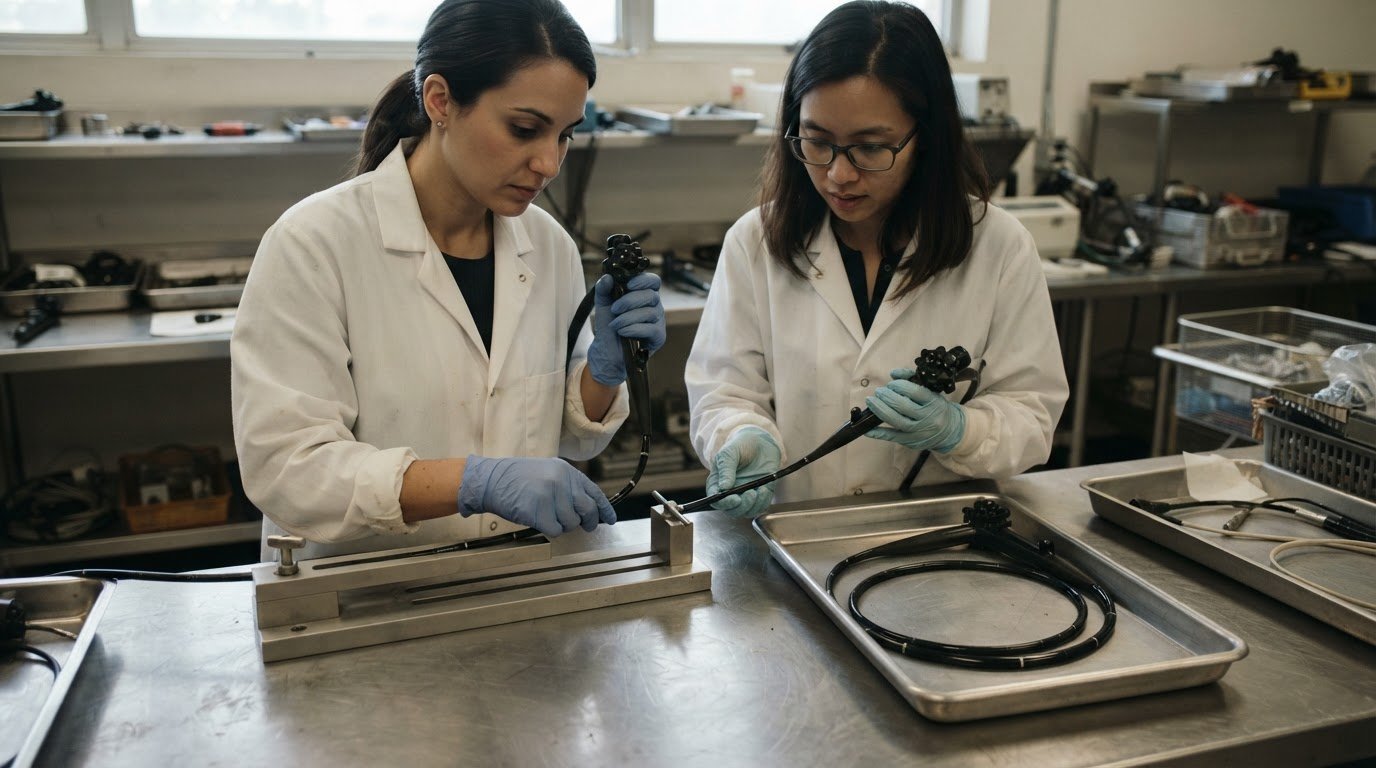
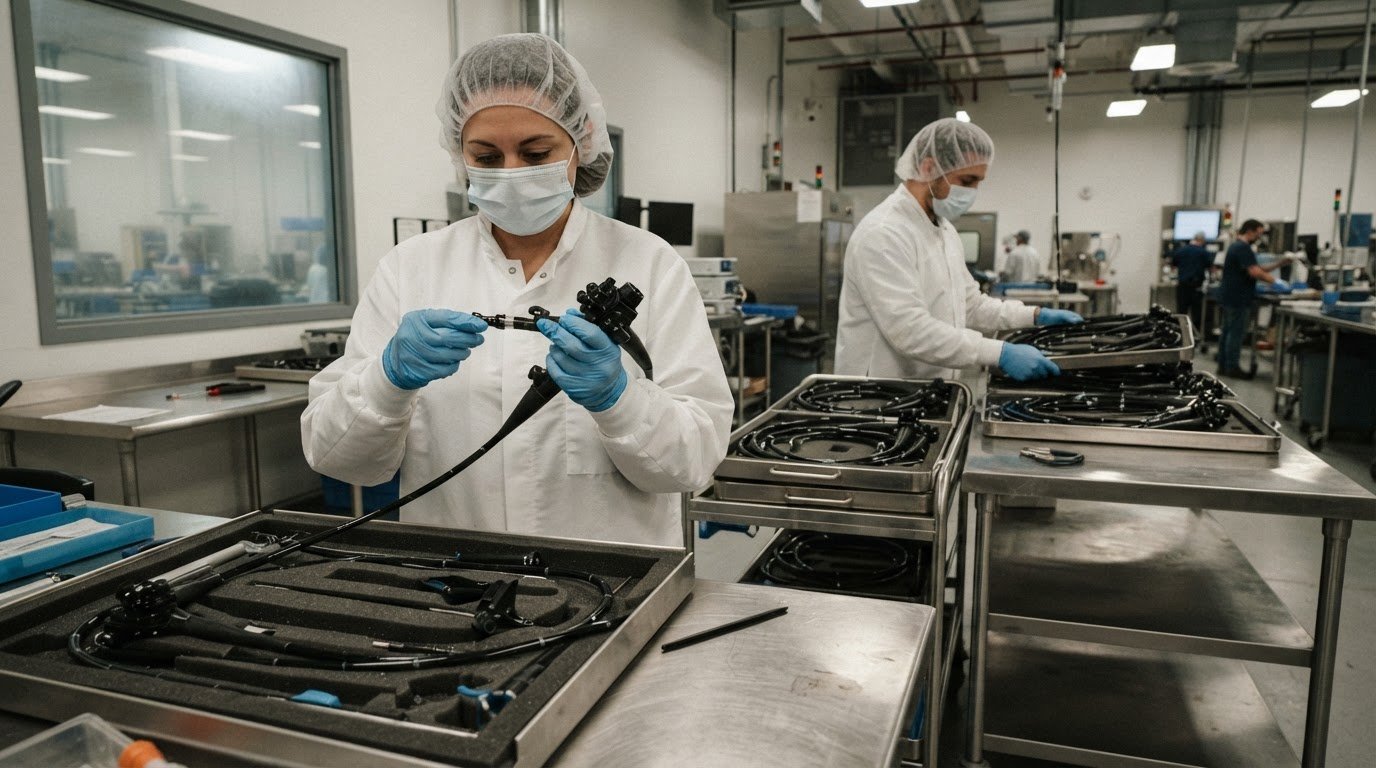
Fong’s Engineering & Manufacturing Private Limited provides full-lifecycle CDMO and OEM capabilities, along with Micro-precision Components and Endoscope Repair & Refurbishment. These services can support medical device development, manufacturing, and reusable endoscope needs.
Share your program requirements with Fong’s Engineering & Manufacturing Private Limited to discuss a potential fit.
Make your next partnership decision with purpose
Recognizing signs you have outgrown your CDMO partner begins a deliberate decision, not an immediate instruction to exit. Before changing course, define what the next stage must enable: the product requirements, manufacturing capabilities, and governance model your team needs. Use those priorities to guide a remediation or transition decision that supports long-term product development.
A concise decision brief can help align technical, quality, regulatory, and leadership teams. State the issue, its effect on the program, the outcome required, and the evidence that will show whether the partnership can meet it. This gives internal stakeholders a shared basis for action and makes the next conversation more focused.
Fong’s Engineering & Manufacturing Private Limited can discuss your medical-device manufacturing requirements and potential next steps. Contact Fong’s Engineering & Manufacturing Private Limited to begin a conversation about your program. A clear decision today can help your team move forward with greater alignment and purpose.
Frequently Asked Questions
How do CDMO capacity constraints affect a sponsor’s growth and timelines?
Capacity constraints can limit your ability to increase output, add production campaigns, or coordinate engineering work with manufacturing. A delayed production window may also affect inventory planning and downstream customer commitments. For example, if higher demand requires more frequent runs, competition for shared equipment can constrain the schedule. Connect capacity assumptions to demand forecasts and identify how changes could affect production sequencing and growth plans.
When should a company switch CDMOs during clinical or commercial manufacturing?
Consider switching when persistent quality, capability, or supply risks outweigh the technical and operational demands of a transfer. During clinical manufacturing, coordinate any change with upcoming study supply needs and the receiving site’s readiness. During commercial manufacturing, consider production continuity, inventory, and the time needed to establish consistent output. Base the decision on a documented assessment of both options, not a calendar milestone alone.
What should sponsors compare when evaluating a new CDMO partner?
Compare the candidate’s experience with products and processes relevant to your program and its ability to support the next development stage. Case studies can show how a CDMO has handled comparable technical challenges and transitions between stages. Assess whether its manufacturing approach can scale while preserving quality and supply continuity. Relate each capability to a defined program requirement rather than relying on broad claims of expertise.
How can sponsors assess CDMO communication, transparency, and problem-solving?
Assess performance using actual issue records, decision histories, and documented resolutions. For a delayed test, for example, look for a clear explanation of its impact, evidence supporting the proposed response, and the decision needed from your team. Check whether follow-up records close the loop and capture lessons for future work. A consistent, traceable problem-solving process offers more useful evidence than polished routine status updates.