A minimally invasive device can be technically sound on paper and still be difficult to manufacture repeatably. Precision components, material choices, assembly, and validation must work together, not as disconnected steps. Effective minimally invasive device contract manufacturing connects these decisions early, shaping the design into a controlled production process.
The right manufacturing capabilities matter because they influence how a device is designed, built, assembled, and evaluated. This article explains how engineering, process selection, component production, assembly, testing, and validation contribute to manufacturability, and what to assess in a full-lifecycle partner.
Fong’s Engineering brings 40 years of medical device manufacturing experience to CDMO and OEM projects. Its capabilities include precision machining, laser processing, injection molding, cleanroom assembly, product testing, and validation. The following sections explain how these capabilities apply to endoscopy devices, stents, guide wires, minimally invasive surgery tools, and robotic surgical adapters, and how connected engineering and production activities can turn complex designs into production-ready devices.
Key Takeaways
- Assess manufacturability early by connecting design requirements with process selection, assembly, and validation.
- Match precision machining, laser processing, molding, and cleanroom assembly to the device’s actual requirements.
- Use the device family comparison to identify relevant engineering priorities, rather than assuming one process fits every product.
- Evaluate a partner’s lifecycle scope, process fit, quality systems, validation capabilities, and production readiness.
- Minimally invasive device contract manufacturing can coordinate engineering and production activities across a product’s development pathway.
Why minimally invasive device contract manufacturing demands precision from the start
Minimally invasive devices often combine compact components, close-fitting interfaces, and multiple parts within a limited assembly. These design features affect more than fabrication. They shape how parts are handled, aligned, joined, inspected, and tested. Manufacturing planning needs to account for the relationships between components, not just whether each part can be made individually.
Working definition: Minimally invasive device contract manufacturing is external development and production support that translates a less-invasive medical device’s design intent into defined manufacturing processes, coordinated assembly, and validation. The development element matters: process choices and production controls are considered alongside the design, rather than added only after the product is ready to build.
Production-only outsourcing generally starts with a defined product and manufacturing package. A development and manufacturing relationship can also include engineering, prototyping, and process planning as the design is refined. This connects design decisions with how the device will be built and evaluated, helping teams address manufacturability before production begins.
Which devices fall within minimally invasive manufacturing?
Relevant product categories include endoscopy devices, minimally invasive surgery tools, stents, guide wires, robotic surgical adapters, and suction irrigators. These varied architectures do not follow a single manufacturing template. For background on the procedures and instruments involved, see this overview of minimally invasive procedures.
Each architecture raises different engineering questions. A guide wire has different form and assembly needs from a multi-part endoscopy device or a robotic surgical adapter. The device’s components, interfaces, and intended assembly determine which manufacturing and inspection considerations apply. A process suited to one design should not be assumed to suit another.
Why manufacturing decisions affect product readiness
Component dimensions and interface requirements influence how parts fit together and how assembly steps are planned. When several components must align, their specifications need to be considered as a system. Teams can assess whether the proposed process can produce the required features consistently and whether the assembly method can manage those features without avoidable variation.
Testing also depends on design and process decisions. Product requirements inform what needs to be inspected or tested, while the assembly design affects access to components and interfaces during those activities. Connecting these considerations early helps define practical production and verification checkpoints. It can also reveal when a feature may be difficult to assemble or evaluate, while there is still time to refine the design.
Manufacturability should inform design decisions before production begins. Engineering teams can review component geometry, interfaces, assembly sequence, and test needs together, then refine the design and process plan. This is the central discipline of minimally invasive device contract manufacturing: preserving design intent while aligning process capability and validation planning from the outset.
How precision processes support minimally invasive device manufacturing
Process selection starts with the part’s geometry, material, interface requirements, and role in the device. A method suited to a machined component may not fit a molded housing or an assembly that requires laser joining. For minimally invasive device contract manufacturing, engineering and production teams match each operation to the design, then connect those operations to assembly and verification. Not every device needs every process.
Process selection should follow the device’s design requirements, so each manufacturing method supports the intended geometry, material, assembly sequence, and validation plan.
Precision machining and laser processing for device components
Different component features call for different approaches. Fong’s machining capabilities include 2-axis and 5-axis CNC milling, auto-lathe, turn-mill, and wire-cut EDM. Depending on the part geometry and design requirements, these processes can produce components with defined shapes, interfaces, or features. Base the process plan on the component’s engineering requirements, rather than assuming one machine type suits every part.
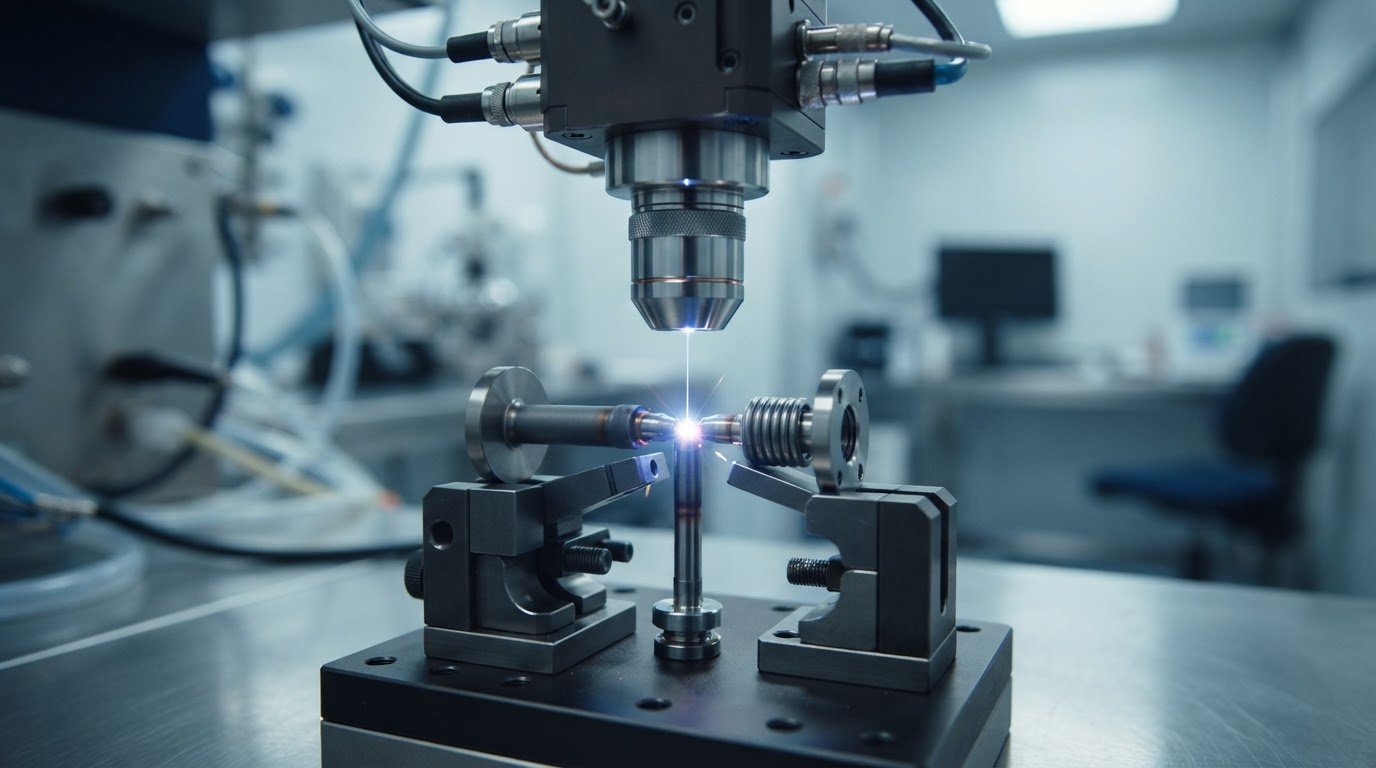
Laser processing provides additional options: laser cutting, welding, soldering, and marking. A design may require a feature cut into a component, parts joined together, or a mark applied. The required geometry and the function of each feature help guide process selection. The same principle applies to stents, guide wires, and other device components: assess the specific design before assigning a process. These examples describe possible process relationships, not a claim that every device uses the same method.
Molding, cleanroom assembly, and product validation
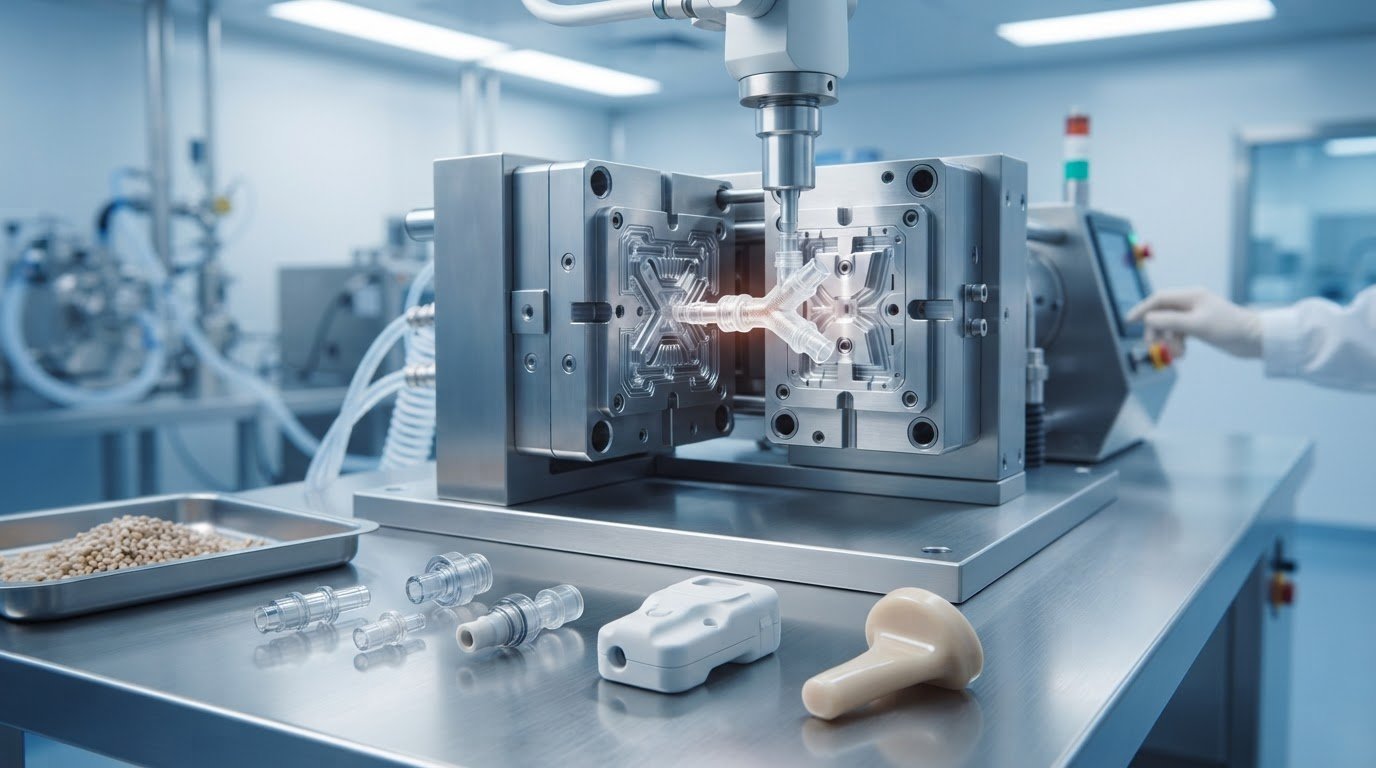
When a design includes plastic parts, injection molding and plastic processing can be relevant. Metal injection molding and stamping provide additional process routes for suitable components. Selection depends on the part’s material and geometry, as well as how it connects to the rest of the device. Coordinating component production with assembly planning clarifies how parts will be brought together and evaluated.
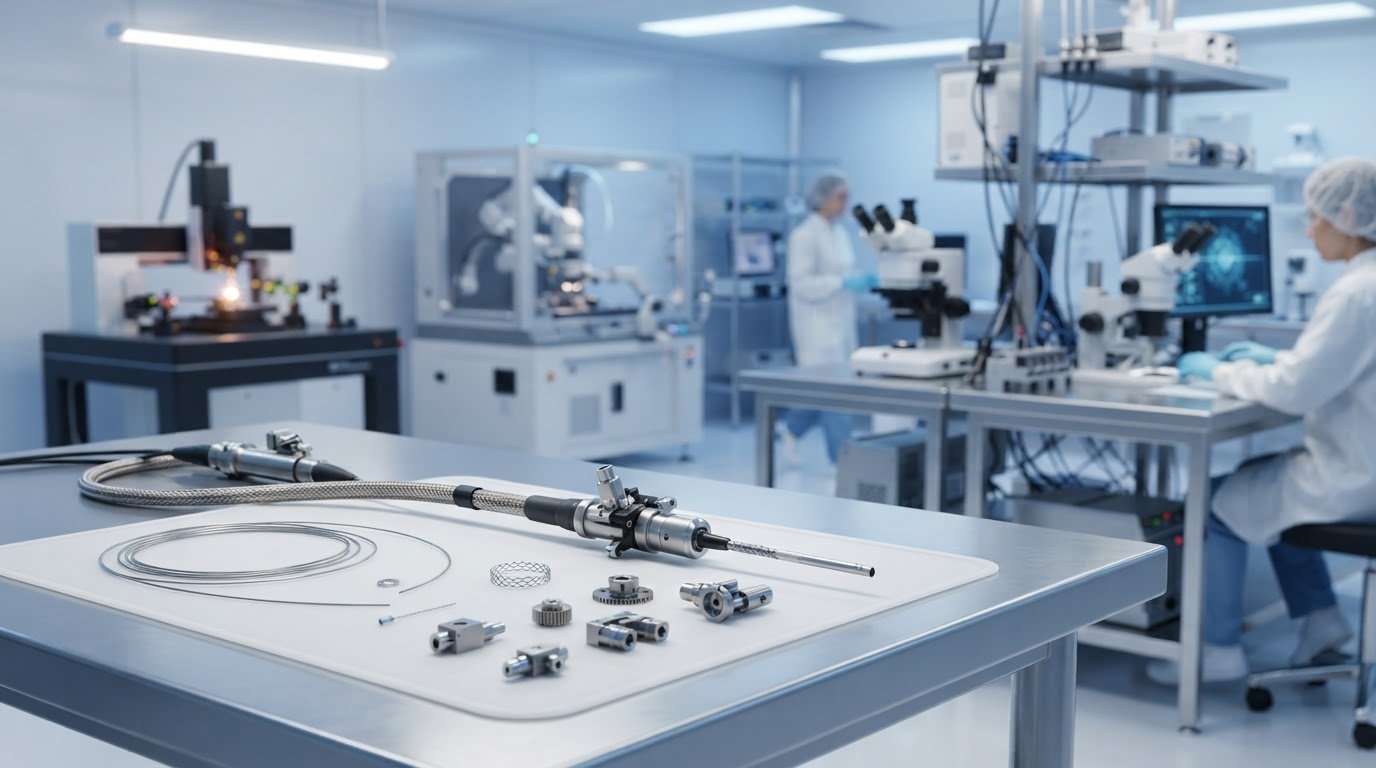
Fong’s Engineering’s Class 8 cleanroom facilities support assembly of disposable and reusable devices. Cleanroom assembly is one element of the manufacturing plan, and its use depends on the product and its assembly requirements. Product testing is defined around the device’s established requirements and manufacturing process, providing a structured way to assess the built product.
Process validation provides documented evidence that manufacturing equipment and processes are set up and operate as intended. IQ/OQ/PQ activities address installation, operational, and performance qualification within a validation plan. They do not, by themselves, represent regulatory approval or market authorization. Quality-system planning also matters: the FDA’s FDA Quality Management System Regulation describes the U.S. medical-device quality management framework. Fong’s ISO 13485-certified quality systems support controlled manufacturing and validation activities. To discuss process fit for a project, contact Fong’s Engineering.
Matching minimally invasive device families to manufacturing approaches
Device categories are a useful starting point for manufacturing planning, but they do not prescribe a standard process route. An endoscope, a stent, and a robotic surgical adapter have different architectures and assembly demands. In minimally invasive device contract manufacturing, the product’s design and validation requirements determine which capabilities are relevant and how they connect.
| Device family | Relevant engineering focus | Applicable documented processes |
|---|---|---|
| Reusable and disposable endoscopy devices | Product architecture, component interfaces, assembly sequence, inspection, and validation requirements. | Complex device assembly, Class 8 cleanroom assembly, product testing, and validation, as appropriate to the device. |
| Stents and intervention guide wires | Product-specific material specifications, component geometry, interfaces, and requirements for evaluating the finished device. | Micro-precision component manufacturing and laser processing, including documented laser-cut implant capabilities, where aligned with design requirements. |
| Robotic surgical adapters | How components fit together and how the adapter’s assembly requirements are defined and assessed. | Complex device assembly, component manufacturing, product testing, and validation, selected for the product design. |
Use the table as a planning guide, not a fixed process specification. It identifies areas to examine; it does not mean every device in a family uses the same materials, manufacturing method, or assembly sequence. Those decisions depend on the product’s engineering requirements.
Endoscopy and laparoscopic device manufacturing
Reusable and disposable endoscope manufacturing illustrates why device architecture matters. Teams need to consider how the product is assembled, which inspection steps suit its design, and how validation relates to the defined manufacturing process. Fong’s Class 8 cleanroom facilities support assembly of both disposable and reusable devices. Laparoscopic applications are also among the industries served, but that does not make every laparoscopic device identical in structure or process needs.
Stents, guide wires, and robotic-assisted components
Stents and intervention guide wires are distinct product categories, each with its own design and material specifications. Fong’s capabilities include laser-cut implants and micro-precision components, which can be matched to a product’s requirements. Robotic surgical adapters have a different emphasis: their assembly needs and component interfaces inform how complex device assembly and subsequent evaluation are planned.
For any product family, process selection should follow the design documentation and validation requirements. Engineering teams can map each component and interface to the relevant manufacturing step, then define how assembly and testing will address the product’s established requirements. This keeps the comparison useful without treating a category label as a complete process plan.
What to assess in a minimally invasive device manufacturing partner
A useful assessment looks beyond a list of equipment. For minimally invasive device contract manufacturing, the key question is whether engineering, production processes, quality controls, and validation connect to the product’s specific requirements. Fong’s Engineering brings 40 years of medical device manufacturing experience and provides integrated CDMO and OEM support across the device lifecycle.
- Lifecycle scope. Consider whether development and production activities can be coordinated from design and prototyping through manufacturing and validation. Fong’s full-lifecycle OEM solutions connect these stages and include FDA submission support. This continuity keeps design decisions linked to the processes intended to produce and evaluate the device.
- Process fit. Match the product’s materials, geometry, interfaces, and assembly needs to relevant manufacturing capabilities. Fong’s processes include precision machining, laser processing, injection molding, cleanroom assembly, complex device assembly, and product testing. The important measure is not the number of processes available, but whether the selected processes fit the device design and form part of a defined production approach.
- Quality systems. Assess the quality framework supporting manufacturing activities. Fong’s ISO 13485 certification applies to its quality management system; it is not product clearance, approval, or certification. These are distinct matters. A quality-system credential describes the organization’s quality framework, not the regulatory status of a particular device.
- Validation and testing. Review how manufacturing processes and products are evaluated. Fong’s documented capabilities include product testing and IQ/OQ/PQ process validation. Validation planning should connect to the equipment and processes used, while product testing should address the device’s defined requirements. Together, these activities provide a structured basis for assessing process readiness, not a guarantee of regulatory authorization.
- Production readiness. Consider how the transition from development into production is planned, including assembly needs, process controls, testing, and validation. Fong’s manufacturing capabilities include Class 8 cleanroom facilities for disposable and reusable device assembly, as well as integrated facilities for micro-precision components and complex device assembly. These capabilities support coordinated production planning; project requirements determine the appropriate configuration.
Connect design decisions with quality planning
Design for manufacturability is most useful when it links product requirements to process choices and validation planning, rather than treating production as a later handoff. Fong’s design, prototyping, manufacturing, and validation capabilities support that connection. A considered evaluation also distinguishes process evidence and quality-system certification from product-level regulatory decisions.
Use these criteria to structure a practical discussion around your device’s design, manufacturing route, testing needs, and lifecycle requirements. Discuss your device manufacturing requirements with Fong’s Engineering.
Fong’s full-lifecycle approach to minimally invasive device manufacturing
Minimally invasive device contract manufacturing requires engineering decisions to stay connected to production and validation as a design develops. Fong’s Engineering is an ISO 13485-certified CDMO and OEM partner with 40 years of medical device manufacturing experience. Its full-lifecycle support spans custom design, prototyping, manufacturing, validation, and FDA submission support.
This scope supports development of minimally invasive surgery tools, endoscopy devices, stents, and robotic surgical adapters. Each product brings its own design and production requirements, so lifecycle support is most useful when teams connect the intended design with the processes, assembly approach, and testing plan for that specific device.
From product concept to validated manufacturing
Development can begin with custom design and prototyping, creating opportunities to consider manufacturability as product requirements are refined. Fong’s in-house capabilities include precision engineering, micro-precision component manufacturing, complex device assembly, product testing, and validation. These capabilities connect design and development with later manufacturing activities, rather than treating production as a separate endpoint.
As a project progresses, the engineering team can align selected processes with component and assembly needs, then plan how the resulting product and manufacturing processes will be evaluated. Validation supports documented process assessment; product testing addresses defined product requirements. FDA submission support is also part of Fong’s full-lifecycle OEM solutions. It supports submission activities and does not mean a device has received FDA clearance or approval.
A manufacturing platform for complex medical devices
Integrated facilities support connected elements of production, including micro-precision components, laser-cut implants, and complex device assembly. These capabilities can apply across varied device architectures, but the design determines which are relevant. A stent project, for example, has different engineering considerations from an endoscopy device or a robotic surgical adapter. Process selection and validation planning remain specific to the product.
Fong’s broader medical device manufacturing capabilities include precision machining, laser processing, injection molding, cleanroom assembly, product testing, and ISO 13485-certified quality systems. Together, these capabilities provide a platform for coordinating development and production within a CDMO or OEM engagement. The manufacturing plan can be shaped around the device’s requirements, without assuming that every project uses the same facility or process combination.
For organizations evaluating a full-service medical device contract manufacturing relationship, consider how design, prototyping, component production, assembly, testing, and validation connect across the product lifecycle. Fong’s integrated capabilities and 40 years of experience support this development-to-production scope. To discuss a minimally invasive device project with Fong’s, contact the engineering team.
Move your device toward a manufacturable future
The next development decision can shape how a device moves from engineering into controlled production. Align design requirements, process choices, assembly planning, and validation around a clear path forward. That is the practical value of minimally invasive device contract manufacturing: connecting technical intent with the capabilities needed to build and assess the device.
Fong’s Engineering brings 40 years of medical device manufacturing experience as an ISO 13485-certified CDMO and OEM partner. Its integrated engineering, manufacturing, assembly, and validation capabilities provide a coordinated foundation for device development, while project requirements guide the specific approach.
Set out your device’s design priorities and development needs, then take the next step with a partner equipped to support the lifecycle. Explore your minimally invasive device project with Fong’s Engineering.
Frequently Asked Questions
What is minimally invasive device contract manufacturing?
Minimally invasive device contract manufacturing is an arrangement in which a medical device company works with an external partner on device development and production. Depending on project scope, support can extend from design and prototyping to manufacturing, assembly, testing, and validation. Unlike production-only work, engineering activities can inform how the device will be made and evaluated. The manufacturer remains responsible for its product and regulatory decisions.
Which devices are considered minimally invasive medical devices?
Examples include endoscopy devices, minimally invasive surgery tools, stents, intervention guide wires, robotic surgical adapters, and suction irrigators. These categories cover different product architectures, from individual components to complex assemblies. The device’s intended design and application determine which manufacturing considerations are relevant. An endoscopy device and a guide wire, for example, can require different component, assembly, and inspection planning, even though both fall within minimally invasive device development.
How does a CDMO support minimally invasive device development?
A CDMO contributes engineering and manufacturing expertise across development stages, helping a medical technology company connect product requirements with practical production planning. Support can include design, prototyping, process development, assembly, product testing, and validation. Fong’s Engineering also provides FDA submission support as part of its full-lifecycle OEM solutions. This support contributes to submission preparation; it does not mean a device has received FDA clearance or approval.
What manufacturing processes can be used for minimally invasive devices?
Applicable processes depend on the device design, materials, and component requirements. Documented options include 2-axis and 5-axis CNC milling, auto-lathe, turn-mill, wire-cut EDM, laser cutting, welding, soldering and marking, injection molding, plastic processing, metal injection molding, and stamping. Assembly and product testing can also be part of the manufacturing plan. A guide wire, implant, or endoscopy device will not necessarily use the same process combination.
Does ISO 13485 certification mean a medical device is FDA-approved?
No. ISO 13485 certification applies to an organization’s quality management system; it is not FDA approval or clearance for a particular device. Product authorization is separate and tied to the device and its applicable regulatory pathway. A manufacturer’s certified quality system can support controlled development and production, but it does not establish the regulatory status of every product it makes. Fong’s ISO 13485 certification should be understood in that organizational context.
Can one manufacturing partner support both reusable and disposable endoscopes?
Yes. Fong’s Engineering designs, validates, and manufactures both reusable and disposable endoscopes. A shared manufacturing partner can coordinate development and production while accounting for each product’s distinct design and assembly requirements. Testing and validation activities are defined around the specific device and manufacturing process. This capability concerns device development and manufacture, distinct from endoscope repair or reprocessing services.