Switching medical device contract manufacturers can preserve compliance when the transfer is managed as a controlled quality-system change, not simply a move in production. In the United States, FDA 21 CFR Part 820 establishes current good manufacturing practice requirements for medical device manufacturers selling devices, according to the U.S. Food and Drug Administration. The transition depends on qualifying the incoming supplier and keeping specifications, validation evidence, and regulatory records aligned.
Switching medical device contract manufacturers may be prompted by quality concerns, capacity needs, or a gap between production requirements and a supplier’s capabilities. The move also introduces new processes, responsibilities, and records to control. Plan these elements early to organize the transition and support continuity.
This article covers common reasons for switching, how to manage quality documentation and supplier notifications, and which contract manufacturing services can support a transition. It explains how technology transfer, validation, and production planning fit together, so you can assess the work before the handoff begins.
Key Takeaways
- Quality concerns, capacity demands, or a mismatch in production capabilities can prompt a manufacturer change. Define the reason for the transition before planning the transfer.
- Keep controlled specifications, validation evidence, and regulatory records aligned as production moves to the new supplier.
- Set clear responsibilities for supplier qualification, change approvals, and notifications so affected teams understand what changes and when.
- Assess which engineering, validation, assembly, and production capabilities the transition requires, then plan around the device and its manufacturing processes.
- Build the transition budget around its main cost drivers, including device complexity, materials, regulatory requirements, and production scale.
Why Switch Medical Device Contract Manufacturers?
A supplier change can address recurring quality issues, limited production capacity, or a gap in engineering capability. In the United States, FDA 21 CFR Part 820 establishes current good manufacturing practice requirements for medical device manufacturers selling devices, according to the U.S. Food and Drug Administration.
Engineering and Quality Capabilities
Assess a prospective supplier’s engineering expertise, quality management, production controls, and ability to scale the device’s manufacturing process. Engineering and quality capabilities are especially important when persistent quality issues or process limitations are driving the move.
Compare the supplier’s capabilities with the device’s requirements, including precision, production volume, and experience with the relevant device category. A transfer involving a mold, for example, calls for engineering and tooling capabilities; complex assembly requires controlled assembly processes. Review how the supplier documents process changes and addresses quality issues.
Quality and Regulatory Responsibilities
Regulatory and quality responsibilities depend on the device’s class and the roles assigned to each organization. Class I devices are generally lower risk and typically subject to general controls. Class II devices carry moderate risk and require more regulatory documentation, while Class III devices face intensive scrutiny.
For Class II devices in the United States, 510(k) submissions are a regulatory consideration, according to the U.S. Food and Drug Administration. The specification developer remains responsible for FDA compliance when seeking 510(k) clearance or PMA approval before marketing a medical device, according to the U.S. Food and Drug Administration. A contract manufacturer’s production role does not remove that responsibility.
Quality Agreements and Systems
A quality agreement documents how the manufacturer and supplier divide quality responsibilities for outsourced work. It should specify who handles incoming inspection, process validation, environmental monitoring, corrective and preventive action (CAPA), and complaint-handling support.
Define how the agreement covers audits, non-conformances, subcontractors, and regulatory support. Specify how a non-conformance is documented, communicated, and addressed, and which party approves a proposed manufacturing change. Clear assignments link each quality-system process to an accountable organization and its records.
Qualifications and Certifications
Manufacturer qualifications and certifications provide evidence about the supplier’s quality system, but their scope matters. Assess current ISO 13485 certification by reviewing which sites and activities it covers, when the last audit occurred, and when the certification expires.
Verify the issuing body’s credentials and compare the certified scope with the processes involved in the transfer. A certificate covering a different site or activity may not demonstrate that the relevant production work falls within its scope. FDA 21 CFR Part 820 provides the U.S. good manufacturing practice framework, so align supplier qualification evidence with the device’s applicable quality and regulatory responsibilities.
Before choosing a replacement, document the reason for the change and assess each candidate against the device’s engineering, quality, and regulatory needs. This helps establish whether a supplier can support the required processes and whether the agreement assigns responsibilities clearly.
How do you maintain compliance documentation during a supplier transition?
The main risks are supply disruption, gaps in records, and mismatches between approved specifications and transferred processes. According to the International Organization for Standardization, ISO 13485:2016 requires medical-device technology-transfer activities to be planned, controlled, and documented within a quality management system.
Production Transfer Planning
Production transfer planning coordinates the people, records, processes, and timing required to move manufacturing. Gaps between outgoing and incoming suppliers can interrupt supply or leave required activities incomplete. Map each operation to its owner, inputs, evidence, and completion criteria. Align the production timeline with validation and supply needs, rather than treating the first delivery as the only milestone.
Transition Risks and Mitigation
Transition risks include disruptions to supply, process control, or documentation during the handoff. Reduce them with a controlled transfer plan, named owners for open actions, and documented reviews of unresolved gaps. For example, compare the outgoing supplier’s process records with the incoming site’s procedures before production moves. This can reveal missing instructions, equipment differences, or validation work to address before routine output begins.
Build one controlled documentation set for the transferring product. Include current specifications and drawings, instructions for use, safety data sheets, and biocompatibility testing results. Identify each record’s revision and approval status, then link it to the relevant product and process. For regulatory continuity, map applicable 510(k) clearances, CE certificates, technical files, or PMA documentation to the manufacturing activities they support. A missing or outdated record should become a tracked gap, not an informal handoff note.
Set production scaling, lead-time expectations, and turnaround goals against defined transfer milestones. Regulatory-document verification should take place 60 days before the first delivery. Use that review to identify missing supplier records and unresolved regulatory-document differences while there is time to address them. Track milestones such as equipment readiness, process validation, staff training, and the first production run in a shared record. This gives quality, regulatory, and operations teams a consistent view of progress.
Connect production tracking with document control. Schedule reviews of output, open deviations, validation status, and upcoming decisions, and record an owner and due date for each action. Assess relevant product experience by matching the incoming supplier’s device-category expertise and processes to the product being transferred. Focus audits and document reviews on those processes, not broad capability claims.
For a transfer involving complex assembly, align process and documentation needs through a production transition discussion.
Supplier changes and notification requirements
A supplier change affects contracts, internal procedures, and supply-chain communication. Define who owns each notification and where approvals are required before the new supplier begins production.
Contracts and Liability
A supplier contract establishes production terms, quality standards, delivery terms, annual quantities, and pricing. Clear provisions matter because they assign responsibilities when product or process issues arise. The contract and any quality agreement should specify audit rights, audit frequency, non-conformance handling, and regulatory support. Finalize contracts and legal agreements 45 days before the first delivery, giving teams time to align obligations with the transfer plan.
Adding a Secondary Supplier
A secondary supplier is an additional qualified source for a device or manufacturing process. Adding one can strengthen supply-chain continuity, but the organization must qualify and control that source. ISO 13485:2016 clause 7.4 requires formal supplier qualification of a new CDMO. Assess the supplier’s relevant capabilities, quality controls, and communication practices, then document the approval rationale and scope of work.
Supplier Documentation Risks
Incomplete supplier documentation leaves gaps in evidence for product specifications, process controls, and regulatory requirements. Missing records can lead to regulatory citations, corrective action plans, or restrictions on product use. If records remain incomplete after the transition, request the missing documents from the supplier and document each attempt. Notify relevant departments, consider suspending product use, and record corrective measures to keep the response traceable.
Oversight and Purchasing Controls
Supplier oversight combines qualification, monitoring, audits, and purchasing controls. Under 21 CFR 820.50, OEMs validate and monitor outsourced manufacturing; 21 CFR 820.50(a) addresses evaluating suppliers, contractors, and consultants. Use a risk-based review to set oversight activities and record changes, audit findings, and follow-up actions. Update internal systems and procedures 30 days before the first delivery so purchasing and quality records reflect the approved supplier.
Notify purchasing, clinical staff, quality assurance, and risk management. Assign an owner to each communication and record its completion. Change control should explain how proposed manufacturing changes are communicated and when customer approval is required. This creates a consistent decision-making route instead of relying on informal emails or individual knowledge.
Track these obligations in the transition record alongside supplier approval, contract status, and open documentation gaps. For example, link a revised drawing to its change approval and the procedures that use it. This helps teams distinguish the current controlled specification from superseded documents throughout the supplier change.
Medical device contract manufacturing services
Contract manufacturing can cover specific production tasks or a broader development-to-production scope. For a transfer, identify which capabilities need to move together. A project may include design and development, prototyping, validation, and full-scale production. A manufacturing partner with a suitable scope can coordinate the handoff between development records, production processes, and the finished device.
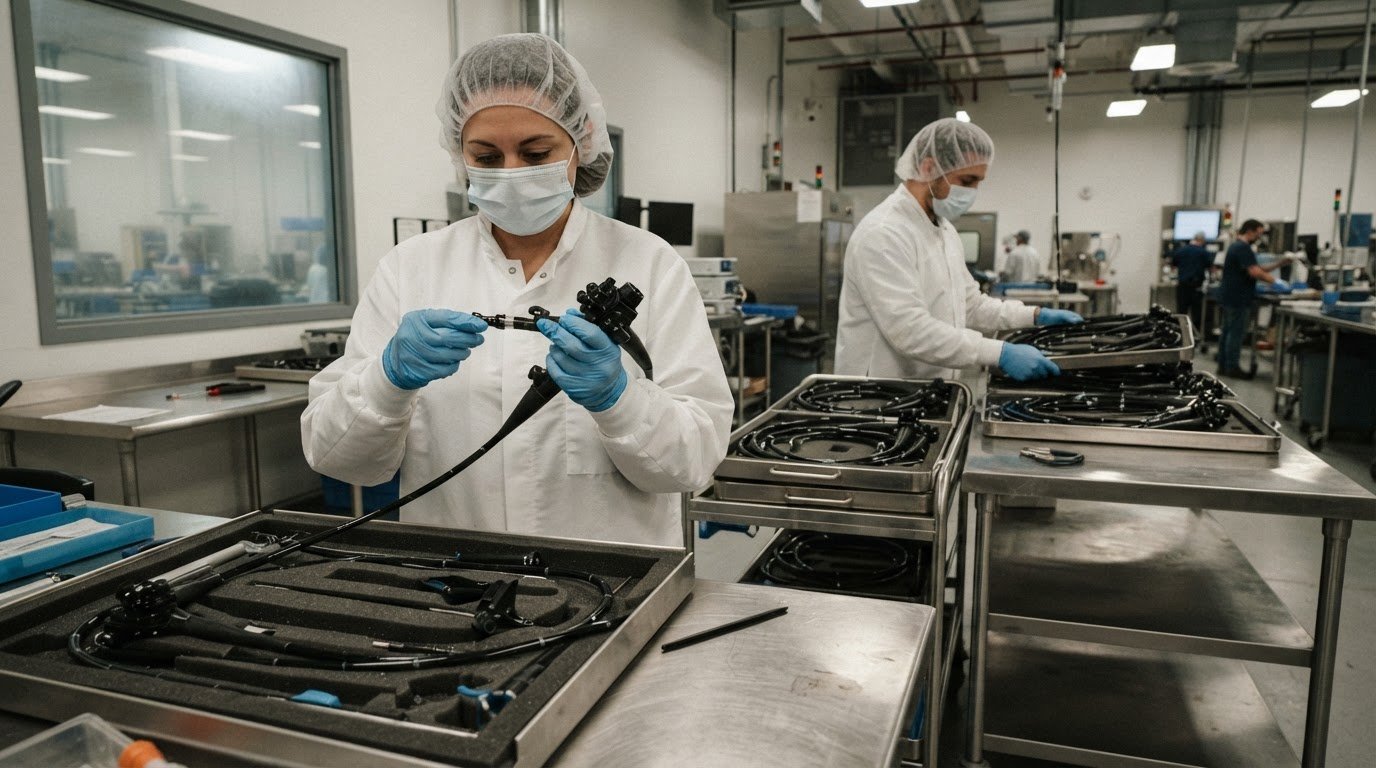
CDMO services can support product development and manufacturing, while complex device assembly focuses on bringing components together under controlled production instructions. The right scope depends on what is changing. A company transferring an established product may need production and process transfer; a product still in development may also require prototyping or design support. Define the work by device requirements, not a broad service label.
Technology transfer may involve several distinct validation activities. Depending on the manufacturing process, these may include equipment qualification, analytical method validation, software validation, packaging validation, and sterilisation validation. Manage each applicable activity as a separate workstream, with defined inputs, evidence, and acceptance criteria. This clarifies which processes are production-ready and which need further development or testing.
- Development: Translate design inputs into production-ready components and processes.
- Prototyping: Build and assess prototypes before committing to full-scale production.
- Validation: Generate evidence that transferred processes perform as intended.
- Assembly and production: Establish controlled instructions for repeatable device assembly and output.
Production readiness depends on the device and its supporting evidence, not a single milestone. A product may be ready for contract manufacturing when its design is finalized, initial prototypes are validated, and production volume estimates are established. If these elements are still changing, account for ongoing development in the manufacturing plan. If they are stable, focus planning on process transfer, production capacity, and release activities.
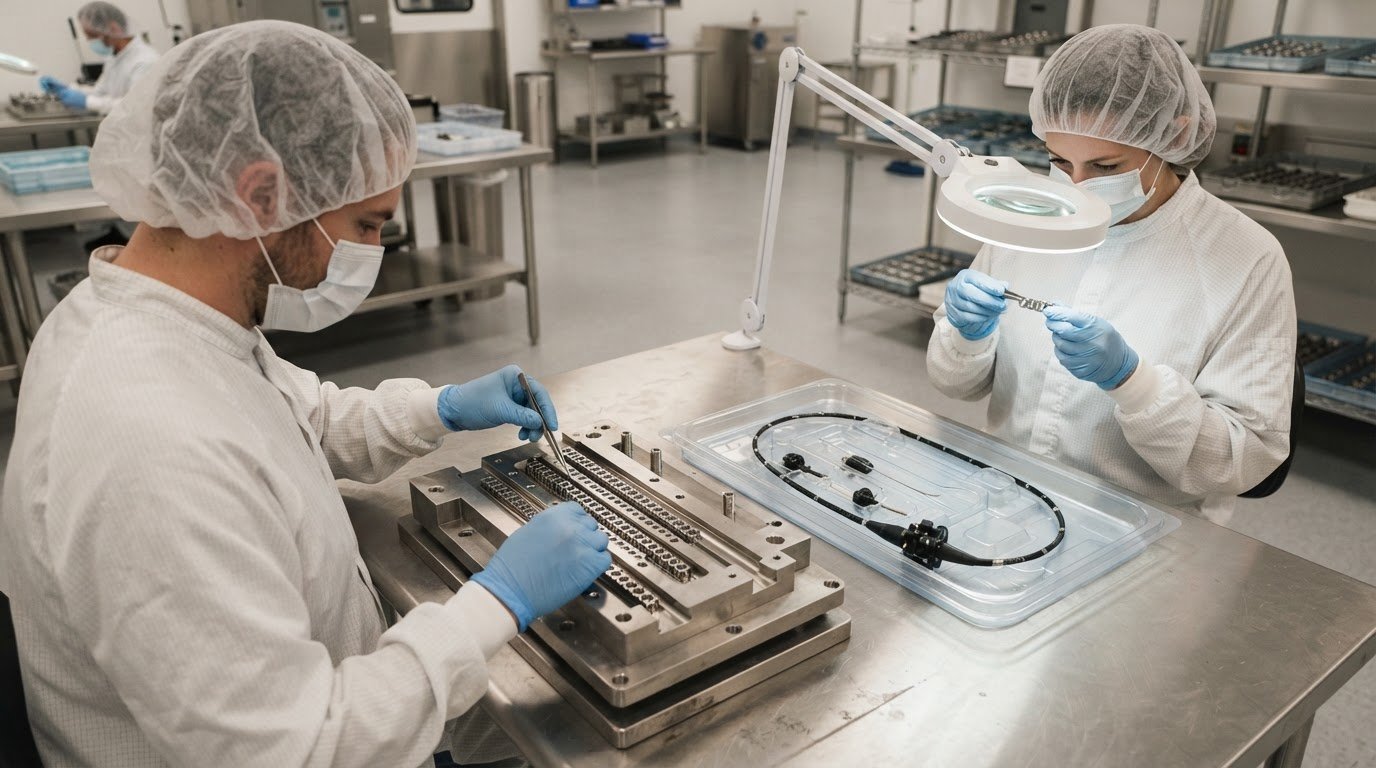
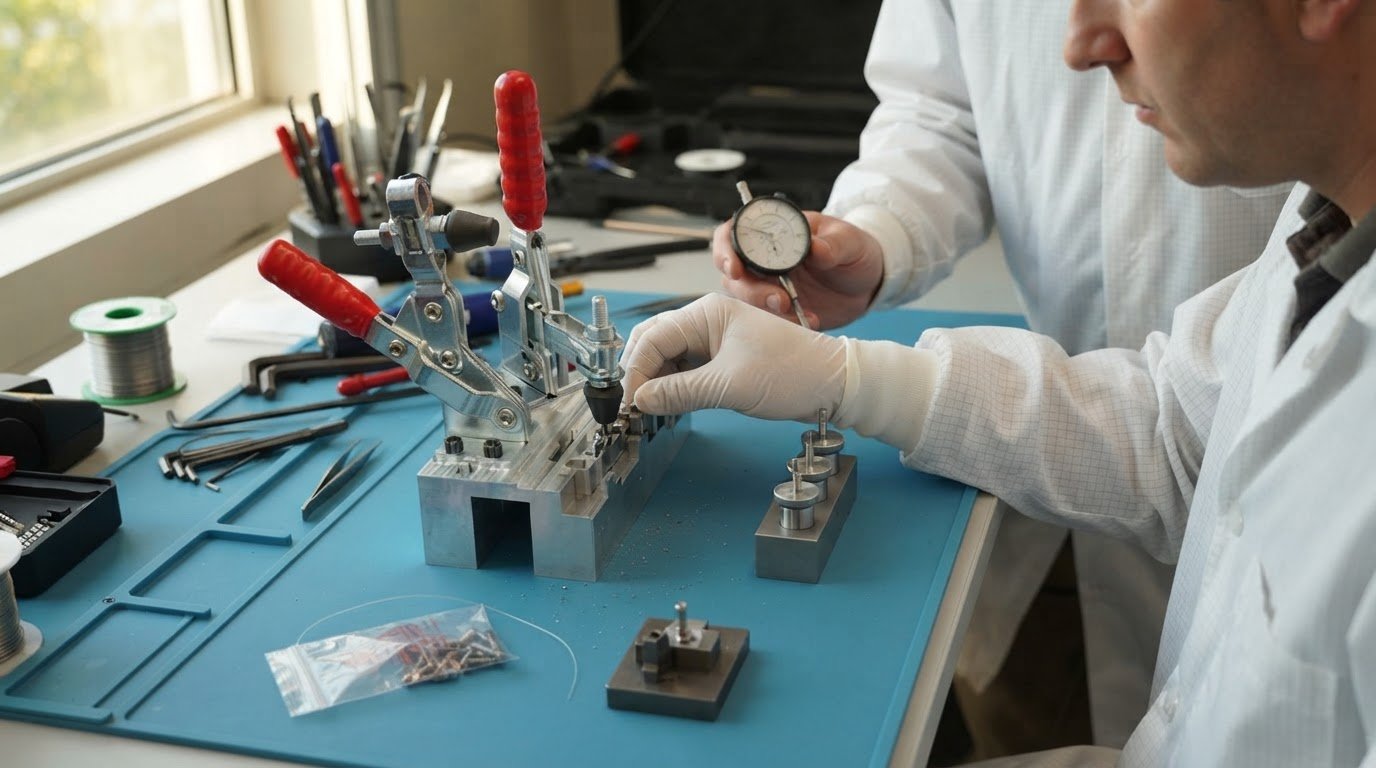
A transfer involving a mold, for example, may require tooling inspection and preparation before it moves. A project consolidating several operations also needs a manufacturing partner able to coordinate those processes and provide suitable assembly options. In either case, map the existing process, equipment, and documentation against the incoming production setup to identify gaps before they become obstacles.
Medical device contract manufacturing projects can take anywhere from several months to several years, depending on scope and complexity. Device complexity, validation needs, materials, and production scale shape the work involved. Define service boundaries early: identify what the manufacturing partner owns, what remains with the device company, and what evidence completes each transfer activity.
What does it cost to switch medical device contract manufacturers?
Costs depend on the work required to transfer the device, processes, and production responsibilities. A useful estimate separates one-time transition work from recurring manufacturing costs, allowing each to be assessed against its own cost drivers.
Contract manufacturers may base production bids on labor, tooling, and materials. Device complexity, regulatory requirements, and production scale also affect manufacturing costs. A complex assembly, for example, may need different labor planning than a product with fewer manufacturing steps. Material specifications and expected output shape the production model, while regulatory work can add documentation and validation to the transition scope.
One-time transfer costs cover the work needed to establish production at the incoming site. This may include engineering, tooling preparation, process transfer, and applicable validation. A mold may need inspection and preparation before production; software, molding, or complex milling can also require substantial setup. List these activities separately from ongoing unit production and tie each to a defined output, such as approved tooling or completed process-validation evidence.
Documentation gaps can increase transition work. If specifications, process records, or validation evidence need correction or completion, account for that effort in the plan. Map the existing manufacturing process against the incoming setup, recording differences in equipment, tooling, instructions, and testing needs. This makes the estimate more useful by linking planned work to specific process changes instead of treating the transfer as one undifferentiated cost.
Supply strategy also affects costs. Running old and new production arrangements in parallel may require separate planning for labor, materials, and inventory. A phased transfer can spread work across milestones, while a consolidated handoff may concentrate activities into a shorter period. The right approach depends on product requirements, available records, and the production scale needed at each stage.
Pricing depends on the project and is provided after a quote request. Key factors include device complexity, materials, regulatory requirements, and production scale. For a clear scope, separate labor, tooling, materials, validation, and process-development work. Identify assumptions, exclusions, and the evidence expected for each deliverable so teams can compare the work being priced, not just a headline production figure.
Prepare the current specifications, tooling information, process documentation, and expected production volumes before defining the transfer scope. For a project that includes complex device assembly, discuss your assembly requirements as part of the transition planning.
Fong’s Engineering & Manufacturing Private Limited: CDMO Services
Fong’s Engineering & Manufacturing Private Limited provides CDMO Services for medical device development and production transitions. Consider this support when a transfer needs coordinated engineering, validation, and manufacturing planning, not production capacity alone. Its end-to-end services span concept design, prototyping, validation, large-scale production, and regulatory support.
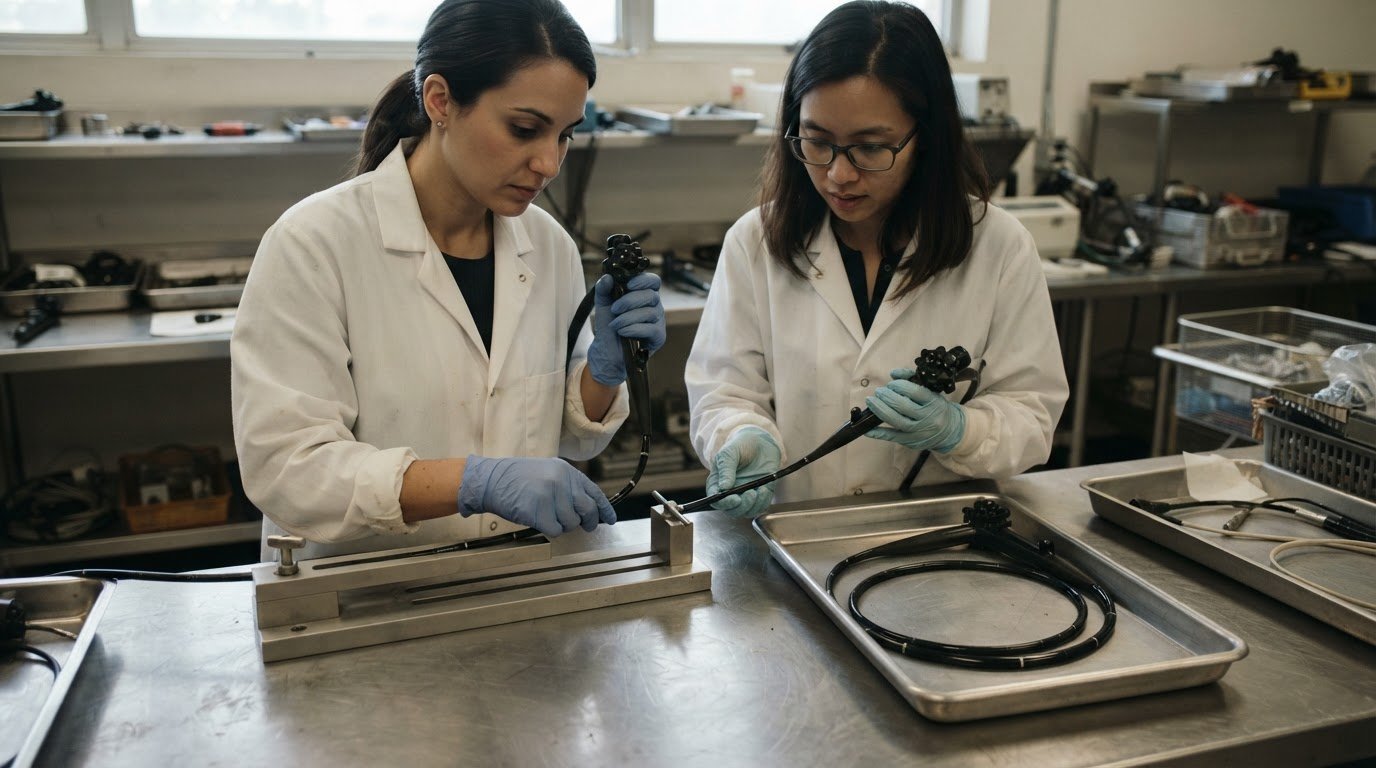
OEM Solutions supports the manufacture of complete medical devices under a client’s brand. Micro-precision Components and Endoscope Repair & Refurbishment serve distinct manufacturing and equipment needs. For a transition, define the activities and records the incoming partner must support, then align the project scope with those requirements.
To discuss a medical device manufacturing transition, contact Fong’s Engineering & Manufacturing Private Limited.
Set the Next Transition Decision in Motion
Turn the supplier decision into an owned transition brief. Bring quality, regulatory, engineering, and operations stakeholders together to agree on scope, decision rights, and readiness criteria. A shared brief gives each team a common reference as the project moves from supplier selection to implementation.
For teams switching medical device contract manufacturers, this alignment helps make the transition easier to govern. Define which decisions need formal approval, how to escalate unresolved issues, and what evidence demonstrates readiness to proceed. These controls keep execution focused as responsibilities move between organizations.
Fong’s Engineering & Manufacturing Private Limited can discuss how its manufacturing capabilities relate to your project’s needs. Contact Fong’s Engineering & Manufacturing Private Limited to start a conversation about your transition requirements.
A clear next step gives your teams a shared basis for coordinated action and continued progress.
Fong’s Engineering & Manufacturing Private Limited for Medical Device Manufacturing
Fong’s Engineering & Manufacturing Private Limited offers end-to-end services from concept design, prototyping, and validation to large-scale production and regulatory support, including FDA and ISO 13485 compliance.
If you are switching medical device contract manufacturers, consider its CDMO Services, OEM Solutions, Complex Device Assembly, Micro-precision Components, or Endoscope Repair & Refurbishment based on your needs. The company manufactures complete medical devices under a client’s brand name using ISO 13485 certified processes.
Frequently Asked Questions
How can I protect my intellectual property with a manufacturing partner?
Define intellectual property rights and permitted uses in the manufacturing agreement. Specify ownership of existing designs, modifications, tooling, and process documentation, as well as controls for disclosure to subcontractors. For example, limit design-file access to personnel working on the device and define how files and tooling are handled when the relationship ends. Align these terms with quality and engineering workflows so information controls are part of daily operations.
Are They Compliant With All Industry Standards?
No single set of standards applies identically to every device and market. Assess the supplier’s quality system against the requirements relevant to your product, manufacturing activities, and intended markets. Review whether certification covers the actual site and work involved, then compare it with audit records and controlled procedures. Document any gaps and assign actions before production responsibilities move.
Are They Financially Viable?
Assess whether the supplier can sustain the operational demands of the relationship. Consider its ability to support production capacity, maintain key processes, and manage the resources your product needs over time. A transfer relying on dedicated tooling or specialized materials, for example, needs continuity planning for those assets and inputs. Include financial stability in ongoing supplier oversight, alongside quality performance and manufacturing capability, rather than treating it as a one-time screening question.
Class I, II, III Devices: How Do QARA Responsibilities Change When You Outsource?
QARA responsibilities depend on device risk, regulatory pathway, and the roles assigned to each organization. Class I devices generally face lower risk controls, Class II devices involve additional regulatory documentation, and Class III devices receive intensive scrutiny. Outsourcing manufacturing doesn’t automatically transfer the specification developer’s FDA compliance responsibility. For a U.S. Class II device, 510(k) considerations may apply; define who owns regulatory records and approvals in the responsibility matrix.
How Do I Choose the Right Contract Manufacturing Partner?
Choose a partner whose technical scope and quality controls match your device’s production needs. Compare experience with similar device categories, engineering support, manufacturing processes, scalability, and communication practices. A device with precision components and complex assembly, for instance, needs a different capability review from a product requiring only a limited production operation. Consider how the working relationship will manage decisions, escalations, and controlled changes throughout the product lifecycle.
How does the contract manufacturing process work?
The process typically moves from defining product requirements through engineering, production planning, validation, and routine manufacturing. The sequence and deliverables depend on whether the device is in development or already in production. A new product may need prototype evaluation before production planning, while an established device needs a controlled transfer of current processes. Agree on acceptance criteria for each phase so teams know what evidence supports progress.
When should a medical device company switch contract manufacturers?
Consider a change when documented quality problems persist, production capacity no longer meets demand, or a supplier lacks capabilities needed for the device’s next stage. First assess the impact and whether a defined corrective plan addresses the cause. A transition becomes more compelling when the gap continues to affect quality, supply continuity, or product development and the existing partnership offers no credible path forward.
How to evaluate and compare medical device contract manufacturers in the US?
Compare suppliers against the same product scope, quality criteria, and manufacturing requirements. Review relevant site capabilities, quality-system evidence, and experience with comparable devices. For U.S. oversight, include the FDA warning-letter database and available Form 483 inspection observations in the assessment. Compare findings in context, then document how each supplier’s capabilities, regulatory support, communication, and production approach align with your product’s specific needs.