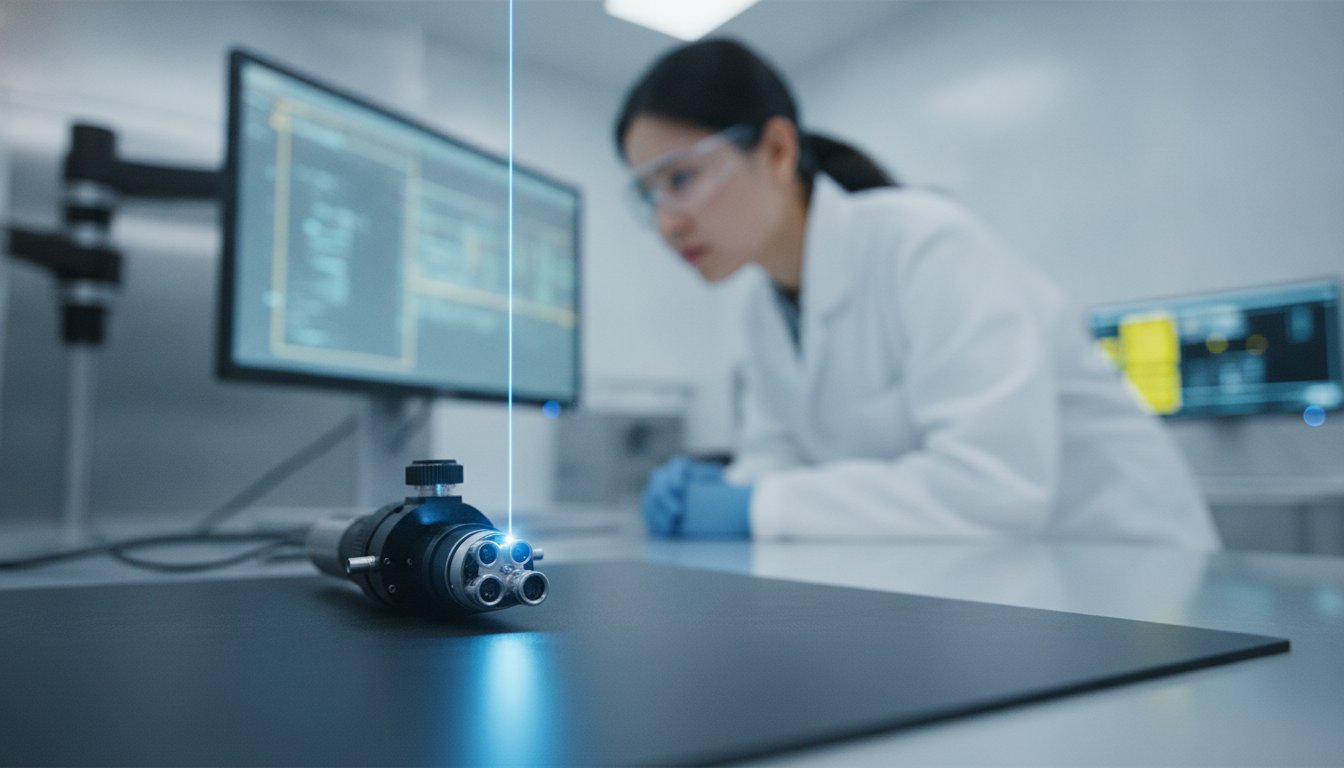
A standard repair might fix a visible symptom, but it rarely restores the underlying technical integrity of a complex surgical instrument. You recognize that maintaining a fleet of endoscopes is one of the most significant operational challenges in modern healthcare. The pressure to balance fiscal responsibility with uncompromising patient safety often feels like a difficult choice between high-priced OEM contracts and the variable quality of independent providers.
This is where professional endoscope repair and refurbishment moves beyond simple maintenance and into the realm of precision engineering. By applying CDMO-level rigor and strictly adhering to ISO 13485 standards, it’s possible to achieve a level of technical restoration that matches original performance specifications. In this article, we’ll examine how advanced laser technologies and disciplined manufacturing processes extend the lifespan of your most critical assets. We’ll also explore the latest FDA Quality Management System Regulation updates, effective as of February 2026, to ensure your facility remains compliant while optimizing the total cost of ownership for your surgical suite.
Key Takeaways
- Recognize the critical distinction between basic equipment servicing and manufacturing-grade restoration to ensure devices meet original performance specifications.
- Understand how ISO 13485 certification and the latest FDA regulatory updates provide a framework for a safe and compliant endoscope repair and refurbishment strategy.
- Discover the role of advanced laser processing in achieving the hermetic seals and durable markings necessary for long-term device reliability.
- Identify the key engineering criteria and validation protocols required to select a technical partner capable of extending the lifecycle of complex surgical assets.
The Strategic Importance of Endoscope Repair and Refurbishment
Modern surgical departments operate under intense financial scrutiny. The acquisition of high-precision diagnostic and therapeutic tools represents a significant portion of capital expenditure. As endoscope technology advances, the complexity and cost of these devices continue to climb. Simply purchasing new equipment whenever a failure occurs is no longer a viable strategy for sustainable healthcare management. Instead, healthcare executives are prioritizing technical restoration to maintain surgical throughput without compromising the standard of care.
Understanding the distinction between a standard fix and professional endoscope repair and refurbishment is essential for effective lifecycle management. While basic servicing might address a specific mechanical failure, comprehensive refurbishment involves a manufacturing-grade restoration of the device to its original performance specifications. This process doesn’t just patch a problem; it resets the equipment’s operational clock. By integrating ISO 13485 quality systems and advanced engineering, facilities ensure their instruments remain reliable through hundreds of sterilization cycles. This level of technical discipline is especially critical following the FDA Quality Management System Regulation (QMSR) update in February 2026, which further aligns domestic requirements with international standards.
Economic Benefits for Surgical Centres
- Instrument lifespans are extended by several years of active clinical use.
- The ROI on existing assets is maximized through rigorous engineering.
- Surgical schedules remain predictable due to reduced equipment downtime.
Environmental Impact of Device Refurbishment
Sustainability is becoming a core metric for institutional performance. Restoring reusable surgical tools directly supports the circular economy by keeping high-value materials in service longer. This approach significantly reduces medical waste and the carbon footprint associated with manufacturing new medical-grade components. Aligning equipment maintenance with green initiatives demonstrates a commitment to environmental stewardship. It proves that technical excellence and ecological responsibility can coexist in a high-stakes clinical environment. By choosing refurbishment, facilities actively participate in a more sustainable healthcare supply chain that values resource conservation as much as clinical precision.
Technical Restoration: Moving Beyond Basic Repairs
Refurbishment is a manufacturing-grade restoration process that goes far beyond the scope of a standard service call. While basic repairs often focus on restoring immediate function, professional endoscope repair and refurbishment aims to re-establish the device’s original performance profile. This requires a transition from a “fix-it” mindset to a rigorous engineering approach. A CDMO applies the same technical discipline to restoration as it does to new device assembly. This ensures every component, from the insertion tube to the distal end, meets strict biocompatibility and material integrity standards. Adhering to FDA reprocessing guidelines is the foundation of patient safety. Using medical-grade adhesives and autoclave-stable materials is non-negotiable for long-term reliability. Without these manufacturing standards, devices remain susceptible to premature failure after only a few sterilization cycles.
The Validation Framework: IQ, OQ, and PQ
Technical restoration relies on a structured validation framework that mirrors a primary manufacturing line. Installation Qualification (IQ) confirms that all repair equipment and specialized tooling are correctly commissioned within the facility. Operational Qualification (OQ) tests the device across its full range of motion and functional limits to ensure it doesn’t fail under stress. Finally, Performance Qualification (PQ) validates the refurbished endoscope in simulated surgical environments. This ensures the instrument performs consistently during actual clinical procedures. It resets the device’s technical baseline. This methodical approach provides the documented evidence required for ISO 13485 compliance and institutional trust.
Restoring to OEM Specifications
Restoring a device to its original equipment manufacturer (OEM) specifications requires precision machining capabilities that many third-party shops lack. For instance, achieving a hermetic seal is vital for preventing fluid invasion during reprocessing. Without leak-proof integrity, internal electronics and fiber optics will degrade rapidly. Validating optical clarity and distal end functionality involves measuring light output and image resolution against the original design benchmarks. Advanced laser soldering and micro-precision component replacement are often necessary to meet these exacting standards. If your facility requires a partner with this level of technical mastery, you can discuss your instrumentation needs with an engineering specialist to ensure your fleet maintains peak performance.
OEM vs. CDMO Refurbishment: A Comparative Analysis
A common misconception in the medical device industry is the existence of a “quality gap” between original equipment manufacturers (OEMs) and third-party service providers. While this concern is valid when considering low-tier repair shops, it doesn’t apply to a Contract Development and Manufacturing Organization (CDMO). A CDMO operates with the same technical depth as an OEM because they design, engineer, and assemble complex medical devices from the ground up. When you choose a CDMO for endoscope repair and refurbishment, you aren’t just hiring a technician; you’re engaging a manufacturing partner that understands the foundational physics of the instrument. This expertise ensures that every restoration meets the rigorous standards required for clinical use.
Regulatory equivalence is the cornerstone of this comparative analysis. A professional CDMO maintains strict adherence to FDA 510(k) and CE Mark standards, ensuring that any refurbished device remains compliant with its original cleared state. They use the same validation protocols as the original assembly line. This level of oversight provides institutional trust that a simple repair shop cannot match. It guarantees that the safety profile and intended use of the endoscope aren’t compromised during the restoration process. By utilizing a partner with documented ISO 13485 certification, healthcare facilities maintain a robust audit trail for every asset in their fleet.
Turnaround time is another critical differentiator. OEM service cycles are often slowed by administrative bureaucracy and centralized global depots. In contrast, an agile CDMO uses streamlined logistics and dedicated technical teams to reduce equipment downtime. This efficiency doesn’t come at the cost of quality. Instead, it’s the result of a vertically integrated workflow where engineering and repair happen under one roof. Reducing the time an instrument is out of service directly improves surgical throughput and prevents the need for expensive short-term rentals. Healthcare administrators evaluating the cost of endoscope repair vs replacement will find that a CDMO’s faster turnaround and manufacturing-grade quality significantly shift the total cost of ownership calculation in favor of professional refurbishment.
Technical Capability and Engineering Depth
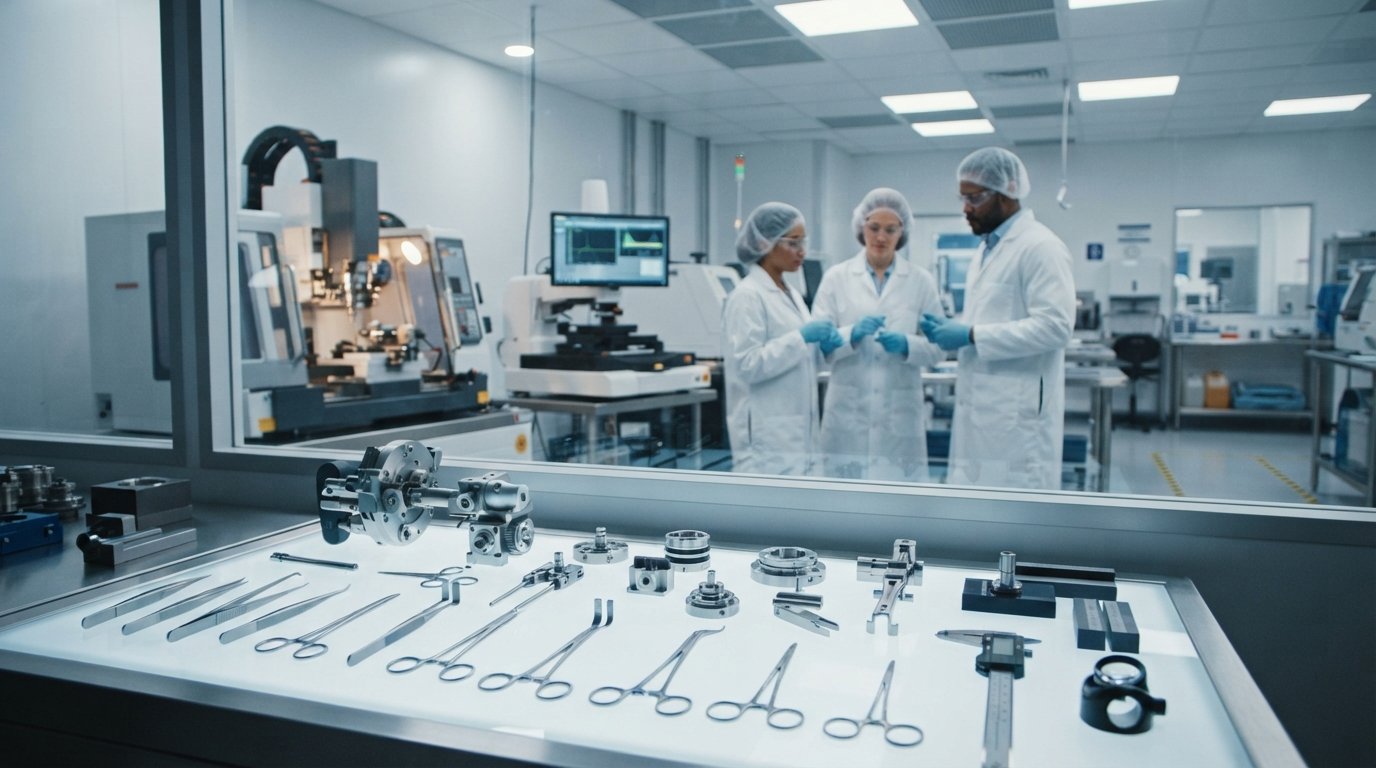
The advantage of a CDMO lies in its access to high-end manufacturing technologies. While a standard repair shop might rely on manual tools, a manufacturing-grade facility utilizes precision laser welding and CNC milling to restore components. These facilities often house in-house R&D and quality assurance labs for rigorous product testing. A partner that builds medical devices from scratch possesses a deep understanding of material science and electronics. They don’t just replace parts; they validate the performance of the entire system. This engineering depth allows for the restoration of delicate fiber optics and micro-electronics to a level that matches the original factory output. Facilities that want to understand how medical device design for manufacturability principles are applied from the earliest design stages will find that this same discipline is what separates manufacturing-grade refurbishment from basic repair work.
Supply Chain and Logistics Advantages
A global CDMO leverages extensive supply chain networks to source medical-grade components that meet exact specifications for micro-scale biocompatibility and material integrity. This global footprint is balanced by the strategic value of a dedicated US-based repair facility. Localized centers ensure faster shipping and more responsive communication for domestic healthcare providers. These streamlined workflows are designed to integrate seamlessly with hospital asset management systems. By combining global manufacturing intelligence with local service delivery, a CDMO provides a scalable solution for endoscope repair and refurbishment that supports both large hospital networks and specialized surgical centers.
Advanced Technologies in Endoscope Refurbishment
The technical integrity of a refurbished instrument depends entirely on the manufacturing hardware utilized during the restoration cycle. Professional endoscope repair and refurbishment has evolved from manual bench work into a sophisticated process driven by advanced laser systems and automated validation. These technologies allow a CDMO to restore devices to a state that is often indistinguishable from the original factory output. By utilizing ultrashort-pulse (USP) laser marking, technicians create high-contrast, permanent identification on stainless steel surfaces. Unlike traditional methods, USP lasers don’t damage the protective passive layer of the metal. This ensures the markings remain corrosion-resistant even after hundreds of high-pressure autoclave cycles. It’s a critical requirement for maintaining instrument traceability and patient safety in a high-volume surgical environment.
Precision is equally vital when addressing the internal electronics and fiber optics of an endoscope. Precision laser soldering provides a localized heat source that joins delicate components without risking thermal damage to surrounding sensors or light fibers. This level of control is impossible to achieve with standard soldering irons. Additionally, automated in-process testing now includes rigorous voltage, leak, and optical validation. These systems remove human error from the quality control phase. Every refurbished device must pass a series of documented tests to verify that image resolution and light transmission meet original design benchmarks. This data-driven approach ensures that every instrument returned to the field is technically sound and clinically reliable.
The Role of Laser Welding and Soldering
Laser welding provides the structural integrity required for complex surgical tool geometries. By employing 5-axis laser welding systems, engineers can create hermetic seals on the distal end and insertion tubes. These welds are essential for preventing fluid invasion, which is the leading cause of premature device failure. The process allows for the joining of dissimilar medical-grade materials while maintaining a smooth, biocompatible surface finish. This ensures that the instrument’s external surfaces don’t harbor bioburden or cause tissue trauma during use. It’s a manufacturing-grade solution that extends the operational life of expensive reusable devices.
Smart Manufacturing and Real-Time Monitoring
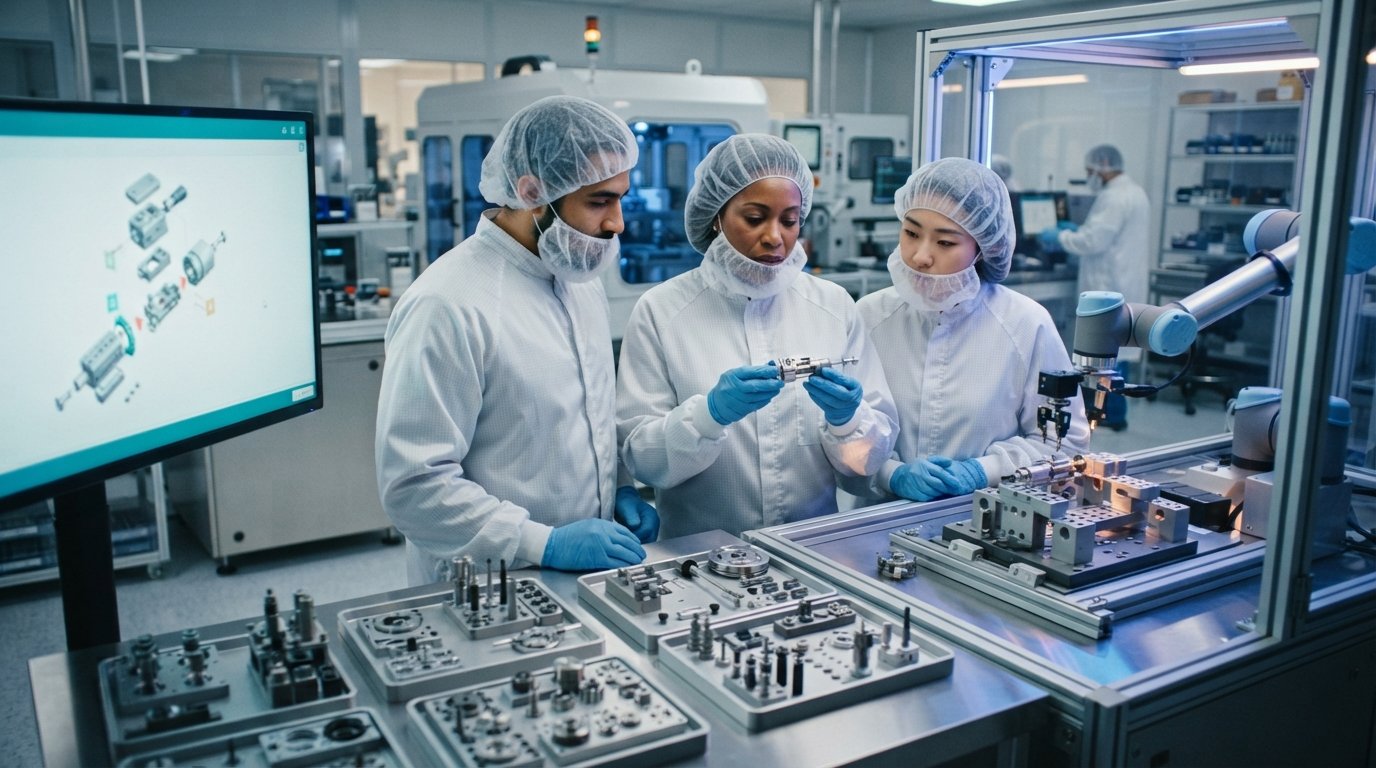
Integrating smart manufacturing into the service lifecycle allows for unprecedented consistency in equipment restoration. Robotic handling and unmanned inspection stations ensure that every step of the refurbishment process follows a repeatable, validated protocol. Digital dashboards provide real-time monitoring of each asset, tracking its progress through the engineering stages. This transparency allows surgical centers to manage their inventory with greater precision. Integrating this data into the quality management system ensures full compliance with ISO 13485 standards. If you’re ready to upgrade your equipment maintenance strategy with these advanced capabilities, contact our engineering team today to discuss a tailored restoration program.
Choosing the Right Partner for Endoscope Restoration
Selecting a partner for endoscope repair and refurbishment is a high-stakes decision that dictates the long-term reliability of your surgical fleet. Facilities must look beyond basic service contracts to evaluate a provider’s fundamental engineering pedigree. A qualified partner should demonstrate a deep understanding of the entire device lifecycle, from initial design to technical restoration. This expertise must span a diverse range of instrumentation, including gastroscopes, cystoscopes, and increasingly complex robotic adapters. Verification of ISO 13485 certification and FDA registration isn’t just a formality; it’s a prerequisite for ensuring patient safety and institutional compliance. Before finalizing a contract, initiating a technical audit of the provider’s facility is essential. This audit allows your clinical engineering team to verify that the repair processes align with the manufacturing standards your surgeons expect.
Checklist for Partner Evaluation
A rigorous evaluation process ensures that your chosen provider can maintain the technical baseline established during the original manufacturing process. You should confirm that the provider possesses the infrastructure necessary for medical-grade work. Consider the following criteria during your facility assessment:
- Does the provider utilize Class 8 cleanroom facilities for sensitive assembly and sealing processes?
- Can they demonstrate a documented Master Validation Plan for their restoration workflows?
- Are they capable of handling complex device assembly and secondary processes, such as laser marking and hermetic welding?
- Do they provide a transparent audit trail for every component replaced during the cycle?
The Fong’s Engineering Advantage
Fong’s (FSP Group) brings a unique perspective to the service sector by leveraging 40 years of experience in medical device contract manufacturing services. This background allows us to apply manufacturing-grade discipline to every instrument we restore. We provide unmatched precision through advanced laser-based technologies, ensuring that every weld and marking meets the highest industry standards. As a global partner, we’re dedicated to mastering medical device manufacturing compliance, providing you with the documentation and validation required for modern healthcare audits. Our US-based repair facility ensures that this global expertise is accessible with the logistical speed your facility demands. When you partner with Fong’s for Best-in-Class Refurbishment, you’re securing a legacy of technical excellence and a steady hand for your facility’s most critical assets.
Securing the Future of Your Surgical Instrumentation
Adopting a manufacturing-grade approach to endoscope repair and refurbishment transforms how healthcare facilities manage their most critical assets. By moving beyond basic servicing and embracing technical restoration, your organization ensures that every instrument meets its original performance specifications. This transition relies on the integration of advanced laser technologies and rigorous ISO 13485 quality systems to maintain patient safety and regulatory compliance in an evolving clinical landscape.
Fong’s provides the steady hand required for these complex maintenance cycles. With 40+ years of manufacturing expertise and a robust global CDMO infrastructure, we’re prepared to help you extend the lifespan of your reusable devices while reducing the total cost of ownership. Our commitment to technical excellence ensures that your equipment remains reliable through every surgical procedure. We invite you to Request a Technical Consultation for Endoscope Restoration to discuss how our engineering precision can support your facility’s operational goals. Together, we can ensure your surgical tools perform with the accuracy your patients deserve.
Frequently Asked Questions
What is the difference between endoscope repair and refurbishment?
Refurbishment is a comprehensive manufacturing-grade restoration process, whereas a standard repair typically addresses a specific functional failure. While a repair might replace a single damaged component, professional endoscope repair and refurbishment involves a complete technical overhaul. This process validates the entire device against its original performance benchmarks. It ensures every subsystem, from optics to hermetic seals, meets the same rigorous standards as a newly manufactured instrument.
Will refurbished endoscopes meet original OEM performance standards?
Refurbished endoscopes meet original OEM performance standards when the restoration is performed by a partner with a manufacturing pedigree. A Contract Development and Manufacturing Organization (CDMO) uses Installation, Operational, and Performance Qualification (IQ/OQ/PQ) protocols to verify technical integrity. This data-driven approach ensures that light transmission, image resolution, and mechanical tolerances are identical to the factory output. It provides surgeons with the same precision they expect from a new device.
How does ISO 13485 certification impact the quality of endoscope repairs?
ISO 13485 certification ensures that every step of the restoration process follows a documented and internationally recognized quality management system. This standard is critical for maintaining patient safety and meeting the FDA’s Quality Management System Regulation (QMSR) requirements effective as of February 2, 2026. It mandates rigorous validation, traceability of components, and continuous risk assessment. Without this certification, a provider cannot guarantee the consistent technical discipline required for high-stakes surgical instrumentation.
What types of endoscopes can be refurbished (Gastroscope, Cystoscope, Ureteroscope)?
Most high-value reusable instruments, including gastroscopes, cystoscopes, and ureteroscopes, are candidates for comprehensive technical restoration. Flexible endoscopes, which accounted for 62.4% of the repair market in 2025, require specialized expertise due to their complex internal channels and delicate fiber optics. Rigid endoscopes also benefit from refurbishment, particularly when restoring optical clarity and distal end hermeticity. For facilities managing these instruments, understanding the full scope of rigid endoscope repair services — from complex optical alignment to regulatory validation — is essential for maintaining compliance and clinical performance. A manufacturing partner evaluates each device’s structural integrity before initiating the restoration cycle.
How long does the typical endoscope refurbishment process take?
Turnaround times for technical restoration typically range from a few days to two weeks, depending on the complexity of the device and the extent of the restoration required. Agile CDMO providers often offer faster logistics than traditional OEMs by utilizing streamlined workflows and localized repair centers. Reducing this window is essential for maintaining surgical throughput and minimizing the need for expensive equipment rentals. Professional endoscope repair and refurbishment timelines are usually established following an initial technical inspection.
Does third-party refurbishment affect the regulatory compliance of my medical devices?
Third-party refurbishment does not negatively affect regulatory compliance as long as the provider adheres to the FDA’s distinction between “servicing” and “remanufacturing.” Professional restoration is classified as servicing when it returns a device to its original cleared specifications without changing its intended use. By maintaining an ISO 13485 certified quality system, the provider ensures that all documentation remains compliant with FDA 510(k) and CE Mark standards. This protects the facility’s audit trail.
What advanced technologies are used to ensure the autoclave stability of refurbished tools?
Advanced laser technologies, such as 5-axis laser welding and ultrashort-pulse (USP) laser marking, are used to ensure long-term autoclave stability. USP lasers create high-contrast identification that doesn’t damage the metal’s protective passive layer, preventing corrosion during high-pressure sterilization. Additionally, laser welding creates hermetic seals that withstand the thermal stresses of repeated reprocessing. These manufacturing-grade solutions prevent fluid invasion and mechanical degradation, extending the instrument’s operational lifespan in a clinical environment.
Can robotic surgical adapters and complex MIS tools also be refurbished?
Robotic surgical adapters and complex minimally invasive surgery (MIS) tools are increasingly being integrated into professional refurbishment programs. These sophisticated instruments require micro-precision component replacement and specialized electronics validation that only a manufacturing-grade facility can provide. Restoring these assets allows healthcare providers to manage the high costs associated with robotic surgery platforms. A partner with CDMO experience possesses the engineering depth required to validate the intricate mechanical interfaces and sensors found in these systems.